
Seeing your dog suddenly vomit can be scary, especially when you are unsure whether it is a minor stomach issue or a sign of something serious. Dogs vomit for many reasons, from eating too quickly to infections or underlying health problems. Understanding the difference between occasional vomiting and repeated vomiting is critical for every pet parent. Not every episode requires an emergency veterinary visit, but recognizing the underlying cause matters for your dog’s long-term health and comfort. While some incidents are harmless, certain symptoms demand immediate medical attention.
Featured Snippet Answer: Dogs vomit because their body is trying to remove something irritating from the stomach. Common causes include eating too fast, dietary changes, spoiled food, infections, parasites, allergies, and certain medical conditions.
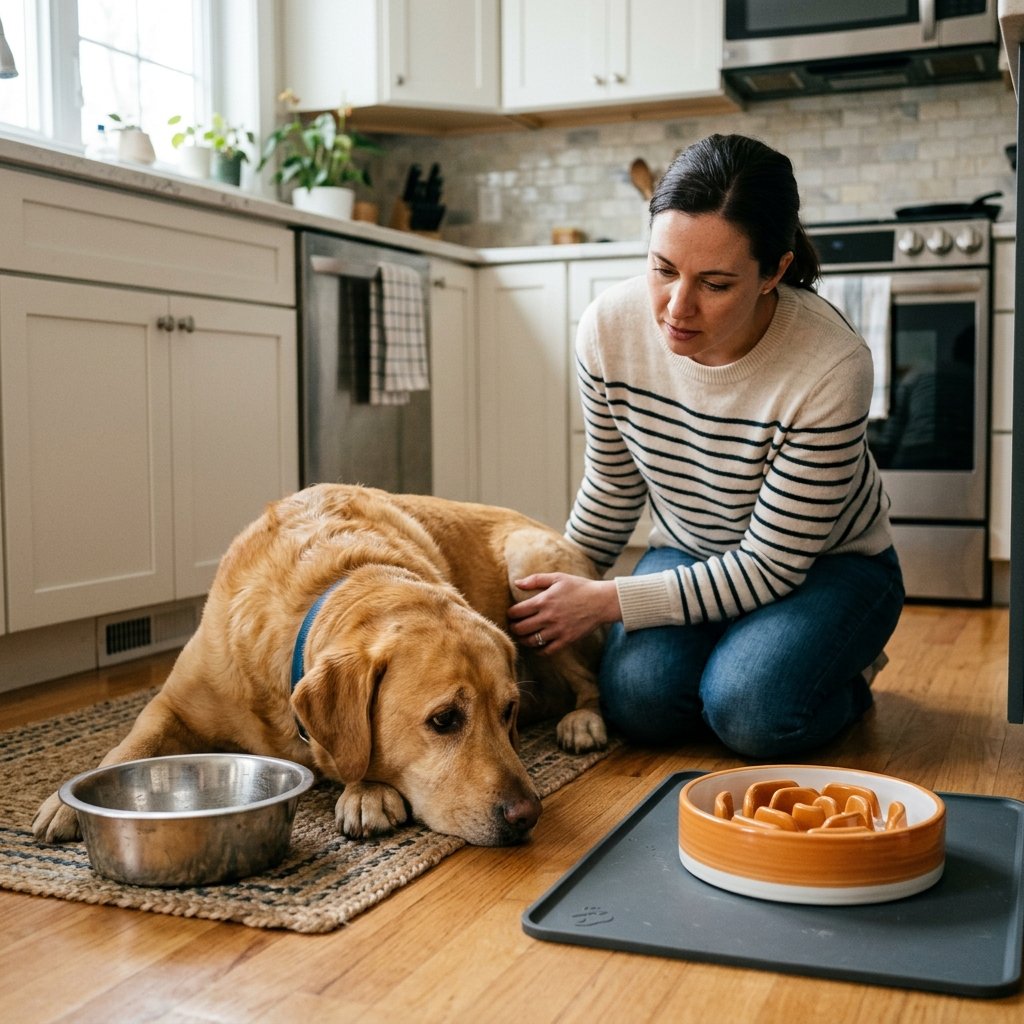
Is Vomiting Normal for Dogs?
Occasional Vomiting vs Frequent Vomiting
A single vomiting episode may happen due to everyday occurrences like eating too fast, eating grass, drinking too much water too quickly, or mild stomach upset. In these isolated instances, your dog will typically bounce right back to their normal, energetic self within a short time.
However, frequent vomiting is a completely different story. If your dog is vomiting multiple times a day or across several consecutive days, it may indicate underlying gastrointestinal problems, a systemic infection, food intolerance, or organ-related issues that require professional diagnosis and treatment.
Read More : Dog Not Eating? 7 Proven Reaasons & Simple Solutions That Work
Vomiting vs Regurgitation: What Is the Difference?
Understanding whether your dog is truly vomiting or simply regurgitating food helps your veterinarian pinpoint the problem much faster.
- Vomiting: This is an active process involving abdominal contractions and retching. The expelled material is usually partially digested food and often includes yellow or clear bile.
- Regurgitation: This is a passive process where food and liquid come back up effortlessly, usually shortly after eating, without any abdominal straining. The expelled food is typically undigested and often shaped like a tube from the esophagus.
Common Reasons Why Dogs Vomit
1. Eating Too Quickly
Many dogs—especially puppies and high-energy or food-motivated breeds—treat every meal like a race. Dogs that eat fast tend to swallow large amounts of air along with their food. This sudden expansion and air buildup can severely upset the stomach, leading to vomiting shortly after eating. You will often see undigested food and notice your dog repeatedly gulping. Transitioning to slow feeder bowls, offering smaller, more frequent meals, and establishing calm feeding routines can easily solve this issue.
2. Eating Something They Should Not
Dogs are naturally curious explorers who use their mouths to investigate the world. Unfortunately, this often leads them to consume items they shouldn’t. Common culprits include household trash, table scraps, children’s toys, splintered bones, houseplants, and spoiled food found outside. Foreign objects can cause dangerous intestinal blockages, while certain items are actively toxic to canines. Always keep dangerous foods far out of reach, including chocolate, grapes, raisins, onions, garlic, and products containing xylitol.
Read More : Why Is My Dog Coughing? 7 Important Causes and When to See a Vet
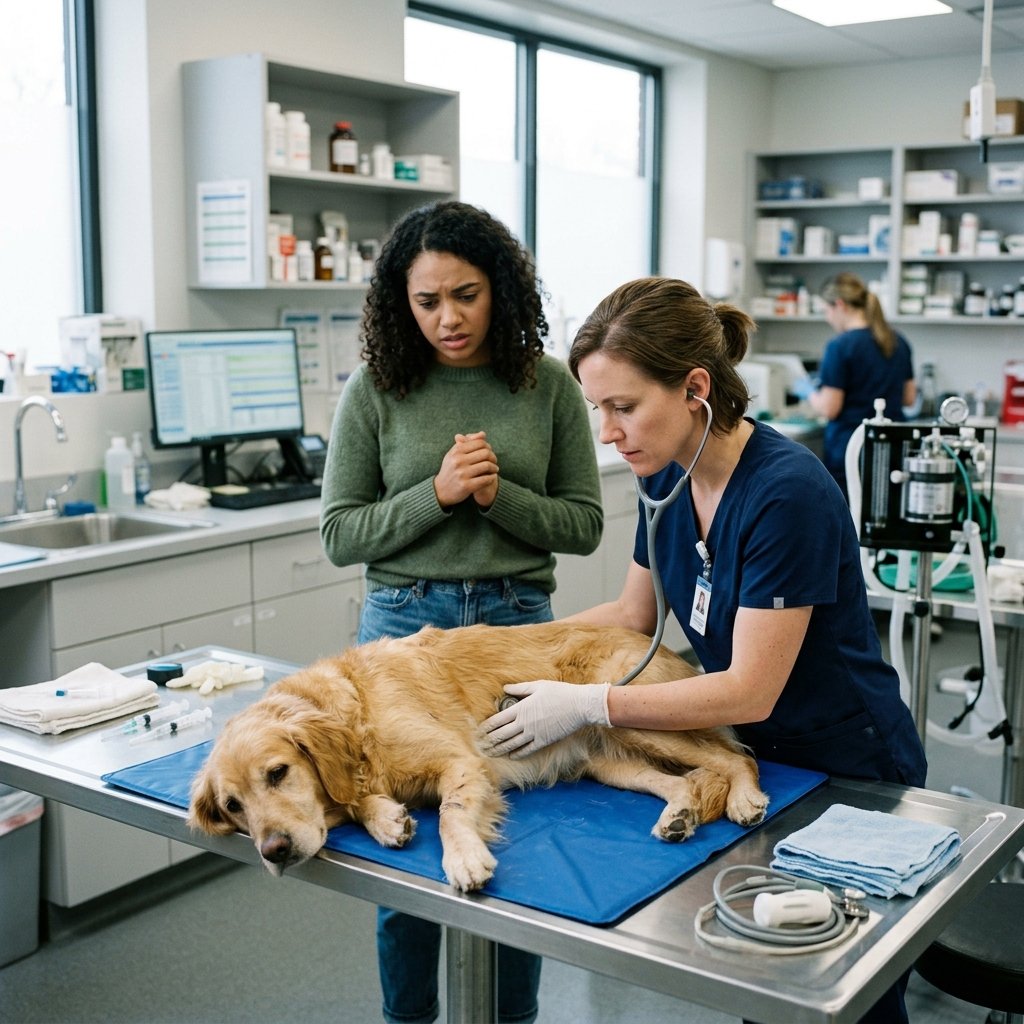
3. Sudden Food Changes
Canines have surprisingly sensitive digestive systems. Switching your dog’s food too quickly can shock their gut microbiome and cause acute vomiting. Whenever you transition to a new brand or formula, you should always do it gradually over the course of a week:
- Day 1–3: 75% old food + 25% new food
- Day 4–6: 50% old food + 50% new food
- Day 7+: Mostly new food
4. Eating Grass
Many dogs eat grass occasionally, and some will vomit shortly afterward. While this is a common, instinctual behavior often driven by boredom or a mild tummy ache, it is generally harmless in small amounts. However, you should worry if your dog starts eating grass obsessively or vomits repeatedly every time they graze, as it could point to a deeper gastrointestinal issue.
5. Food Allergies or Intolerances
Just like humans, dogs can develop adverse reactions to specific ingredients in their diet. Common food triggers include chicken, beef, dairy, and certain grains. Beyond vomiting, food allergies often manifest as chronic itching, skin problems, recurrent ear infections, and soft stools or diarrhea.
6. Parasites
Internal parasites are a frequent source of digestive distress in dogs. Common culprits like roundworms, hookworms, and microscopic protozoa such as Giardia can wreak havoc on a dog’s digestive tract. Symptoms usually include vomiting, unexplained weight loss, diarrhea, and a poor appetite despite normal eating habits.
7. Stomach Infections and Illness
Gastroenteritis, viral infections (such as parvovirus in puppies), and bacterial infections can cause sudden and severe bouts of vomiting. These illnesses are typically accompanied by other systemic symptoms, including watery diarrhea, fever, lethargy, and low energy.
8. Stress and Anxiety
Mental well-being plays a massive role in physical health. Dogs can experience stress and anxiety from moving to a new home, severe separation anxiety, car travel, the introduction of new pets, or loud noises like thunderstorms and fireworks. The strong connection between stress and digestion means anxious dogs frequently experience sour stomachs and subsequent vomiting.
9. Serious Health Conditions
Persistent vomiting can be a warning sign of severe internal medical conditions that require immediate veterinary evaluation. These include pancreatitis, chronic kidney disease, liver failure, diabetic complications, and life-threatening intestinal blockages (such as twisted stomachs or foreign body obstructions).

Different Types of Dog Vomit and What They Mean
Dog Vomiting White Foam
When a dog vomits white foam, it usually indicates an empty stomach mixed with saliva, acid buildup, or mild stomach irritation. While an occasional episode might not mean much, frequent foaming, especially if accompanied by breathing problems, weakness, or lethargy, warrants a call to the vet.
Yellow Vomit (Bile)
Yellow vomit is typically bright yellow or greenish-yellow bile produced by the liver to aid digestion. It usually happens when a dog’s stomach is completely empty. Common causes include long gaps between meals (such as overnight fasting) or low-grade stomach irritation.
Vomiting Undigested Food
If your dog vomits food that looks almost exactly like it did when they ate it, it is usually a sign of eating too fast, regurgitation due to an esophageal issue, or a mild digestive upset that prevented the stomach from beginning its breakdown process.
Blood in Dog Vomit
Finding red blood or material with a dark, coffee-ground appearance in your dog’s vomit is a serious red flag that requires immediate professional attention. This appearance indicates internal bleeding, severe stomach irritation, or bleeding ulcers in the gastrointestinal tract.
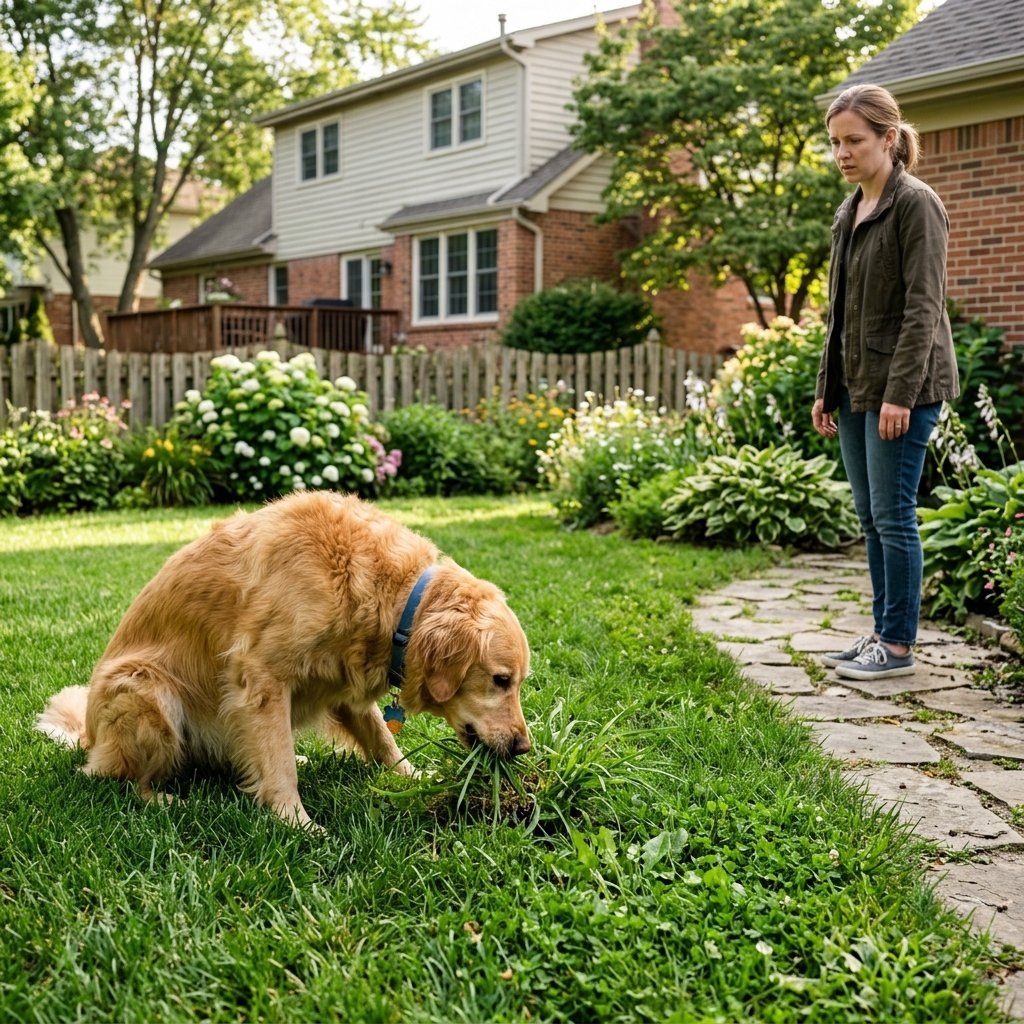
When Should You Be Worried About Your Dog Vomiting?
Signs Your Dog Needs a Vet
While a single episode of vomiting after eating too fast is usually nothing to panic about, you should seek veterinary care if your dog exhibits any of the following signs:
- Vomiting repeatedly over a short period
- Being unable to keep even small amounts of water down
- Vomiting blood or dark, coffee-ground material
- Showing signs of severe abdominal pain or discomfort
- Having a visibly bloated, hard stomach
- Experiencing extreme tiredness, lethargy, or weakness
- Sudden loss of appetite or refusal to eat
- Rapid weight loss over time
- Running a fever
- Having pale or tacky gums
Emergency Warning Signs
Certain situations require emergency veterinary intervention. Potential emergencies include repeated unproductive dry heaving combined with a bloated stomach (a sign of GDV or bloat), suspected poisoning or toxin ingestion, swallowing a sharp or linear foreign object, or sudden collapse. Quick action in these moments can save your dog’s life.
What to Do When Your Dog Vomits at Home
Safe First Steps
If your adult dog vomits once and otherwise acts completely normal, you can take a few gentle steps at home:
- Temporarily remove food for a few hours to let the stomach settle.
- Offer very small amounts of fresh water or ice chips to prevent dehydration.
- Monitor their behavior closely for any recurring symptoms.
- Keep a mental or written note of the frequency and appearance of the vomit.
What NOT to Do
When your dog is experiencing stomach trouble, avoid common mistakes:
- Never give your dog human medications (like ibuprofen or acetaminophen), as these can be toxic and cause fatal internal bleeding.
- Never force-feed your dog or rush them back into a full meal.
- Never ignore repeated or worsening vomiting episodes hoping they will clear up on their own.
How Veterinarians Diagnose Vomiting in Dogs
When you bring your vomiting dog to the clinic, your veterinarian will look for the root cause through a systematic diagnostic process. This may include:
- A thorough physical examination and detailed medical history review
- Blood tests to check organ function and rule out systemic illnesses
- X-rays or an abdominal ultrasound to check for blockages or foreign objects
- Stool testing to look for parasites
- Specialized food trials if a food allergy is suspected
Diagnosis heavily depends on your dog’s age, accompanying symptoms, frequency of the vomiting episodes, and overall medical history.
How to Prevent Vomiting in Dogs
Feed a Consistent Diet
Stick to a high-quality, consistent diet suited to your dog’s life stage. Avoid giving sudden food changes, and limit table scraps that can trigger digestive upset.
Prevent Access to Dangerous Items
Keep all household trash securely covered and locked away. Store toxic foods, cleaning supplies, and small objects safely out of your dog’s reach to eliminate accidental ingestion risks.
Slow Down Fast Eaters
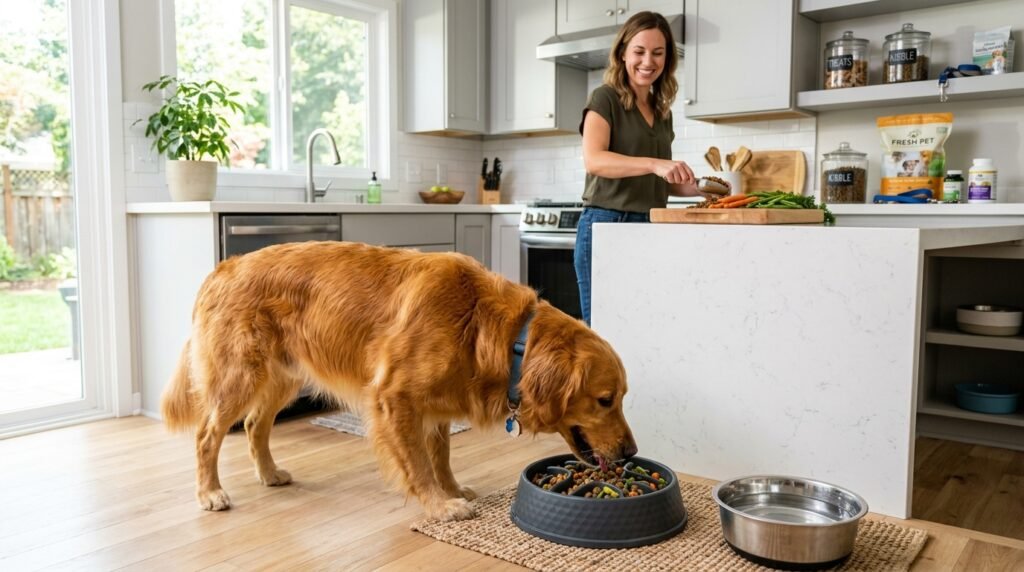
If your dog is a notorious scarf-and-barf eater, invest in a slow feeder bowl, scatter their kibble across a snuffle mat, or divide their daily food allowance into smaller, more frequent portions throughout the day.
Regular Vet Checkups
Routine wellness exams help maintain parasite prevention protocols, catch early signs of chronic illness, and ensure your dog’s digestive health remains in top condition.
Frequently Asked Questions (FAQ)
Q1: Why is my dog vomiting but acting normal?
Occasional vomiting may happen without serious illness, often due to minor dietary indiscretions like eating grass or gulping water. However, you should continue to monitor for repeated episodes or additional symptoms like lethargy or diarrhea.
Q2: Should I give my dog water after vomiting?
Yes, but in moderation. Offering small amounts of water or ice chips frequently is usually better than letting your dog gulp down a large bowl of water all at once, which can trigger another round of vomiting.
Q3: How many times is too many times for a dog to vomit?
A single isolated episode in a 24-hour period where the dog otherwise acts normally is usually not an emergency. However, multiple episodes within a single day or vomiting that persists for more than 24 hours should be discussed with a veterinarian immediately.
Q4: Why is my dog vomiting yellow liquid?
Yellow liquid is usually bile. This often happens when a dog’s stomach is empty for too long, such as early in the morning before breakfast, causing gastric acids to irritate the empty stomach lining.
Q5: Can anxiety make dogs vomit?
Yes. High levels of stress, anxiety, or excitement can negatively affect a dog’s digestive system, sometimes leading to stress-induced vomiting or loose stools.
Q6: Should I feed my dog after vomiting?
It depends entirely on the cause and frequency of the vomiting. Vets typically recommend withholding food for a brief fasting period (2 to 4 hours) followed by small portions of a bland diet, such as boiled chicken and plain white rice, if approved by your veterinarian.
Conclusion
Dogs vomit for many reasons, ranging from simple eating habits to complex medical conditions. One isolated episode is not always dangerous, but repeated vomiting, blood, weakness, pain, or other systemic symptoms require professional veterinary attention. Understanding your dog’s normal behavior helps you notice when something is wrong long before a minor issue becomes a major emergency.
“Your dog cannot tell you when something hurts, but paying attention to changes like vomiting can help you provide care before a small problem becomes a bigger one.”