
Picture this: you walk into the kitchen to refill your own glass, and you notice your dog’s water bowl is completely bone dry—again. Yesterday, you filled it to the brim, but today you are refilling it multiple times a day. Maybe your dog is lingering by the bowl long after they finish drinking, or perhaps they have started waking you up in the middle of the night, pacing toward the kitchen with a sudden, unquenchable thirst.
As a devoted dog owner, noticing a sudden shift in your pet’s daily routine can be worrying. Sometimes, an uptick in thirst is entirely normal. Hot summer weather, an extra-long game of fetch at the park, eating dry kibble, or a sudden burst of activity can easily cause your pup to lap up more water than usual.
However, excessive thirst can also be your dog’s way of telling you that something is going on beneath the surface. When increased drinking becomes a persistent pattern rather than a one-off reaction to heat, it may signal an underlying health issue. Understanding your dog’s baseline drinking habits is the absolute best way to catch these changes early. In this comprehensive guide, we will break down normal water intake, explore the harmless reasons behind extra sips, dive into the medical conditions that trigger excessive thirst, and help you know precisely when it is time to call your veterinarian.
How Much Water Should a Dog Drink Every Day?
Normal Water Intake for Dogs
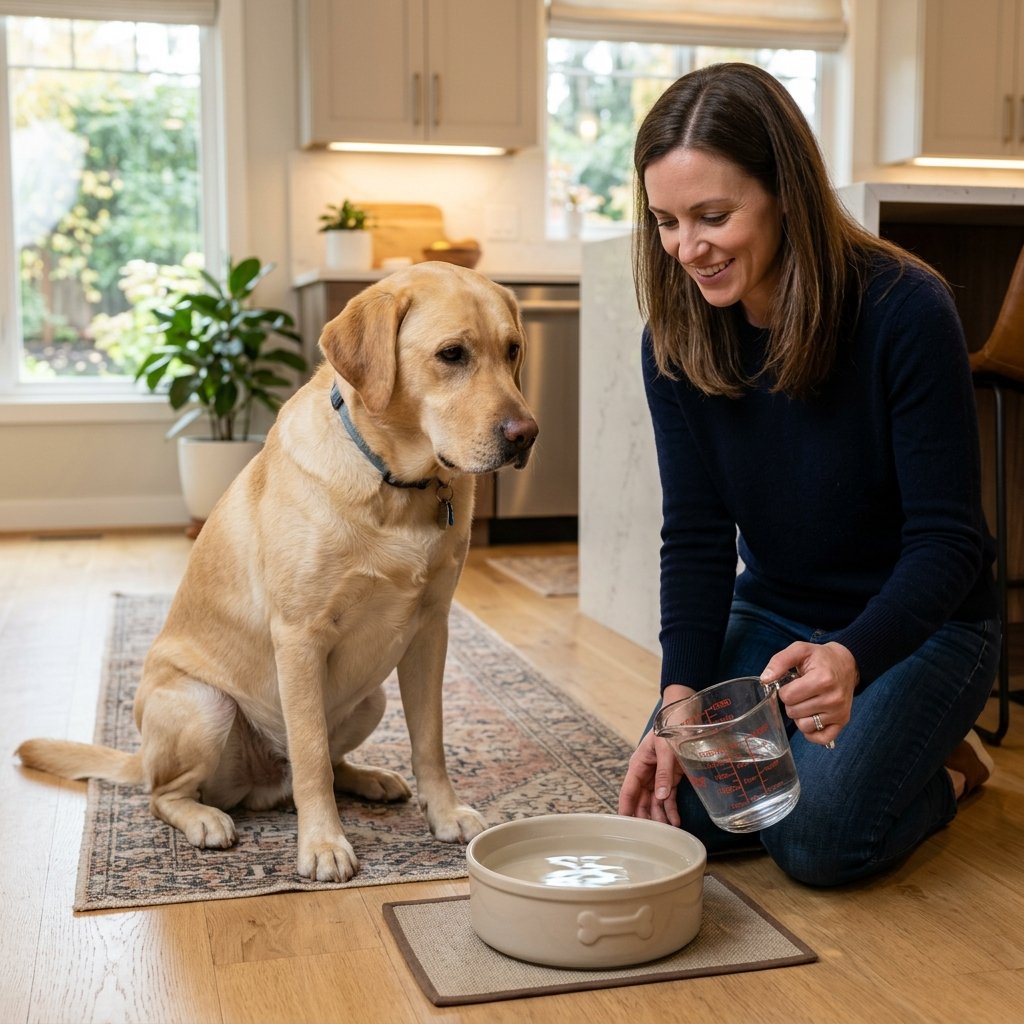
Before you can determine if your dog is drinking too much, you need to know what a healthy baseline looks like. As a general rule of thumb, healthy adult dogs typically drink around 1 ounce of water per pound of body weight daily.
To put this into perspective:
- A small 10-pound dog (like a Chihuahua or Maltese) should naturally consume roughly 10 ounces—a little over one standard measuring cup—of water per day.
- A medium 40-pound dog (like a Cocker Spaniel or Border Collie) needs about 40 ounces, which is roughly 5 cups.
- A large 80-pound dog (like a Labrador Retriever or Golden Retriever) will typically drink around 80 ounces, or 10 cups, daily.
Keep in mind that puppies often have different needs. Growing puppies frequently require more water relative to their body weight because their bodies are developing, they are highly active, and their metabolisms run fast. Senior dogs may also experience shifts in hydration habits due to changing activity levels or underlying age-related conditions.
Read More : Why Is My Dog Vomiting? 9 Common Causes You Should Know
Several everyday factors naturally affect a dog’s daily water needs:
- Size and Weight: Larger bodies naturally require greater fluid volume.
- Age: Puppies and young adults burn more energy; seniors may process fluids differently.
- Activity Level: Highly active working or sport dogs need to replenish fluids lost through exertion.
- Diet: The type of food your dog eats plays a massive role in how much extra water they need from a bowl.
- Weather: Ambient temperature and humidity dictate how hard a dog’s body has to work to stay cool.
When Does Drinking Become Excessive?
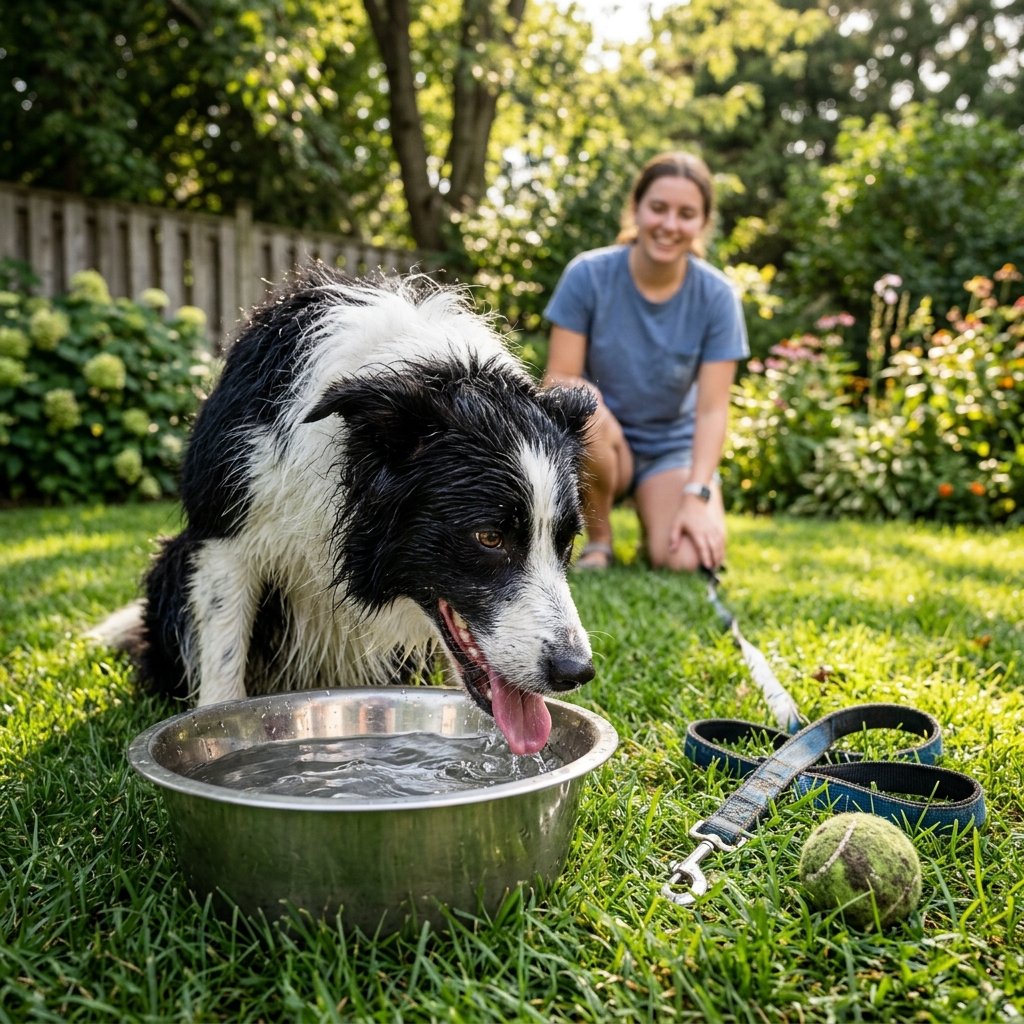
An occasional spike in water consumption—such as after a vigorous afternoon run or during a July heatwave—is entirely normal and nothing to panic about. However, when a dog’s thirst becomes constant, intense, and dramatically higher than their normal baseline, veterinarians refer to it as polydipsia.
How do you know you have crossed the line from “thirsty dog” to “excessive thirst”? Look for these telltale signs:
- You find yourself constantly refilling the water bowl multiple times a day when you normally wouldn’t.
- Your dog starts seeking out water in unusual places, such as drinking from the toilet bowl, puddles outside, or dripping faucets.
- You notice a sudden, dramatic increase in bathroom trips throughout the day and night.
- Your house-trained dog starts having accidents or urinating inside the house because they simply cannot hold it.
Read More : Dog Not Eating? 7 Proven Reasons & Simple Solutions
Common Reasons Why Your Dog Is Drinking More Water
Not every case of increased thirst points to a medical emergency. Many everyday lifestyle and environmental factors can cause your dog to empty their bowl faster than usual.
1. Hot Weather or Increased Exercise
Just like humans, dogs need to hydrate more when the temperature climbs or physical exertion increases. Dogs do not sweat through their skin the way we do; instead, they cool themselves down primarily through panting.
When a dog pants heavily during outdoor play, a long walk, or a scorching summer afternoon, moisture rapidly evaporates from their respiratory tract. To compensate for this fluid loss and keep their internal body temperature regulated, active dogs will naturally seek out the water bowl and drink more frequently.
2. Eating Dry Dog Food
The type of food in your dog’s bowl has a direct impact on how much water they drink. Commercial dry kibble typically contains only about 10% moisture content. By contrast, wet canned dog food is usually around 70% to 80% water.
If you have recently transitioned your dog from a wet food diet to a dry kibble diet, or if they are eating strictly dry food, they will naturally need to drink more water from their bowl to make up for the lack of moisture in their meals.
3. Salty Foods or Treats
High-sodium snacks and human foods can trigger sudden thirst in dogs, much like they do in humans. If your dog has managed to sneak a salty snack—such as processed treats, table scraps seasoned with salt, or salty processed meats—their body will signal them to drink more water to help process and flush out the excess sodium.
4. Stress, Anxiety, or Changes in Routine
Dogs are creatures of habit, and emotional stress can manifest in unexpected physical ways, including changes in drinking habits. Situations that trigger anxiety or behavioral responses can lead to compulsive behaviors, such as psychogenic polydipsia (excessive drinking driven by psychological factors rather than physical thirst).
Common stressors include:
- Moving to a new home
- Welcoming a new pet or baby into the family
- Sudden schedule changes or long periods of separation anxiety
- Loud noises like thunderstorms or fireworks
5. Pregnancy or Nursing
Female dogs undergoing hormonal and physical changes require significantly more fluids. Pregnant dogs need extra hydration to support fetal development, while nursing mothers require massive amounts of water to produce milk and sustain the rigorous physical demands of caring for a litter of puppies.
Medical Reasons Why Dogs Drink Too Much Water
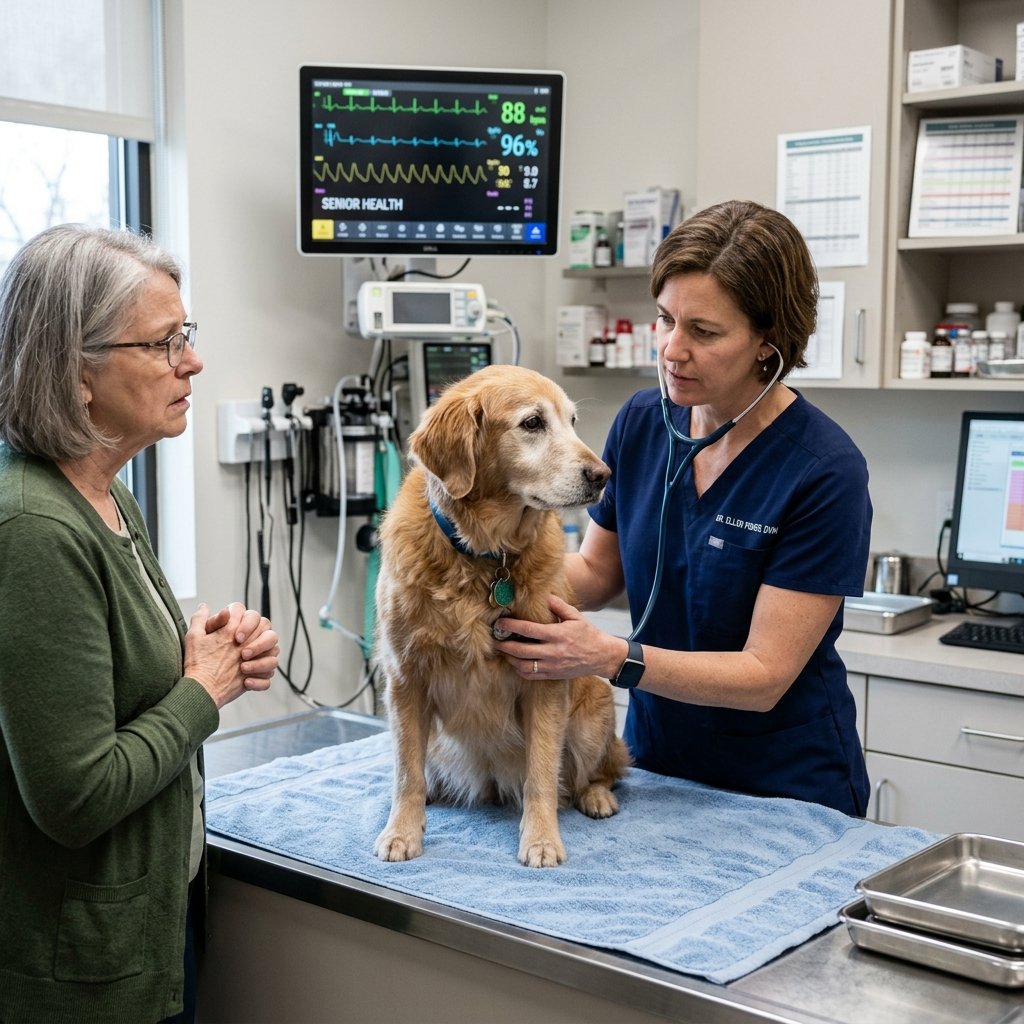
While lifestyle factors are common, sudden and persistent excessive thirst can also serve as an early warning sign of an underlying medical problem. When internal organ systems begin to fail or hormonal imbalances occur, a dog’s body often loses its ability to regulate fluids properly.
1. Diabetes in Dogs
Canine diabetes mellitus is a prevalent endocrine disorder that profoundly affects how a dog’s body processes sugar. When a dog has diabetes, their pancreas either fails to produce enough insulin or their body cannot effectively use the insulin it makes.
Because glucose cannot enter the cells for energy, it builds up in the bloodstream and spills over into the urine. As sugar pulls water along with it out of the body, it triggers intense, frequent urination. To combat this severe fluid loss, the dog develops an insatiable thirst.
Common symptoms often seen alongside increased drinking in diabetic dogs include:
- Frequent urination and indoor accidents
- Increased hunger and appetite (yet the dog may still look thin)
- Unexplained weight loss
- Low energy, lethargy, or weakness
If left unmanaged, diabetes can lead to severe complications, making early veterinary diagnosis and insulin therapy critical.
2. Kidney Disease
The kidneys are vital filtration units responsible for filtering waste products out of the blood and maintaining the body’s delicate water and electrolyte balance. When kidney function declines—whether due to age, infection, toxin exposure, or chronic degeneration—the kidneys lose their ability to concentrate urine.
As a result, the body flushes massive amounts of diluted urine out of the system. To prevent dangerous dehydration, the dog’s brain triggers an overwhelming urge to drink.
Key signs of kidney disease include:
- Excessive thirst and frequent urination
- Gradual weight loss and muscle wasting
- Vomiting or occasional nausea
- Poor appetite and listlessness
- Bad breath (uremic breath)
3. Cushing’s Disease
Cushing’s disease (hyperadrenocorticism) is a common hormonal disorder that occurs when a dog’s adrenal glands produce an excess amount of the stress hormone cortisol. This hormonal surplus wreaks havoc on the body’s metabolic functions, severely impacting thirst regulation and kidney function.
Dogs with Cushing’s disease typically exhibit a very recognizable set of symptoms, including:
- Extreme, excessive drinking and ravenous hunger
- A distinctive “pot-bellied” appearance due to weakened abdominal muscles and fat redistribution
- Hair thinning, symmetrical hair loss, or a dull, dry coat
- Frequent urination and restlessness
4. Urinary Tract Infections (UTIs)
A bacterial urinary tract infection causes inflammation and irritation in the bladder and urinary tract. This irritation tricks the dog’s brain into feeling like the bladder is constantly full, leading to frequent attempts to urinate.
Because the dog is expelling fluid much more often, their body triggers a secondary increase in water consumption to keep up.
Signs of a UTI include:
- Straining or showing discomfort while trying to pee
- Passing only small amounts of urine at a time
- Accidents indoors from dogs who are normally house-trained
- Blood visible in the urine
- Frequent licking around the genital area
5. Liver Disease
The liver is a powerhouse organ responsible for metabolism, detoxification, and protein production. When the liver is compromised by disease, inflammation, or toxins, it can no longer effectively process nutrients or regulate internal chemistry.
Fluid retention and imbalances often follow, prompting increased thirst. Possible symptoms of liver disease include:
- Increased thirst paired with a sudden loss of appetite
- Vomiting, diarrhea, or digestive distress
- Yellowing of the gums, skin, or whites of the eyes (jaundice)
- Abdominal swelling due to fluid buildup (ascites)
6. Medications That Increase Thirst
Sometimes, the culprit behind your dog’s sudden marathon sessions at the water bowl is sitting right in their medicine cabinet. Certain prescription medications are notorious for causing increased thirst and urination as a side effect.
Common culprits include:
- Steroids (such as prednisone), which are frequently prescribed for allergies, arthritis, or autoimmune conditions.
- Diuretics, which are prescribed for heart conditions to help clear fluid buildup, but can trigger compensatory thirst.
- Certain medications prescribed to manage inflammation, neurological issues, or chronic illnesses.
Important Note: Never stop giving your dog a prescribed medication abruptly or alter their dosage without first talking to your veterinarian. If you suspect a medication is making your dog excessively thirsty, consult your vet to discuss safe alternatives or management strategies.
Why Is My Dog Drinking Water at Night?
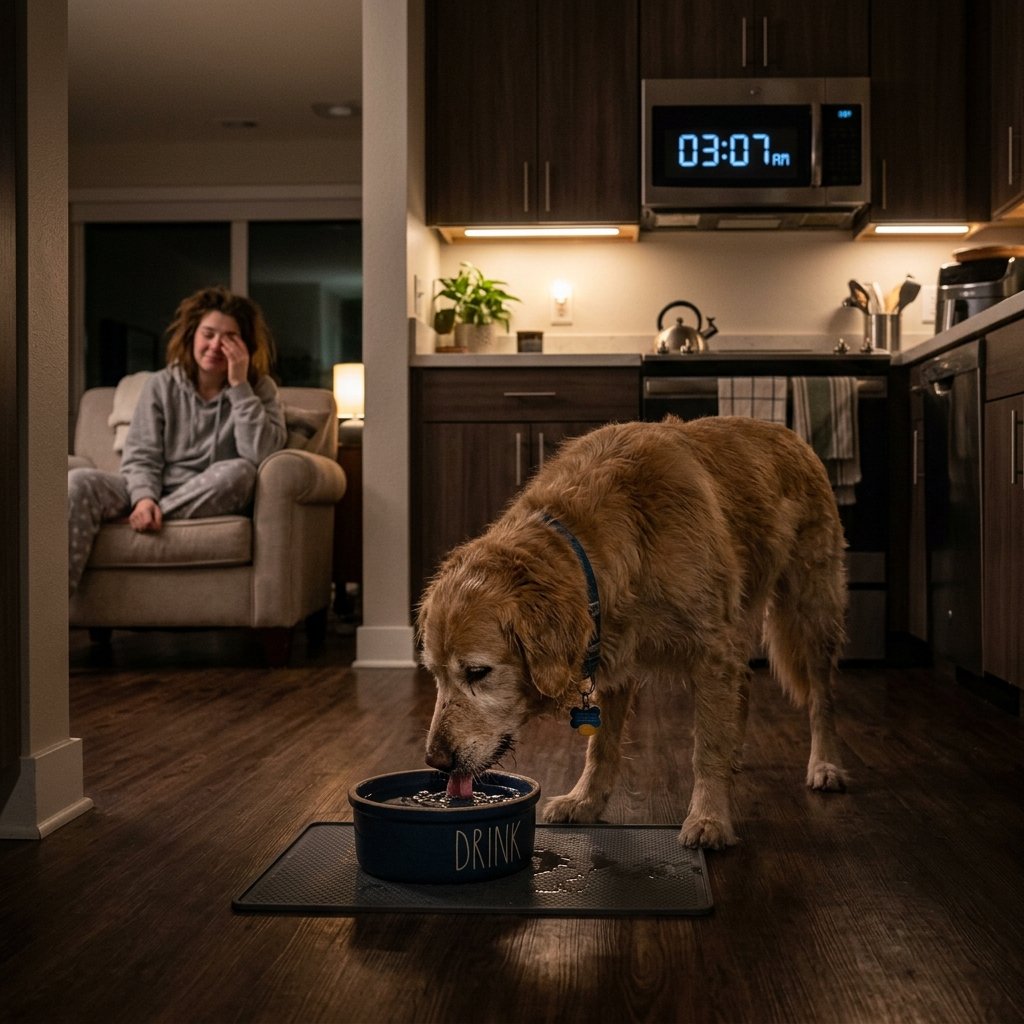
It can be particularly disruptive when your dog wakes you up at 3:00 AM, padding into the kitchen to empty their water bowl. Understanding why nighttime drinking happens involves looking at both normal routines and red-flag symptoms.
Normal Causes:
- Warm Sleeping Environment: If your bedroom is stuffy, the thermostat is set too high, or your dog is curled under heavy blankets, they may wake up genuinely overheated and thirsty.
- Late Evening Exercise: A vigorous late-night play session or an extra-long final walk right before bed can leave your dog parched.
- Dry Food Before Bedtime: Feeding your dog their final meal late in the evening naturally makes them thirsty afterward.
Possible Health Concerns:
When nighttime drinking becomes a nightly ritual accompanied by behavioral changes, it is rarely just about a dry throat. Persistent midnight water bowl visits are a classic hallmark of systemic medical issues such as:
- Unmanaged diabetes
- Early-stage kidney disease
- Urinary tract infections or bladder stones
- Hormonal disorders like Cushing’s disease
Signs to Watch at Night:
Pay close attention to how your dog drinks at night. If they are waking up multiple times to drink, pacing anxiously, and immediately needing to go outside to urinate—or worse, having accidents indoors where they sleep—it is time to schedule a veterinary checkup.

Signs Your Dog’s Excessive Drinking May Be Serious
How do you distinguish between a dog who just had a hot afternoon and a dog who needs immediate medical attention? Look at the overall picture. If increased thirst is paired with other physical symptoms, it is time to take action.
Review this checklist. Seek veterinary advice if increased drinking comes with any of the following:
- ✅ Sudden, unexplained change in drinking habits that lasts for more than a couple of days
- ✅ Excessive urination or sudden indoor accidents from a house-trained dog
- ✅ Unexplained weight loss or muscle wasting despite a normal or heavy appetite
- ✅ Vomiting or frequent nausea
- ✅ Diarrhea or changes in stool consistency
- ✅ Weakness, lethargy, or reluctance to play and exercise
- ✅ Loss of appetite or sudden picky eating habits
- ✅ Blood visible in the urine
- ✅ Difficulty urinating, straining, or obvious discomfort in the bathroom
- ✅ Behavioral changes such as restlessness, confusion, or pacing
Early diagnosis and intervention often dramatically improve treatment outcomes for underlying metabolic and organ diseases. Catching a condition like diabetes or kidney disease in its early stages makes it far easier to manage.
How Veterinarians Diagnose Excessive Thirst in Dogs
When you bring a dog experiencing excessive thirst to the clinic, your veterinarian will use a systematic approach to uncover the root cause.
Physical Examination
Your vet will start with a thorough physical examination, checking:
- Weight: Assessing whether the dog has lost or gained weight recently.
- Hydration Status: Checking skin elasticity and gum moisture to see how dehydrated the dog is.
- Abdomen: Palpating internal organs to check for organ enlargement, pain, or fluid buildup.
- Overall Vital Signs: Checking temperature, heart rate, and overall physical condition.
Diagnostic Tests
Because many internal conditions share similar symptoms (like increased thirst and urination), physical exams alone are rarely enough. Your veterinarian will likely recommend a battery of diagnostic tests:
- Blood Tests (Complete Blood Count and Chemistry Panel): These tests evaluate organ function (specifically kidneys and liver), check for signs of infection, and assess electrolyte levels.
- Blood Glucose Testing: Essential for ruling out or confirming diabetes.
- Urinalysis: A crucial test that checks urine concentration, looks for sugar (glucose) or protein, checks for blood, and screens for microscopic signs of a urinary tract infection.
- Hormone Testing: Specialized blood panels if conditions like Cushing’s disease are suspected.
- Imaging (X-rays or Ultrasound): If organ enlargement, bladder stones, or structural abnormalities are suspected.
Tracking your observations at home provides invaluable clues that help your vet make a faster, more accurate diagnosis.
What You Can Do at Home Before Visiting the Vet
While you wait for your veterinary appointment, there are several practical steps you can take to monitor your dog and help your vet gather accurate data.
Track Your Dog’s Water Intake
Instead of guessing, measure it. Use a measuring cup to pour a specific amount of water into your dog’s bowl each morning. At the end of the day, measure what is left over to calculate their exact daily consumption. Note any sudden spikes or downward trends.
Monitor Other Symptoms
Keep a written log or notes on your phone detailing:
- Changes in appetite (are they eating more, less, or turning their nose up at food?)
- Bathroom habits (how often are they going out? Are there accidents?)
- Energy levels and playfulness
- Weight changes or physical shifts in appearance (like a swelling belly or coat thinning)
Keep Fresh Water Available
Crucial Warning: Never, under any circumstances, restrict your dog’s access to water unless your veterinarian explicitly instructs you to do so.
When a dog is drinking excessively, pet owners sometimes panic and try to lock up the water bowl to stop the frequent urination. Doing this can be extremely dangerous. A dog drinking large amounts of water’s body desperately needs those fluids to function and stave off life-threatening dehydration. Restricting water can quickly push a compromised dog into severe dehydration and medical shock. Always keep fresh, clean water freely available.
Frequently Asked Questions (FAQ)
Q1: How much water is too much for a dog?
Answer: Generally, any dog drinking significantly more than 1 ounce of water per pound of body weight daily—without an obvious reason like intense exercise or hot weather—is considered to be drinking too much. If your dog is draining multiple large bowls a day and constantly looking for more, it crosses into excessive territory.
Q2: Should I worry if my dog suddenly drinks a lot of water?
Answer: If it is a one-time occurrence after a long run on a hot day, there is usually no need to worry. However, if the behavior persists for more than 48 hours or comes out of nowhere without an environmental trigger, you should schedule a visit with your veterinarian to rule out underlying health issues.
Q3: Why is my old dog drinking more water?
Answer: Senior dogs are much more prone to age-related degenerative conditions. Increased thirst in older dogs is very frequently linked to chronic kidney disease, diabetes, Cushing’s disease, or certain types of age-related organ decline. Any sudden thirst in a senior dog warrants prompt veterinary testing.
Q4: Why is my dog drinking and peeing more?
Answer: Drinking and urinating go hand in hand—what goes in must come out. When a dog’s body cannot properly concentrate urine or process fluids, they dehydrate internally and drink more, which in turn forces them to pee more. The most common medical culprits for this combination are diabetes, kidney disease, urinary tract infections, and Cushing’s disease.
Q5: Can dogs drink too much water?
Answer: Yes, though true water intoxication (hyponatremia) is relatively rare. It usually happens when a dog ingests massive amounts of water in a very short span of time, often while frantically fetching toys in a lake or pool, or through compulsive psychological water-guzzling. This dangerously dilutes sodium levels in the bloodstream and can become a medical emergency.
Q6: Should I limit my dog’s water intake?
Answer: Never restrict your dog’s water access unless a licensed veterinarian explicitly tells you to do so for a specific medical reason. Cutting off water can cause rapid dehydration and put a stressed, sick body into critical danger.
Conclusion
Noticing that your dog is suddenly drinking more water can be unsettling, but understanding the root causes puts you back in the driver’s seat of your pet’s health. While simple everyday triggers like hot summer weather, rigorous exercise, dry kibble, or salty snacks can easily cause a temporary spike in thirst, persistent or excessive drinking often serves as an important early warning sign of underlying health conditions like diabetes, kidney disease, or hormonal imbalances.
By keeping a close eye on changes in your dog’s drinking habits, monitoring their bathroom routines, tracking their appetite and energy levels, and partnering with your veterinarian early on, you can catch potential health problems before they escalate. Understanding your dog’s normal daily habits and listening to what their body is trying to tell you is one of the single most powerful ways to protect their lifelong health, happiness, and well-being.