Introduction
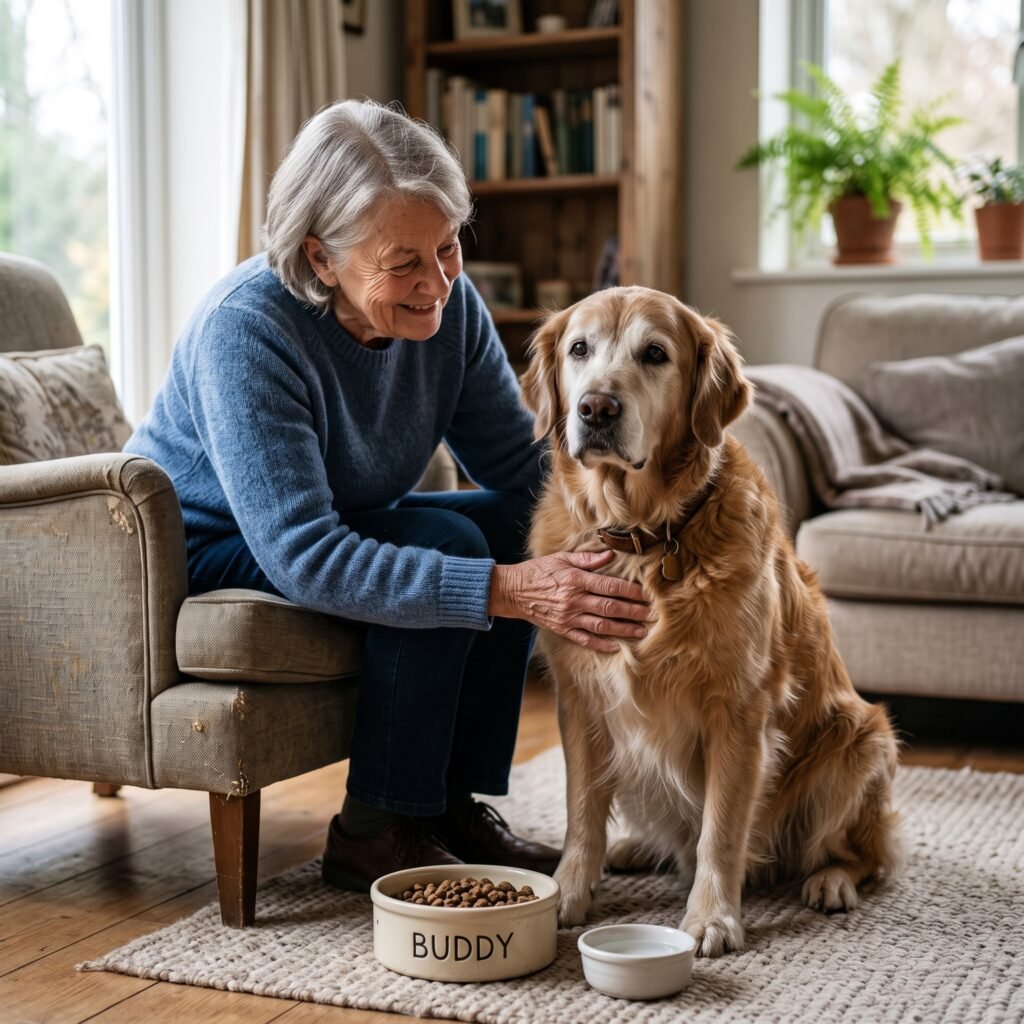
Few things can cause a wave of instant panic for a pet parent quite like looking down at a full dog bowl at the end of the day and realizing your furry companion hasn’t touched a single kibble. Food is the fuel of life, and watching a dog turn their nose up at a meal instantly triggers worry. Is something seriously wrong? Are they just being stubborn? Did they sneak a massive snack somewhere else?
A dog suddenly refusing food is an extremely common concern among pet owners. It happens to the best of us, and while occasional skipped meals can happen for entirely harmless reasons—such as a slightly upset tummy or simply not being as active that day—ongoing appetite loss can signal a deeper physical or emotional problem.
In this comprehensive guide, we are going to dive deep into why your dog might be turning away from their food bowl, practical steps you can take at home to encourage them to eat, how to handle specific life stages like puppyhood or senior years, and most importantly, when it is time to pack up and head straight to the veterinarian.
How Long Can a Dog Go Without Eating?
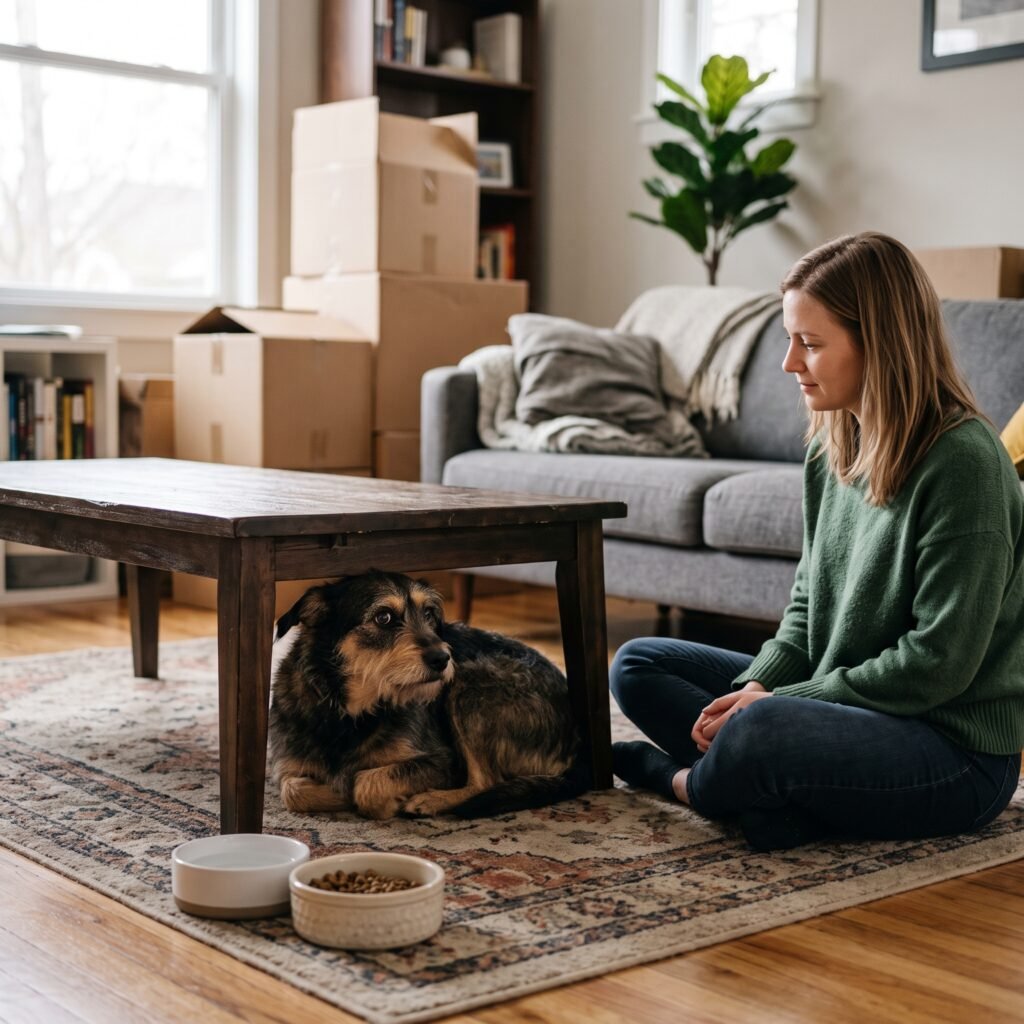
Before panicking over a missed meal, it helps to understand canine physiology. Generally speaking, healthy adult dogs can go without food for a surprising amount of time—often up to several days—provided they are still drinking water. In the wild, canines frequently go periods without a successful hunt, and their bodies are naturally adapted to handle brief fasting.
However, this rule does not apply universally to all dogs.
- Puppies: Growing puppies have very high metabolic rates and small energy reserves. They need a steady stream of calories and nutrients to support their development. A puppy who misses multiple meals can quickly experience a dangerous drop in blood sugar (hypoglycemia), leading to weakness, lethargy, and medical emergencies.
- Senior Dogs: Older dogs often have underlying age-related conditions, weaker immune systems, and less physical resilience. A senior dog skipping meals requires closer monitoring.
- Dogs with Pre-existing Health Issues: Dogs managing conditions like diabetes, kidney disease, or liver issues cannot afford to miss meals, as fasting can severely disrupt their medication schedules and metabolic stability.
The Golden Rule: There is a major difference between a healthy adult dog missing a single meal because they are hot or overexcited, and a dog completely refusing food for 24 hours or more. Context matters immensely.
Common Reasons Why Your Dog Is Not Eating
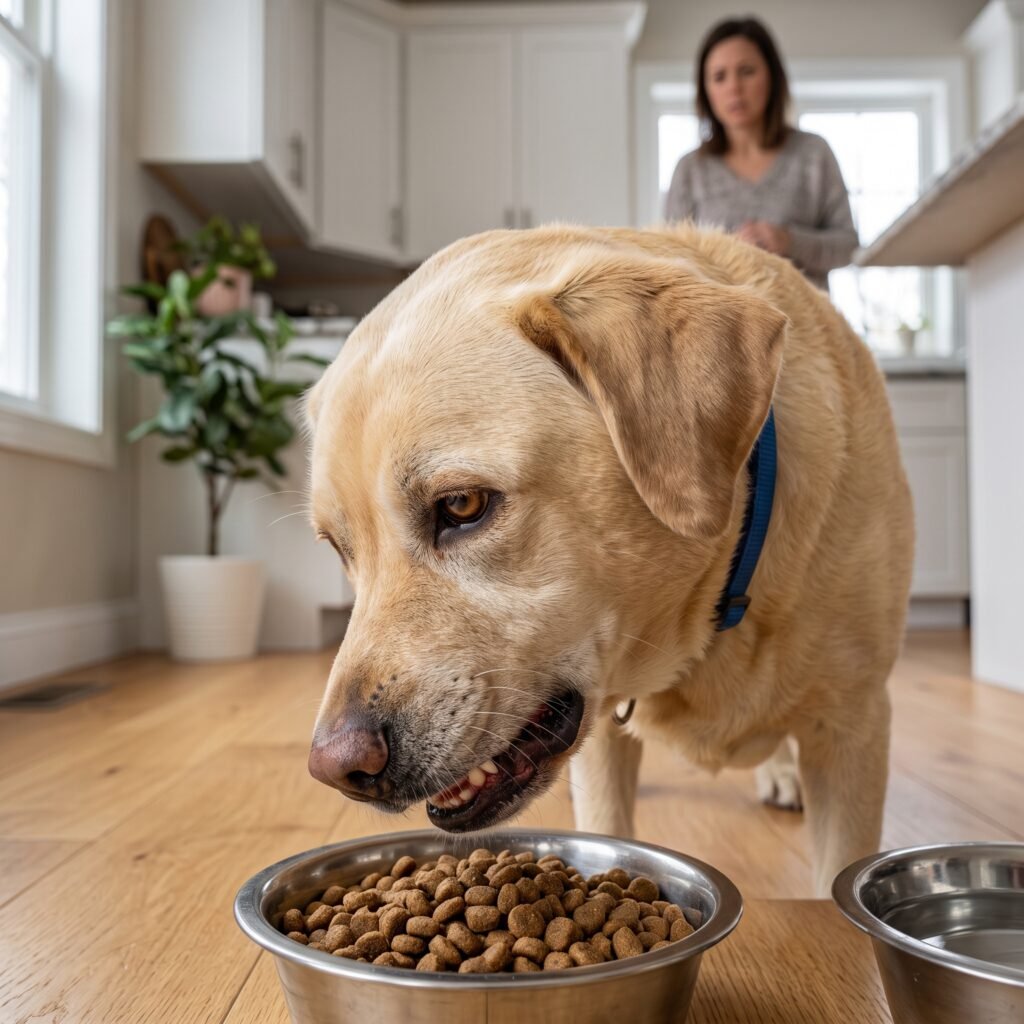
Dogs stop eating for a wide variety of reasons ranging from simple behavioral quirks to complex medical emergencies. Let’s break down the most common culprits.
1. Stress or Anxiety
Just like humans, dogs experience emotional distress that can instantly kill their appetite. Canines are creatures of habit who thrive on predictability.
- Common Triggers: Moving to a new home, rearranging furniture, the addition of a new human or pet family member, loud noises like thunderstorms or construction, fireworks, or experiencing separation anxiety when left alone for long periods.
- Signs of Stress: Alongside a refusal to eat, stressed dogs may display body language changes such as hiding, excessive panting, pacing, whining, trembling, or adopting a low posture with tucked tails.
2. Change in Food or Diet
Sometimes the issue isn’t your dog—it’s what is inside the bowl.
- Triggers: Switching to an entirely new brand of food, trying a different flavor protein, or offering food that has gone stale or spoiled due to improper storage in humid or hot environments.
- The Solution: If you need to change your dog’s diet, it should always be done gradually over a 7 to 10-day period by mixing increasing amounts of the new food with decreasing amounts of the old food. Sudden transitions almost always spell disaster for a sensitive canine digestive tract.
3. Dental Problems or Mouth Pain
If it hurts to chew, a dog will naturally avoid eating, no matter how hungry they might actually be. Oral pain is a silent and insidious reason for sudden fasting.
- Common Issues: Broken or fractured teeth, advanced periodontal (gum) disease, painful tooth abscesses, foreign objects stuck in the roof of their mouth or between teeth, or oral tumors.
- Signs to Look For: You might notice your dog walking up to the bowl with enthusiasm, sniffing the food, but then backing away. Other signs include dropping food out of their mouth while trying to chew, chewing exclusively on one side of the mouth, excessive drooling, pawing at the face, or severe halitosis (bad breath).
4. Upset Stomach or Digestive Issues
Dogs are notorious for eating things they shouldn’t—from garbage on the street to mysterious outdoor objects, toxic plants, or spoiled table scraps.
- Causes: Mild dietary indiscretion, food intolerances, or bacterial imbalances in the gut.
- Related Symptoms: If an upset stomach is the root cause of their refusal to eat, you will likely see accompanying signs such as vomiting, watery or loose diarrhea, excessive drooling, flatulence, and a hunched, uncomfortable posture indicating abdominal pain.
5. Illness or Medical Problems
A sudden loss of appetite is very frequently the canary in the coal mine for underlying systemic illness. When a dog feels sick, their body instinctively prioritizes fighting the infection or disease over digestion.
- Potential Culprits: Systemic infections, hidden injuries, fevers, hormonal imbalances (like hypothyroidism or Cushing’s disease), kidney failure, liver disease, pancreatitis, or internal blockages from swallowed toys or clothing.
- The Reality: Loss of appetite can sometimes be the absolute first visible sign that something is wrong internally, long before other symptoms become obvious.
6. Too Many Treats or Human Food
Sometimes the answer is right in front of us. If your dog is turning their nose up at kibble, consider what else they have consumed throughout the day.
- The Explanation: If family members are handing out high-value snacks, training treats, and generous amounts of human table scraps all day long, your dog simply won’t have any appetite left for balanced dog food. Why eat plain kibble when you know chicken breast or cheese is just a puppy-dog-eye look away?
7. Vaccination or Medication Side Effects
Medical interventions can temporarily disrupt a dog’s desire to eat.
- Vaccines: Just like humans can feel sluggish and lose their appetite after getting a flu shot, dogs can experience temporary fatigue and mild soreness following routine vaccinations. This typically passes within 24 to 48 hours.
- Medications: Certain prescription drugs—such as specific antibiotics, non-steroidal anti-inflammatory drugs (NSAIDs), or chemotherapy agents—are notorious for causing nausea or a drop in appetite.
What You Can Do When Your Dog Won’t Eat
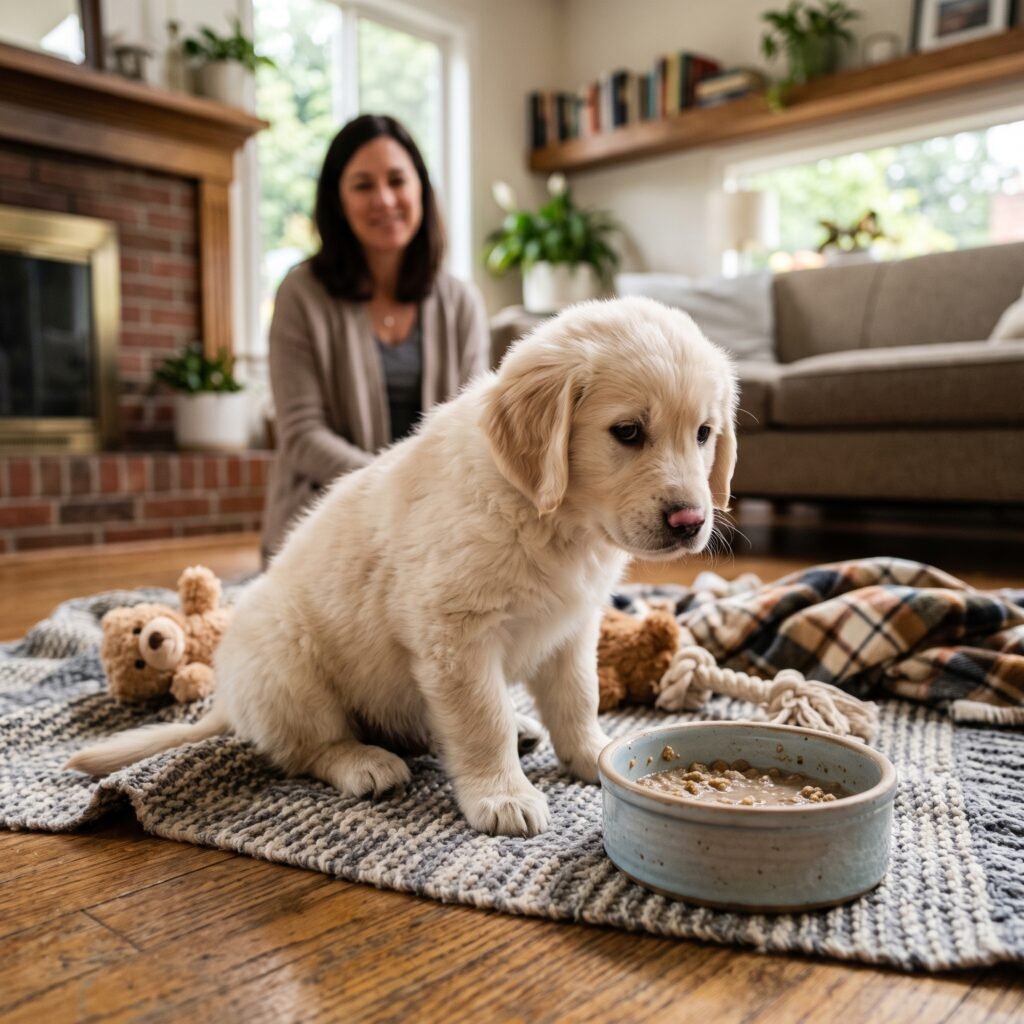
If your dog has skipped a meal or two, but is otherwise acting completely normal, bright, alert, and responsive, you can try several safe, practical steps at home to kickstart their appetite.
1. Check Their Food
- Freshness Check: Smell the food. Has it gone stale? Fats in dry kibble can go rancid over time if bags are left unsealed.
- Expiration Date: Check the package to ensure the food is well within its shelf-life.
- Storage: Ensure the food has been stored in a cool, dry, airtight container away from direct sunlight.
2. Create a Calm Feeding Routine
- Consistency: Feed your dog at the exact same times every single day to establish a predictable biological clock.
- Eliminate Distractions: If you have a busy household with other pets or energetic children, feed your dog in a quiet, secluded room where they don’t feel pressured or anxious about resource guarding.
- Give Them Space: Leave them alone while they eat so they can relax.
3. Make Food More Appealing
- Warm It Up: Gently warming canned food or adding a splash of warm water/low-sodium bone broth to dry kibble releases powerful aromatic scents that stimulate a dog’s keen sense of smell.
- Veterinarian-Approved Toppers: Mix in a small spoonful of plain canned pumpkin, plain Greek yogurt, or shredded boiled chicken to make the bowl more enticing.
4. Avoid Constantly Changing Foods
- The Picky Trap: If your dog refuses dinner and you immediately panic by opening a brand-new bag of gourmet food or hand-feeding them steak, you are accidentally training them to be a picky eater. They learn quickly: “If I wait this out, the human brings out the good stuff.” Stick to their regular food schedule and give them a reasonable window (about 15 to 20 minutes) to eat before picking the bowl back up.
When Should You Worry About Your Dog Not Eating?
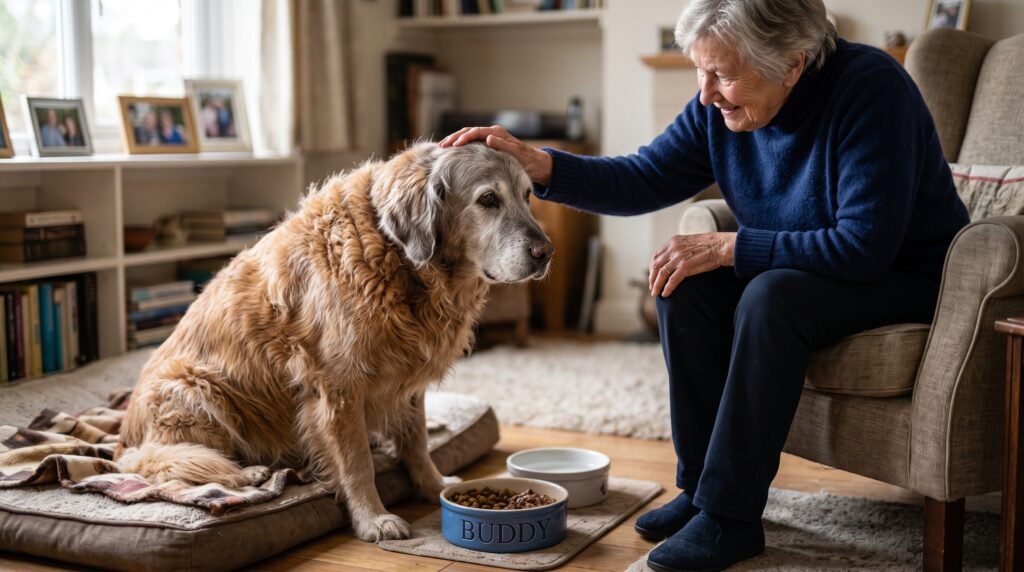
While missing a single meal isn’t automatically an emergency, you need to know when to shift from home observation to calling a professional.
Contact a Vet If:
- Your dog completely refuses food for more than 24 hours.
- A puppy refuses multiple consecutive meals.
- Your dog is vomiting repeatedly or experiencing severe diarrhea.
- Your dog seems weak, lethargic, or unusually tired and won’t get up to greet you.
- There is noticeable, rapid weight loss.
- Signs of pain appear (whining when touched, rigid posture, inability to get comfortable).
- Your dog is drinking an unusually high or unusually low amount of water alongside their food refusal.
Why Is Your Puppy Not Eating?
Puppies require a specialized approach because their tiny bodies cannot handle prolonged fasts. If your young puppy is turning away from their food, consider these age-specific factors:
- The Transition Stress: Leaving their mother and littermates is a massive psychological shock. The stress of a new environment can suppress a puppy’s appetite for the first couple of days.
- Vaccinations: Young puppies undergoing their initial rounds of core vaccinations often experience a temporary dip in energy and appetite.
- Teething: Between 4 and 6 months of age, puppies lose their baby teeth and grow adult teeth. Sore, inflamed gums can make chewing hard kibble painful. Try softening their kibble with warm water to make it comfortable to eat.
- Feeding Schedule: Puppies need frequent meals (usually 3 to 4 times a day). Ensure you are keeping a strict, consistent feeding schedule tailored to their developmental age.
Why Is Your Senior Dog Not Eating?
Older dogs face a unique set of age-related physical and sensory changes that can impact their desire to eat:
- Dental Issues: Senior dogs are much more prone to severe tartar buildup, gum recession, tooth decay, and loose teeth. A veterinary dental check is often the first step for an older dog losing interest in food.
- Chronic Conditions: Aging brings a higher risk of systemic diseases such as arthritis (which makes walking to the food bowl painful), organ decline, and cognitive dysfunction.
- Reduced Sense of Smell: Just like elderly humans, senior dogs experience a natural dulling of their senses. If they cannot smell their food, their appetite plummets. Warming up food to amplify its aroma can make a world of difference for an older dog.
- Medication Effects: Senior dogs are more likely to be on daily pharmaceutical regimens for joint pain or organ support, which can suppress appetite.
Foods That May Help Encourage Eating (Vet-Friendly Options)
If your veterinarian has ruled out a serious medical emergency and given you the green light to coax your dog into eating, you can offer gentle, bland, easily digestible home-cooked options for a meal or two:
- Plain Cooked Chicken: Boiled chicken breast with absolutely no seasoning, no salt, no garlic, and no onions, shredded finely.
- Plain White Rice: A mixture of plain white chicken and white rice can soothe a mildly upset digestive tract.
- Veterinarian-Approved Appetite Support Foods: Your vet may prescribe specific high-calorie, highly palatable recovery canned foods (such as critical care formulas) designed specifically for convalescing pets.
Disclaimer: Always consult your veterinarian before introducing new human foods, especially if your dog has pre-existing health conditions like pancreatitis, food allergies, or kidney disease.
Frequently Asked Questions (FAQ)
Why is my dog suddenly refusing food?
Sudden food refusal can stem from many causes, including recent stress or environmental changes, mild stomach upset, dental pain, eating too many treats, or the early incubation stages of an underlying illness.
How long can a dog safely go without eating?
A healthy adult dog can safely go without food for up to several days as long as they are drinking water. However, puppies, senior dogs, and sick dogs should not go more than 12 to 24 hours without eating before consulting a veterinarian.
Should I force my dog to eat?
No. Forcing food into a dog’s mouth can cause severe stress, lead to food aggression, or cause them to aspirate food into their lungs if they are nauseous. Instead, focus on finding the root cause or making the food more aromatic and appealing.
Is it normal for dogs to skip meals?
Occasionally, a healthy dog might skip a single meal due to excitement, warm weather, or mild indigestion. However, if skipping meals becomes a recurring pattern or lasts longer than 24 hours, it is no longer considered normal.
Why is my dog not eating but drinking water?
This is a very common clinical scenario. A dog that is drinking water but refusing food may have mild nausea, a sore mouth, or a low-grade systemic infection. However, if your dog is drinking excessive amounts of water alongside food refusal, it can be a sign of more serious metabolic conditions like a uterine infection (pyometra in unspayed females), kidney disease, or diabetes, requiring immediate veterinary evaluation.
Key Takeaways
- Don’t Panic Immediately: A single skipped meal in a healthy adult dog is often harmless and can be driven by stress, minor stomach upset, or weather changes.
- Look for Clues: Pay close attention to accompanying symptoms such as vomiting, lethargy, diarrhea, or signs of mouth pain.
- Know the 24-Hour Rule: If your dog refuses food for more than 24 hours—or if your puppy misses multiple meals—reach out to a veterinarian right away.
- Prioritize Routine: Keep feeding times consistent, minimize household stress, and avoid the trap of constantly feeding high-value human table scraps when kibble is rejected.