
Introduction
Hearing your dog cough can instantly worry any pet parent. Whether it is a sudden hacking sound from across the room or a persistent rasp that wakes you up in the middle of the night, a dog’s cough is a signal that something is disrupting their respiratory tract. A single cough may be harmless—perhaps your pup simply swallowed a bit of water too fast or inhaled a speck of dust—but repeated or chronic coughing can sometimes signal an underlying health issue. Dogs cough for many different reasons, ranging from simple throat irritation to infections, environmental allergies, or heart-related problems.
Understanding why your dog is coughing starts with recognizing that not all coughs are created equal. The sound, timing, and frequency of the cough provide vital clues about what is happening inside your dog’s body. Furthermore, watching for accompanying symptoms—such as changes in energy levels, breathing difficulties, or a loss of appetite—helps paint a clearer picture of your dog’s overall health.
In this comprehensive guide, we will explore why dogs cough, break down the different types of coughs, examine the most common medical causes, highlight crucial red flags that require immediate veterinary attention, and offer safe, at-home supportive care tips to help your furry friend feel comfortable again.
READ MORE : Dog Not Eating? 7 Proven Reaasons & Simple Solutions That Work
Why Is My Dog Coughing? (Quick Answer)
If you are looking for an immediate answer, the most common reasons why dogs cough include kennel cough, environmental allergies, respiratory infections, tracheal collapse, heart disease, foreign objects stuck in the throat, pneumonia, parasites, and exposure to everyday irritants like smoke or dust. While an occasional, isolated cough is usually nothing to panic about, persistent, recurring, or worsening coughing requires veterinary attention to diagnose the root cause and begin the appropriate treatment.
Understanding Different Types of Dog Coughs
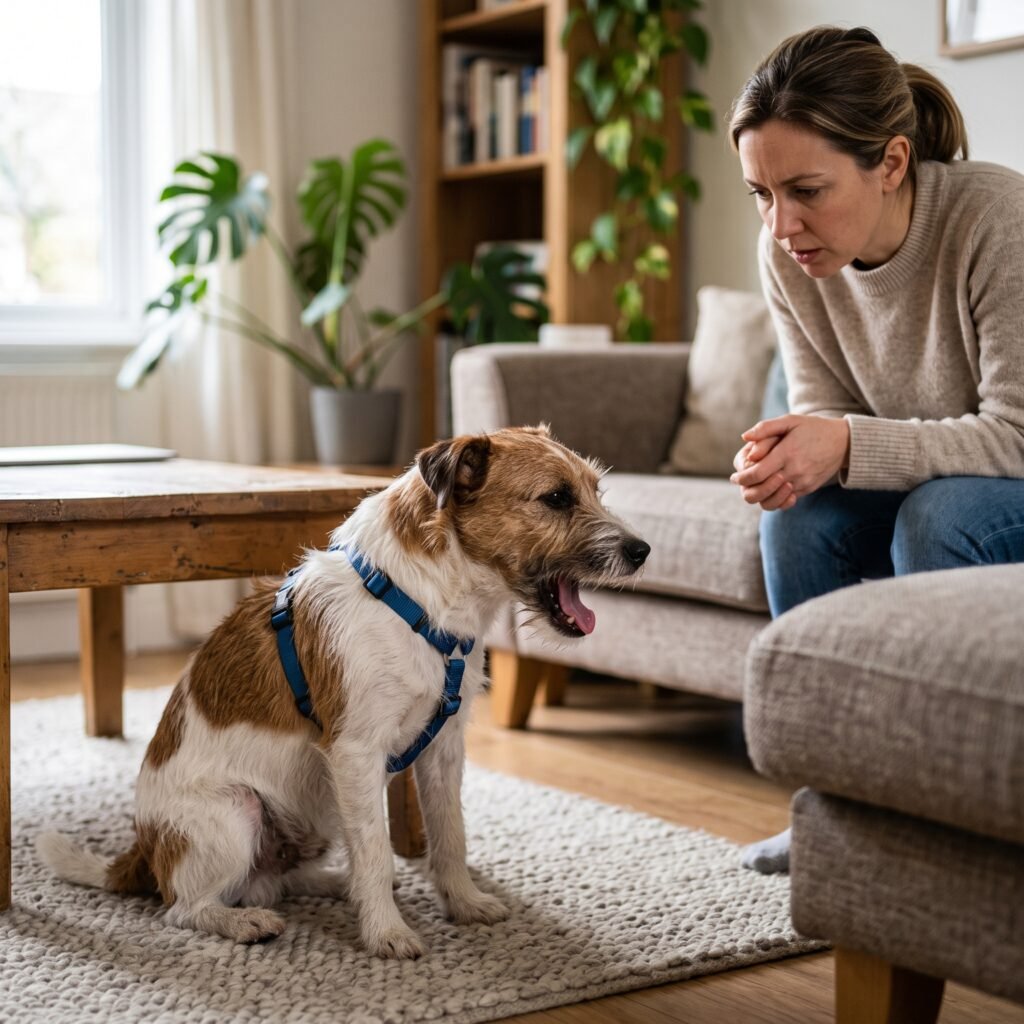
Listening closely to your dog’s cough can tell you a lot about its origin. Veterinarians often ask pet parents to describe the sound of the cough because different respiratory conditions produce distinct auditory patterns.
Dry Hacking Cough
A dry hacking cough is sharp, non-productive, and sounds very much like something is stuck in your dog’s throat. Dogs experiencing this type of cough will often gag or retch slightly at the end of the hacking sound, which leads many owners to mistakenly believe their dog is trying to expel a hairball or a piece of food. Common causes of a dry hacking cough include kennel cough (infectious tracheobronchitis), upper airway inflammation, or early-stage tracheal irritation.
Wet or Productive Cough
Unlike a dry cough, a wet or productive cough sounds heavy and wet, often accompanied by fluid, mucus, or phlegm. When your dog coughs, you might hear a rattling sound in their chest. A productive cough means there is fluid or exudate in the lower respiratory tract or lungs. This type of cough should never be ignored, as it frequently points toward more serious conditions such as bacterial or viral pneumonia, severe respiratory infections, or fluid buildup in the lungs.
Honking Cough
A honking cough sounds uncannily like a goose. It is a distinct, high-pitched, resonant sound that is most frequently heard in small and toy breed dogs. This particular sound is a classic indicator of a collapsing trachea, a condition where the cartilage rings supporting the windpipe weaken and flatten, restricting airflow and producing the signature honking noise whenever the dog gets excited, pulls on a leash, or exercises.
Read More : Why Is My Dog Drinking So Much Water? Causes Explained
Coughing at Night or While Sleeping
If your dog’s cough primarily strikes at night or when they are resting quietly, it warrants close attention. Nighttime coughing is often associated with canine heart disease, particularly congestive heart failure. When a dog lies flat, an enlarged heart or fluid accumulating in the lungs can put increased pressure on the airways, triggering coughing fits. Respiratory issues and chronic bronchitis can also flare up when the dog is resting in a cool or still indoor environment.
Common Reasons Why Dogs Cough
To properly address a cough, you must understand the underlying medical and environmental factors that trigger it. Here are the most frequent reasons why dogs develop a cough.
1. Kennel Cough (Canine Infectious Respiratory Disease)
Kennel cough is one of the most common contagious respiratory illnesses in dogs. It is caused by a combination of bacteria (such as Bordetella bronchiseptica) and viruses (such as canine parainfluenza virus). Dogs typically catch kennel cough in environments where many animals congregate, such as boarding facilities, doggy daycare centers, dog parks, and grooming salons.
- Common Symptoms: A sharp, dry hacking cough (often described as sounding like a honk or a gag), occasional sneezing, a clear or white nasal discharge, and sometimes mild lethargy.
- Who is at Risk: Puppies, unvaccinated dogs, and dogs that frequently socialize in group settings are most vulnerable.
While kennel cough is often mild and resolves on its own within a couple of weeks, secondary bacterial infections can develop, requiring veterinary treatment, cough suppressants, or antibiotics.
2. Allergies and Environmental Irritants
Just like humans, dogs can suffer from environmental allergies and sensitivities. When their airways encounter microscopic airborne triggers, the immune system reacts, causing inflammation and irritation that triggers a defensive cough.
- Possible Triggers: Cigarette smoke, heavy perfumes, household cleaning chemicals, dust mites, mold spores, and seasonal pollens.
- Associated Symptoms: Coughing, frequent sneezing, itchy or red skin, watery eyes, and paw licking.
- Management: Keeping your living environment clean, swapping out harsh chemical cleaners for pet-safe alternatives, using air purifiers, and avoiding smoking indoors can significantly reduce allergic coughing.

3. Something Is Stuck in Your Dog’s Throat
Dogs explore the world with their mouths, making them prone to swallowing or chewing items that can become lodged in their throat or esophagus. Grass blades, splinters from bones, small toy parts, and sharp pieces of food can easily irritate or obstruct the airway.
- Signs: Sudden onset of coughing, violent gagging, excessive drooling, pawing frantically at the mouth or muzzle, and visible distress or difficulty breathing.
- Emergency Warning: If your dog is struggling to breathe, turning blue, or collapsing, this is a life-threatening medical emergency. Do not attempt to sweep objects out of the mouth blindly unless you can clearly see and safely remove the obstruction, as you may push it deeper. Rush your dog to the nearest emergency veterinary clinic immediately.
4. Tracheal Collapse
Tracheal collapse is a chronic, progressive condition where the cartilage rings that keep the windpipe rigid begin to weaken and flatten out. When air rushes through the narrowed windpipe, it creates irritation and coughing.
- Breeds More Prone: Toy and small breeds are genetically predisposed, including Yorkshire Terriers, Chihuahuas, Pomeranians, Miniature Poodles, and Pugs.
- Symptoms: A chronic dry, honking cough that worsens dramatically when the dog becomes excited, pulls hard against a neck collar, eats, drinks, or pants heavily in warm weather. Over time, it can lead to respiratory distress and exercise intolerance.
5. Heart Disease
Many pet owners are surprised to learn that a heart condition can cause a persistent cough. When a dog suffers from heart disease—such as mitral valve disease or dilated cardiomyopathy—the heart enlarges over time because it cannot pump blood efficiently. An enlarged heart chamber presses directly against the adjacent airways, irritating the trachea and causing a mechanical cough. Furthermore, if the heart begins to fail (congestive heart failure), fluid leaks back into the lungs, creating a wet, productive cough that is typically worse at night or after lying down for long periods.
6. Respiratory Infections and Pneumonia
Severe upper respiratory infections can migrate downward into the lungs, resulting in pneumonia. Pneumonia causes inflammation and fluid accumulation in the lung tissue, compromising oxygen exchange.
- Symptoms: A deep, wet, productive cough, a persistent fever, sluggishness, loss of appetite, rapid breathing, and nasal discharge.
- Treatment: Pneumonia is a serious medical condition that requires prompt veterinary intervention, typically involving prescription antibiotics, supportive fluid therapy, and strict rest.
7. Parasites That Can Cause Coughing
Certain internal parasites can invade a dog’s respiratory and circulatory systems, leading to persistent coughing.
- Heartworms: Transmitted by infected mosquitoes, adult heartworms live in the heart and pulmonary blood vessels. As the worms grow and damage blood flow, dogs develop a chronic, soft cough, alongside exercise intolerance and weight loss.
- Lungworms: Dogs can contract lungworms by ingesting infected slugs, snails, or contaminated soil, leading to bronchitis and coughing.
- Prevention: Routine monthly heartworm preventative medication is essential to protect your dog from these dangerous parasites.

Other Symptoms That Matter Along With Coughing
Coughing rarely occurs in a complete vacuum. To understand your dog’s health status, you must look at the complete clinical picture. Pay close attention if your dog’s cough is accompanied by any of the following secondary symptoms:
Breathing Problems
Difficulty breathing is one of the most critical warning signs. Watch for rapid breathing rates while resting (more than 30 breaths per minute), exaggerated abdominal movements with every breath, extended neck positioning to open airways, or bluish/pale gums (cyanosis), which indicate dangerously low oxygen levels.
Low Energy and Lethargy
If your normally playful dog suddenly becomes sluggish, reluctant to go for walks, or spends all day sleeping, their body is likely redirecting energy to fight off an infection, deal with cardiovascular strain, or cope with pain.
Loss of Appetite
An unwillingness to eat can accompany severe infections, fever, respiratory distress, or systemic illness. A dog that stops eating for more than 24 hours requires a veterinary checkup.
Fever or Nasal Discharge
Warm ears, a dry nose, thick green or yellow nasal discharge, and watery eyes point strongly toward an infectious process, such as kennel cough, canine flu, or a bacterial respiratory infection.
Weight Loss
Unexplained weight loss combined with a chronic cough is a significant red flag that may point to chronic cardiac disease, severe internal parasitism, or systemic illness.
When Should You Take Your Dog to the Vet for Coughing?
Knowing when to transition from home observation to veterinary care can make all the difference in your dog’s recovery. You should contact your veterinarian if:
- The cough lasts for more than a few days without improvement.
- The cough progressively worsens, becoming more frequent or harsh.
- Your dog shows signs of labored breathing or shortness of breath.
- Your dog completely refuses food or water.
- Your dog seems exceptionally weak, depressed, or lethargic.
- There is blood mixed in with the mucus or saliva when your dog coughs.
- Your dog collapses or faints during or after a coughing fit.
Emergency Signs (Need Immediate Care)
Seek emergency veterinary care right away if your dog displays any of the following critical indicators:
- Blue, purple, or pale grey gums and tongue.
- Severe, frantic breathing difficulty (gasping for air).
- Choking or complete airway blockage.
- Collapse, fainting spells, or unresponsiveness.
- Extreme weakness where the dog cannot stand up.

How Veterinarians Diagnose the Cause of Coughing
When you bring a coughing dog to the clinic, your veterinarian will use a systematic approach to uncover the root cause.
Physical Examination
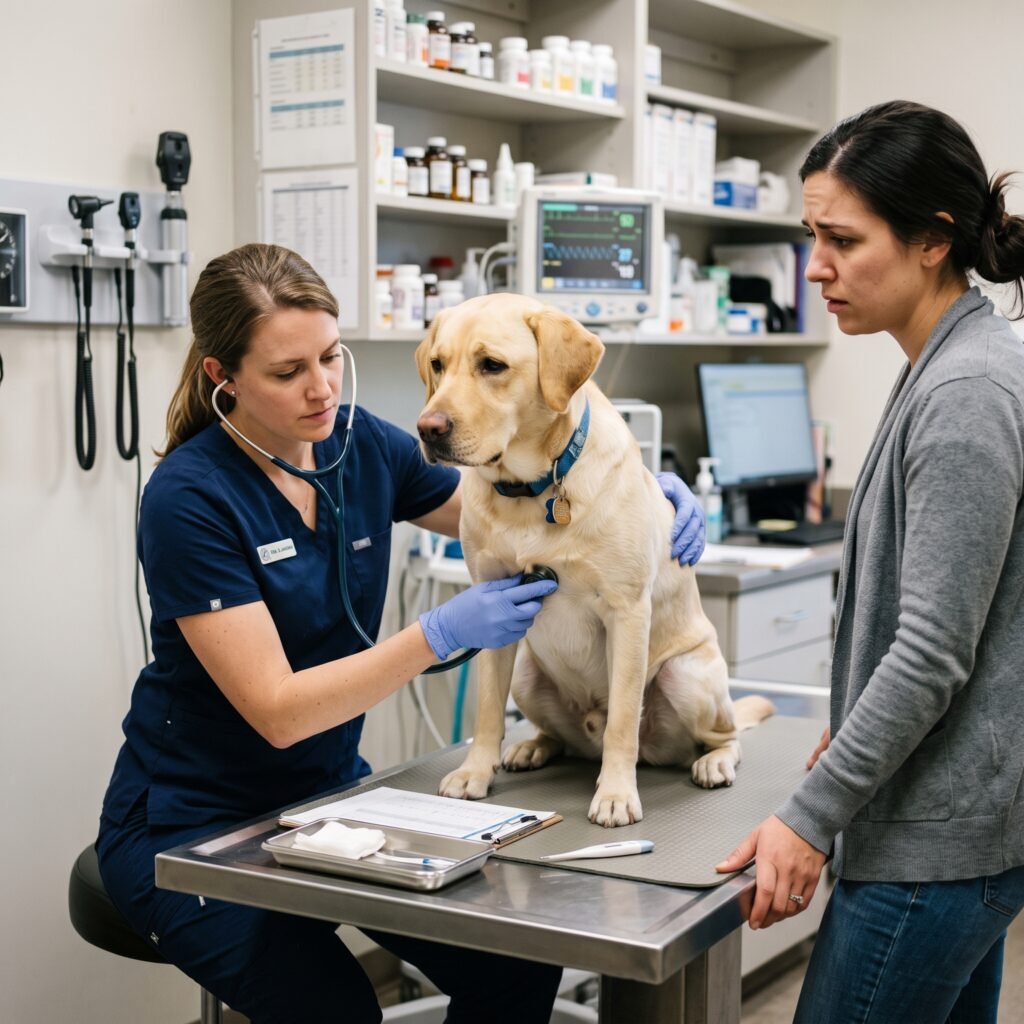
The vet will perform a thorough physical assessment, using a stethoscope to listen carefully to your dog’s heart and lungs for murmurs, fluid sounds, or abnormal respiratory rhythms. They will also gently palpate the throat and trachea to check for sensitivity and trigger a cough response.
X-rays (Radiographs)
Chest X-rays are invaluable diagnostic tools. They allow the veterinarian to visualize the size and shape of the heart, inspect the lungs for signs of pneumonia, fluid buildup, or tumors, and evaluate the diameter of the trachea.
Blood Tests
Complete blood counts (CBC) and chemistry panels help determine if your dog’s immune system is fighting an infection, check organ function, and rule out systemic disease.
Specialized Testing
Depending on the preliminary findings, your vet may recommend heartworm testing, a fecal examination for lungworm larvae, or specialized airway evaluations to pinpoint the exact diagnosis.
How to Help a Coughing Dog at Home
While waiting for a veterinary appointment or supporting your dog through mild, vet-approved treatment, you can take several steps at home to keep them comfortable.
Keep Your Dog Away From Irritants
Protect your dog’s delicate airways by eliminating environmental smoke, strong room deodorizers, aerosol sprays, perfumes, and dusty bedding. Ensure your home is well-ventilated with clean air.
Use a Harness Instead of a Collar
If your dog has a sensitive throat, kennel cough, or tracheal issues, attach their leash to a body harness rather than a traditional neck collar. This prevents any pressure or pulling on the windpipe during walks.
Keep Your Dog Hydrated
Fresh, clean water should always be accessible. Hydration keeps the mucus membranes in the respiratory tract moist, helping to loosen secretions and soothe throat irritation.
Let Your Dog Rest
Enforce a period of calm rest. Avoid vigorous games of fetch, running, or exciting activities that trigger heavy panting and coughing fits. Keep your dog in a quiet, stress-free environment.
Never Give Human Cough Medicine
Never administer human over-the-counter cough syrups, cold medications, or pain relievers without explicit veterinary instruction. Many common human medications (such as acetaminophen or certain decongestants) are highly toxic and dangerous to dogs.
Can You Prevent Your Dog From Developing a Cough?
While you cannot prevent every single health issue, you can significantly lower your dog’s risk of developing a cough with proactive care:
- Keep Vaccinations Updated: Ensure your dog is up to date on core vaccines, as well as lifestyle vaccines like the Bordetella (kennel cough) and canine influenza vaccines if they board or socialize.
- Use Parasite Prevention: Maintain year-round heartworm and parasite prevention protocols.
- Avoid Smoke Exposure: Never smoke around your pets or expose them to heavy secondhand smoke.
- Maintain a Healthy Weight: Obesity puts extra strain on both the respiratory and cardiovascular systems, worsening conditions like tracheal collapse and heart disease.
- Schedule Regular Checkups: Annual or bi-annual wellness exams help catch early signs of heart murmurs, dental disease, or respiratory changes before they become severe.
- Limit Contact with Sick Dogs: If you know a dog is coughing or sick, keep your dog at a safe distance to prevent the spread of contagious pathogens.
Frequently Asked Questions About Dog Coughing
Why is my dog coughing but acting normal?
If your dog is coughing occasionally but still eating, playing, and acting like their usual self, it is often due to mild airway irritation, dry air, early-stage environmental allergies, or a very mild upper respiratory irritation. However, keep a close eye on them; if the cough persists for more than a few days, schedule a vet visit.
Why does my dog cough after drinking water?
If your dog coughs immediately after drinking, it is often because they gulped their water too fast, causing a small amount of liquid to go down “the wrong pipe” and irritate the larynx. In older or small-breed dogs, it can also indicate a mild laryngeal or tracheal issue where swallowing triggers pressure on the windpipe.
Why does my dog cough at night?
Nighttime coughing is commonly linked to cardiac strain (such as early congestive heart failure) where lying flat causes fluid or heart enlargement to press against the airways, or to chronic respiratory conditions like bronchitis that flare up in quiet, cool environments.
Is kennel cough dangerous?
For most healthy adult dogs, kennel cough is mild, self-limiting, and similar to a common cold in humans. However, it can become serious and potentially lead to secondary pneumonia in very young puppies, senior dogs, brachycephalic breeds, or dogs with compromised immune systems.
How long does a dog cough last?
The duration depends entirely on the cause. A cough caused by minor environmental irritation may clear up within 24 to 48 hours once the irritant is removed. Kennel cough typically lasts for one to three weeks. Chronic conditions, such as heart disease or tracheal collapse, require ongoing management rather than a simple cure.
Should I worry if my dog coughs once?
A single, isolated cough is usually nothing to worry about. Dogs clear their throats just like humans do. You only need to worry if the cough happens repeatedly, sounds harsh or wet, persists for more than a few days, or is accompanied by other symptoms like lethargy or breathing trouble.
Final Thoughts: Understanding Why Your Dog Is Coughing
Dog coughing can stem from a wide variety of causes, ranging from simple environmental dust to serious heart and respiratory conditions. By paying close attention to the sound, duration, and timing of the cough—as well as monitoring for any accompanying symptoms like fatigue or breathing changes—you can provide your veterinarian with invaluable information. Early veterinary evaluation and proactive care can prevent small issues from developing into serious health emergencies, ensuring your beloved canine companion stays happy, healthy, and breathing easy for years to come.