
Seeing your dog lose weight can be alarming, especially when they still seem hungry and are eating their normal meals with enthusiasm. Many pet parents assume that weight loss only happens when a dog stops eating entirely or loses their appetite, but that is simply not true.
It is vital to understand the difference between intentional weight loss—such as a veterinarian-prescribed diet plan for a dog carrying extra pounds—and unexplained weight loss. When a dog drops pounds despite eating normally, it means their body is burning more calories than it is taking in, or it is failing to process and absorb the nutrients from their food properly.
While some causes can be relatively simple to resolve, such as a sudden shift in daily activity levels or a food that lacks sufficient calories, others point toward underlying medical conditions that require veterinary attention. Digestive disorders, intestinal parasites, metabolic diseases like diabetes, and dental issues can all cause this confusing mismatch of a normal appetite paired with a shrinking waistline. Ignoring these signs can allow a manageable health issue to progress into a serious emergency.
Featured Snippet: A dog can lose weight while eating normally because their body may not be absorbing nutrients properly, they may have an underlying illness, increased calorie needs, parasites, or metabolic problems. Unexplained weight loss should always be checked by a veterinarian.
READ MORE: Why Is My Dog Drinking So Much Water?
How Much Weight Loss Is Concerning in Dogs?
Monitoring your dog’s physical condition is one of the most important responsibilities of pet ownership. However, not all weight fluctuations are cause for panic.
Normal Weight Changes vs. Problematic Weight Loss
Small, minor fluctuations can happen naturally throughout the year. These can be caused by:
- Activity changes: A dog that gets significantly more exercise during the summer months might burn off a few extra ounces.
- Seasonal changes: Some dogs grow a heavier winter coat that masks subtle shifts in their underlying physique, or they burn more calories staying warm in cold weather.
- Diet adjustments: Transitioning to a new brand of food with a different calorie density can sometimes cause minor, temporary weight shifts.
On the other hand, problematic weight loss requires immediate attention. You should be concerned if your dog is experiencing:
- Losing more than 10% of their total body weight over a short period.
- Visible ribs, spine, or hip bones that were previously covered by a healthy layer of muscle and fat.
- Noticeable loss of muscle mass, particularly along the hind legs, shoulders, and back.
- Loose or sagging skin where a firm, toned body used to be.
- Reduced energy levels, lethargy, or reluctance to engage in play.
How to Check If Your Dog Is Losing Too Much Weight
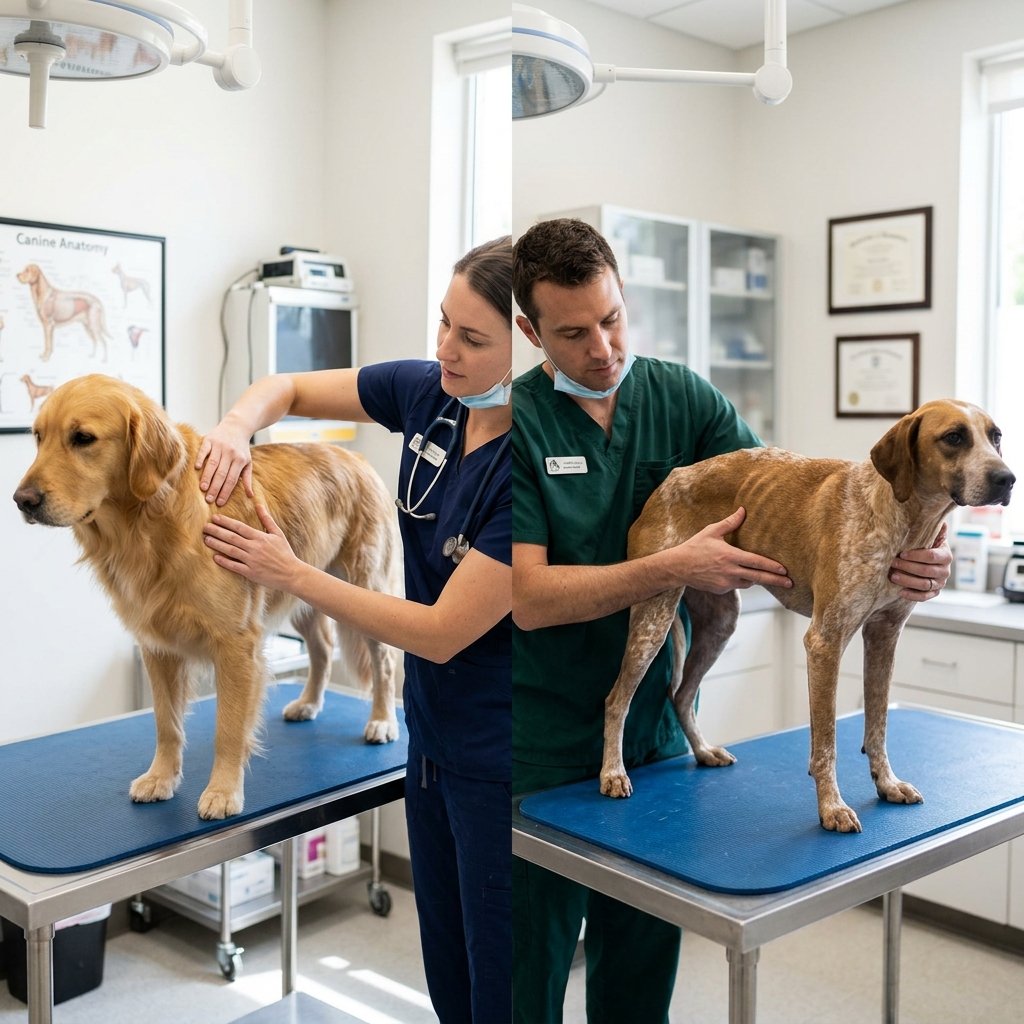
Relying on a bathroom scale alone can sometimes be misleading, especially with dogs who have thick fur coats. Using the Body Condition Score (BCS) system allows you to accurately assess your dog’s physical state at home:
- Rib Check: Gently run your hands along your dog’s sides.
- Overhead View: Look down at your dog from above. You should be able to clearly identify a distinct waistline tucked in behind their ribcage.
- Side Profile: Look at your dog from the side. Their abdomen should tuck upward from the chest toward the hind legs rather than hanging straight down.
READ MORE: Why Is My Dog Vomiting? 9 Common Causes You Should Know
Simple Examples:
- Healthy Dog: Ribs can be easily felt with a gentle touch under a thin layer of fat, but they are not visually prominent or sharp.
- Underweight Dog: Ribs, hips, and spinal bones become sharply noticeable to both touch and sight, often accompanied by a severe abdominal tuck.
Common Reasons Why A Dog Loses Weight While Eating Normally
When a dog maintains a healthy or even voracious appetite yet continues to shed pounds, it usually points to one of several physiological disruptions. Here are the most common culprits.
1. Intestinal Parasites (Worms)
Internal parasites are notorious for causing weight loss in dogs despite a normal or even increased food intake.
- How parasites cause weight loss: Parasites live inside the gastrointestinal tract, where they actively steal vital nutrients directly from the food your dog eats. Furthermore, heavy parasite loads can damage the intestinal lining, preventing proper nutrient absorption and causing chronic digestive distress.
- Common parasites: Roundworms, hookworms, whipworms, and tapeworms are the most frequent offenders in dogs of all ages.
- Symptoms: Alongside unexplained weight loss, infected dogs may experience chronic diarrhea, occasional vomiting, a distended or bloated “worm belly” (especially in puppies), scooting along the floor, and a dull, dry coat.
- When to see a vet: If weight loss persists despite regular feeding, or if you notice blood in your dog’s stool, a veterinary fecal exam is critical. Puppies and senior dogs are especially vulnerable to the severe nutritional depletion caused by worms.
2. Diabetes in Dogs
Canine diabetes is a complex endocrine disorder that fundamentally changes how the body processes energy.
- Why diabetes causes weight loss: In a healthy dog, insulin helps transport glucose (sugar) from digested food into the cells to provide energy. When a dog has diabetes, their body either does not produce enough insulin or cannot use it properly. Because the cells cannot access the glucose, they start starving for energy. In response, the body begins breaking down its own muscle and fat stores for fuel, leading to rapid weight loss. All the while, unused glucose and calories are flushed out through the urine, causing the dog to feel constantly starved.
- Common symptoms: Increased thirst (polydipsia), frequent urination (polyuria), increased appetite (polyphagia), tiredness, and the development of cloudy eyes (cataracts).
- Note: Diabetes is a serious medical condition that requires a formal veterinary diagnosis, bloodwork, and lifelong management, usually involving daily insulin therapy and strict dietary controls.

3. Digestive Problems and Poor Nutrient Absorption
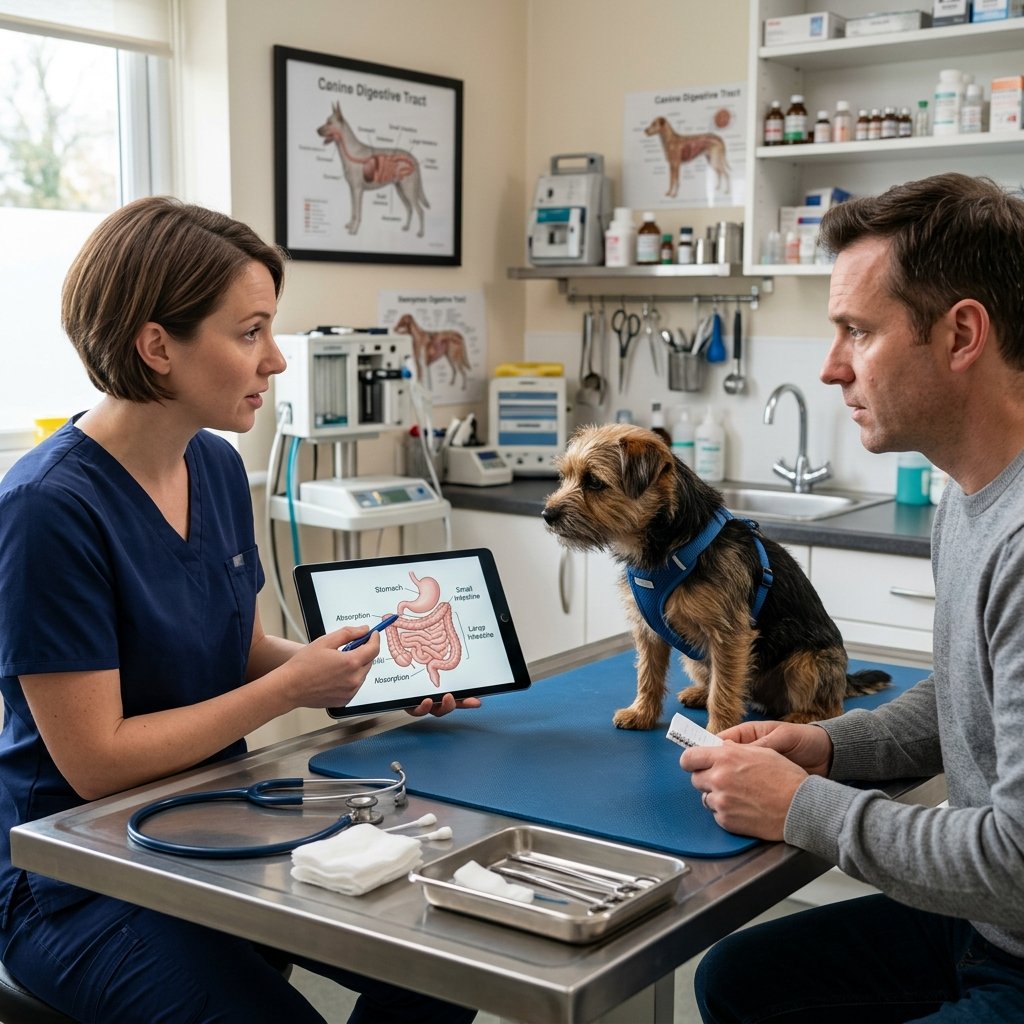
Sometimes a dog is eating plenty of high-quality food, but their gastrointestinal tract is failing to break it down and absorb the nutrients.
- Conditions: Common culprits include Inflammatory Bowel Disease (IBD), chronic intestinal disorders, and Exocrine Pancreatic Insufficiency (EPI).
- Symptoms: Large volumes of stool, chronic or intermittent diarrhea, excessive flatulence, weight loss, and an insatiable appetite because the body is starving for nutrients.
- Explain EPI: In dogs with Exocrine Pancreatic Insufficiency, the pancreas fails to produce the necessary digestive enzymes. As a result, food passes straight through the digestive tract largely undigested, robbing the body of essential building blocks even though the dog is eating heartily.
4. Cancer and Serious Diseases
Certain systemic illnesses and types of cancer significantly increase the body’s metabolic rate, causing rapid, unexplained weight loss.
- How it works: Malignant tumors and chronic inflammatory diseases can release chemicals that alter metabolism and suppress the body’s ability to maintain muscle mass—a condition known as cachexia. In many cases, weight loss is one of the very first noticeable signs before other symptoms appear.
- Possible warning signs: Unexplained lumps or bumps, generalized weakness, subtle appetite changes, persistent vomiting, and unusual behavioral changes.
- Important: Weight loss does not automatically mean your dog has cancer, as many benign and treatable conditions share this symptom. However, any unexplained weight drop deserves a thorough professional evaluation.
5. Dental Problems
Dental disease is painful, yet many dogs will still attempt to eat their regular meals out of instinct or hunger, even when every bite hurts.
- How dental issues affect weight: Severe plaque buildup, gum disease, fractured teeth, or painful oral abscesses make chewing agonizing. A dog may want to eat, but they struggle to consume their full portion, drop food from their mouth, or swallow kibble whole without properly chewing it, leading to reduced calorie intake and subsequent weight loss.
- Signs: Bad breath (halitosis), pawing at the mouth, chewing on only one side of the mouth, dropping food onto the floor, and visibly avoiding hard kibble in favor of softer foods.
6. Increased Exercise or Activity Levels
Not every case of weight loss points to a sinister medical condition. Sometimes, a dog is simply burning more energy than their current meal plan provides.
- Examples: Transitioning to a new, more active walking routine, spending hours playing outdoors in a large yard, adapting to a new dog companion who encourages constant running, or working and sporting breeds that naturally require a higher calorie intake.
- Solution: If your veterinarian rules out underlying medical causes, you can easily resolve this by adjusting your dog’s daily food portions or switching to a higher-calorie performance formula.
7. Poor Quality Diet or Not Enough Calories
Even if a dog cleans their bowl every single day, they may not be receiving the proper balance of nutrition and energy.
- Possible reasons: Feeding a low-calorie or low-quality commercial food, serving incorrect portion sizes based on outdated feeding charts, feeding expired or improperly stored food that has lost its nutritional potency, or dealing with a manufacturer formula change.
- Life stages: Puppies, pregnant or nursing mothers, and working dogs require significantly higher calorie density per cup than senior or sedentary house dogs.
8. Stress and Anxiety
Mental well-being plays a massive role in physical health. Chronic stress and anxiety can wreak havoc on a dog’s internal systems.
- How it affects them: Stress can alter gastrointestinal motility, disrupt metabolic rates, and suppress proper nutrient utilization, even if the dog finishes their meals.
- Triggers: Moving to a new home, the introduction of a new pet or human family member, separation anxiety, or ongoing exposure to loud noises (such as construction or frequent thunderstorms).
- Signs: Restlessness, excessive licking of paws, hiding, trembling, and general behavioral shifts.
Other Symptoms That Appear With Weight Loss
Looking at weight loss in isolation is rarely enough to pinpoint the root cause. Paying attention to concurrent symptoms can give you and your veterinarian vital clues.
| Symptom | Possible Causes |
| Increased thirst | Diabetes, kidney problems |
| Vomiting | Digestive issues, systemic illness |
| Diarrhea | Parasites, intestinal disease, IBD |
| Weakness | Severe illness, nutrient deficiency, anemia |
| Excessive hunger | Diabetes, Exocrine Pancreatic Insufficiency (EPI) |
| Bad breath | Dental problems, oral infections |
| Hair changes | Poor nutrition, hormonal disease, skin disorders |
Combinations of these symptoms matter because they help narrow down the diagnosis. For instance, weight loss paired with increased thirst and frequent urination strongly points toward metabolic issues like diabetes, whereas weight loss paired with chronic diarrhea and a ravenous appetite frequently suggests a malabsorption issue or parasites.
When Should You Take Your Dog to the Vet?
Knowing when to seek professional medical help can make all the difference in your dog’s prognosis.
Seek Immediate Veterinary Attention If:
- Your dog experiences rapid, dramatic weight loss over just a week or two.
- Your dog suddenly loses their appetite entirely alongside the weight loss.
- You notice blood in your dog’s stool or vomit.
- Your dog suffers from repeated, frequent vomiting.
- Extreme thirst and excessive urination appear suddenly.
- Your dog shows signs of difficulty breathing, severe lethargy, weakness, or sudden collapse.
Schedule a Routine Appointment If:
- You notice a slow but continuous, unexplained weight loss over several weeks.
- An older or senior dog is gradually losing weight despite eating normally.
- There is no obvious reason for the weight drop, such as a deliberate change in exercise or food brand.
How Veterinarians Find the Cause of Weight Loss
When you bring an unexplained weight loss case to the vet clinic, the diagnostic process is structured to systematically rule out serious conditions.
Physical Examination
Your veterinarian will perform a thorough physical assessment, checking:
- Body condition score and muscle mass distribution.
- The health of the teeth, gums, and oral cavity.
- Palpating the abdomen to check for organ enlargement, pain, or masses.
Blood Tests
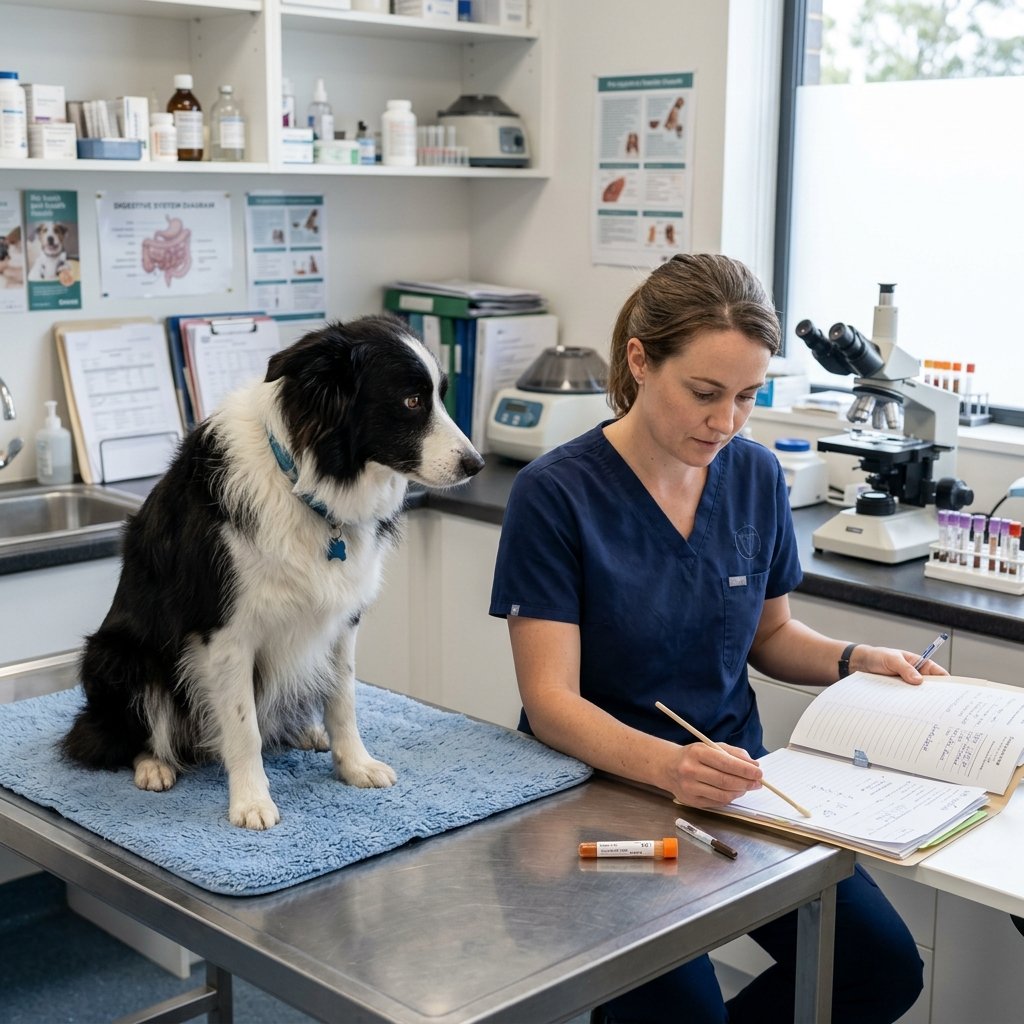
Comprehensive blood panels, including a complete blood count (CBC) and serum chemistry profile, can detect:
- Signs of diabetes (elevated blood glucose).
- Liver, kidney, or pancreatic organ dysfunction.
- Systemic infections, inflammation, or anemia.
Stool Tests
A fecal examination is essential to check for:
- Intestinal parasites like worms and microscopic protozoa (such as Giardia).
- Signs of poor digestive enzyme function.
Imaging Tests
If bloodwork and stool checks do not provide clear answers, your vet may recommend imaging:
- X-rays (Radiographs): To view the chest and abdomen for tumors, organ abnormalities, or structural issues.
- Ultrasound: To get a detailed, non-invasive look at the internal architecture of organs like the liver, pancreas, and intestines.
The exact diagnostic path always depends on your dog’s specific symptoms, age, and medical history.
What You Can Do at Home to Help Your Dog Maintain a Healthy Weight

Proactive home management is a fantastic way to support your dog’s nutritional well-being between veterinary visits.
Track Your Dog’s Weight
- Monthly weighing: Step on a human scale holding your dog, then subtract your own weight, or visit your local vet clinic to use their scale for free.
- Keep records: Maintain a simple logbook or digital note of your dog’s weight over time.
- Take photos: Snap a monthly photo from above and the side to track visual body changes.
Review Their Diet
- Check food quality: Ensure you are feeding a balanced, high-quality commercial diet appropriate for your dog’s life stage.
- Feeding amount: Use a measuring cup rather than eyeballing portions to ensure consistency.
- Calorie check: Verify that the calorie count matches your dog’s actual energy requirements.
Avoid Sudden Food Changes
Switching your dog’s food abruptly can trigger severe digestive upset and refusal to eat. Always transition to a new food gradually over a period of 7 to 10 days by slowly increasing the ratio of the new food to the old food.
Schedule Regular Vet Checkups
Routine wellness exams catch subtle health changes long before they become major crises. This is especially critical for:
- Senior dogs entering their golden years.
- Dogs managing chronic conditions like arthritis, allergies, or kidney disease.
Frequently Asked Questions (FAQ)
Why is my dog losing weight but still hungry?
When a dog is hungry all the time but losing weight, it usually means their body is not successfully converting food into usable energy or nutrients. Conditions like diabetes, intestinal parasites, and malabsorption disorders such as EPI force the body into a starvation state, driving up appetite while the physical body wastes away.
Can worms cause a dog to lose weight while eating normally?
Yes. Intestinal parasites live off the food your dog consumes inside the digestive tract, essentially stealing vital nutrients before your dog’s body can absorb them.
Is weight loss always a sign of cancer in dogs?
No. While serious diseases like cancer can cause unexplained weight loss, many other common, highly treatable conditions—ranging from dental pain and mild parasites to dietary imbalances and stress—can also cause a dog to drop pounds.
How can I help my underweight dog gain weight?
The first step is always a veterinary evaluation to treat any underlying medical condition. Once cleared by your vet, you can transition to a higher-calorie diet, establish a consistent feeding schedule, or introduce vet-approved meal toppers.
Should I increase my dog’s food if they are losing weight?
While increasing food portions can help if the weight loss is purely due to high activity or insufficient calorie intake, you should never blindly increase food without identifying the root cause first. If an underlying issue like diabetes or organ disease is present, simply feeding more food will not solve the problem.
How quickly is too much weight loss for a dog?
Any noticeable weight loss occurring over the span of a few weeks without an intentional diet plan is a red flag. Rapid drops in body weight always warrant prompt veterinary investigation.
Final Thoughts: Don’t Ignore Unexplained Weight Loss in Dogs
Dogs can and do lose weight even when they maintain a healthy, enthusiastic appetite. Because the causes range from simple adjustments in daily calorie needs to serious, progressive health conditions, it is a symptom that should never be brushed aside. Early detection vastly improves treatment outcomes, preserves muscle mass, and spares your companion unnecessary discomfort. Monitor your dog’s physical changes closely, keep track of their weight, and contact your veterinarian if the weight loss continues.
Your dog’s weight is one of the best indicators of overall health, and noticing changes early can help protect their quality of life.