
Seeing your dog suddenly shake can be scary. One moment they may be relaxing normally, and the next they are trembling, shivering, or shaking their entire body. As a pet parent, your immediate instinct is likely worry. Is your furry friend freezing? Are they scared? Or is it a sign of something much more serious hidden beneath the surface?
It helps to know that occasional shaking can be completely harmless. Dogs experience physical and emotional responses just like humans do. Common benign triggers include:
- Feeling cold
- Excitement
- Stress
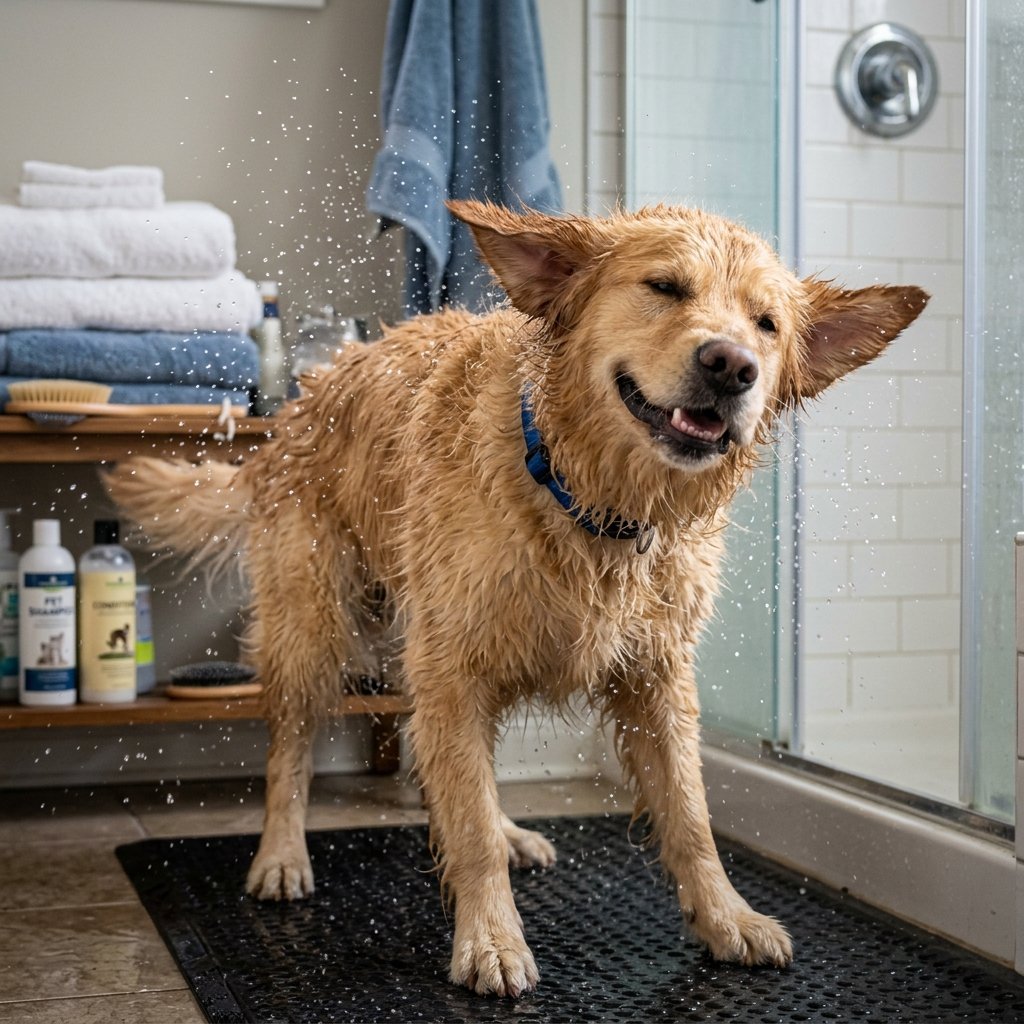
- After a bath
- Dreaming during sleep
However, repeated or unexplained shaking may point to deeper underlying issues such as pain, anxiety, illness, poisoning, or neurological problems. Understanding the reason behind shaking helps owners decide whether they can comfort their dog at home safely or need to schedule an immediate visit with a veterinarian.
READ MORE : Why Is My Dog Drinking So Much Water? 10 Warning Signs
Why Is My Dog Shaking? Common Reasons Explained
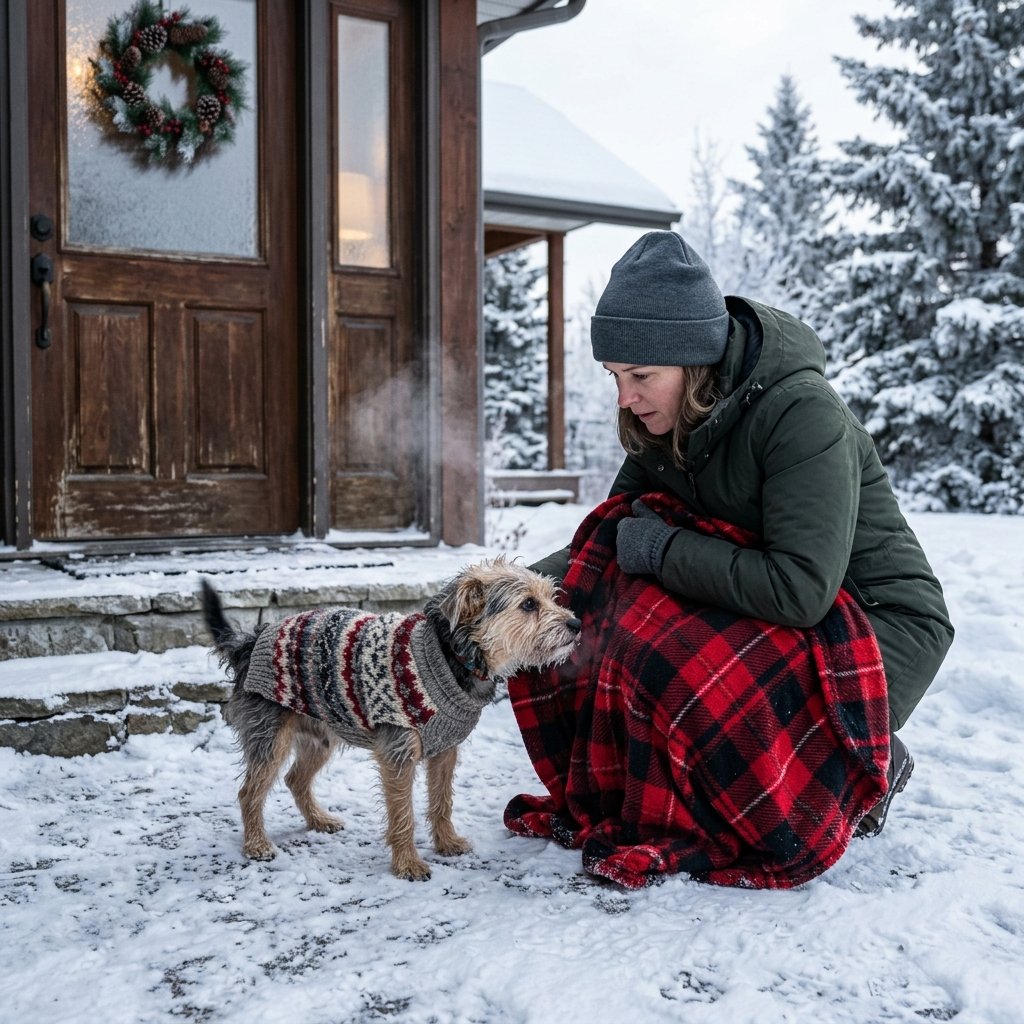
1. Your Dog Is Cold or Trying to Warm Up
Just like humans, dogs shiver when the ambient temperature drops. Shivering is the body’s involuntary muscular response designed to generate internal heat and raise core body temperature.
Certain dogs are far more susceptible to the cold than others. Small breeds with low body fat—such as Chihuahuas, Greyhounds, and Miniature Pinschers—lose heat very rapidly. Similarly, puppies and senior dogs struggle more with thermoregulation because their bodies are either still developing or losing metabolic efficiency.
You will commonly notice shivering:
- After being outside in winter weather
- After swimming in a lake, pool, or ocean
- Immediately after a bath before their coat is fully dry
Tips to help: Provide immediate warmth by moving your dog indoors, wrapping them in a cozy blanket, or drying their wet fur thoroughly with a towel or low-heat hair dryer. Dog sweaters and coats can also make a significant difference during winter walks for sensitive breeds.
2. Fear, Stress, or Anxiety
Emotional states are a frequent catalyst for trembling. Dogs experience psychological stress just like people do, and adrenaline rushes can manifest physically as shaking.
Common emotional triggers include:
- Thunderstorms and heavy rain
- Fireworks and loud neighborhood noises
- Unfamiliar environments or veterinary clinics
- Car rides and motion sickness
- Separation anxiety when left alone
Signs that shaking is anxiety-related include heavy panting, hiding under furniture, whining, a tucked tail, and restless pacing.
How owners can help: Create a quiet, designated safe space where your dog can retreat. Stay calm yourself—dogs easily pick up on human energy—and use comforting, positive reinforcement without coddling excessively, which can inadvertently validate their fear.
READ MORE : Dog Sleeping More Than Usual? Important Reasons & Warning Signs
3. Excitement or Overstimulation
Not all shaking comes from a negative place. High levels of happy anticipation can flood a dog’s nervous system with energy, causing temporary tremors.
You might see this when:
- You return home after a long day at work
- You grab their leash for a walk
- They are about to receive a high-value treat
- They meet a favored human or canine companion
Excitement shaking is usually short-lived, stopping almost as quickly as it started once the dog burns off the initial burst of adrenaline or settles down.
4. Your Dog Is Wet or After a Bath
Have you ever watched a dog emerge from water and vigorously shake from nose to tail? This is a finely tuned evolutionary survival mechanism.
Dogs shake to rapidly remove water from their dense coats. In fact, physics studies show that a medium-sized dog can shed roughly 70 percent of trapped water from its fur in just a fraction of a second by oscillating its skin at precise frequencies.
While normal, pay attention if your dog continues excessive shaking long after grooming. This can sometimes indicate skin irritation, ear infections triggered by trapped water, or a reaction to a harsh shampoo.

Medical Reasons Why Dogs Shake or Tremble
5. Pain or Injury
Dogs are stoic animals by nature, often hiding their suffering to protect themselves from perceived vulnerability. Because they cannot tell us where it hurts, shaking is frequently their primary physical expression of discomfort.
Possible underlying causes include:
- Joint pain and hip dysplasia
- Muscle strains or soft tissue injuries
- Advanced arthritis in senior dogs
- Internal pain or gastrointestinal distress
- Dental pain and severe tooth decay
Other accompanying signs of pain include limping, avoiding movement, reluctance to jump onto the couch, whimpering, and sudden changes in appetite or temperament.
6. Low Blood Sugar (Hypoglycemia)
Hypoglycemia occurs when blood glucose levels drop dangerously low, depriving the brain and muscles of necessary energy. This can trigger sudden weakness, disorientation, and trembling.
It is particularly common in:
- Toy and small dog breeds (such as Yorkshire Terriers and Pomeranians)
- Very young puppies with immature metabolic systems
- Dogs with underlying metabolic disorders like diabetes or insulinomas
Symptoms include profound weakness, confusion, shaking, wobbliness, and extreme sleepiness. Severe hypoglycemic episodes are a medical emergency requiring immediate veterinary attention and rapid administration of a glucose source like Karo syrup under veterinary guidance.
7. Fever or Illness
When a dog’s immune system mounts a defense against an invading pathogen, body temperature rises. Much like humans with the chills, dogs with fevers often shiver and shake while fighting off infection.
Possible illnesses include:
- Respiratory infections (such as kennel cough)
- Gastrointestinal viruses or bacterial infections
- Inflammatory conditions or immune-mediated diseases
Additional signs of illness include loss of appetite, lethargy, warm ears or nose, vomiting, diarrhea, and dull eyes.
8. Poisoning or Toxic Exposure
Sudden, severe shaking is one of the most critical warning signs of toxin ingestion. If your dog begins trembling out of nowhere accompanied by distress, you must act quickly.
Common household toxins include:
- Chocolate, coffee, and caffeine products
- Xylitol (found in sugar-free gum, peanut butter, and baked goods)
- Human medications (such as ibuprofen, acetaminophen, or antidepressants)
- Household cleaning chemicals and rodenticides
- Toxic plants like lilies, azaleas, and sago palms
Emergency signs of poisoning include severe tremors, excessive drooling, vomiting, loss of coordination, trouble walking, and seizures. Advise immediate veterinary help or contact an animal poison control center right away.
9. Neurological Problems
Some forms of shaking originate deep within the central nervous system. These issues affect how the brain communicates muscle control to the rest of the body.
Possible causes include:
- Idiopathic head tremors (common in breeds like Dobermans and Boxers)
- Generalized tremor syndrome (white shaker dog syndrome)
- Epileptic seizures or focal tremors
- Vestibular disease affecting balance
- Age-related neurological degeneration
Signs of neurological shaking often involve a loss of balance, head tilting, disorientation, abnormal eye movements, and rhythmic muscle twitching that the dog cannot control.
10. Age-Related Trembling
As dogs enter their golden years, their bodies undergo natural wear and tear. Senior dogs frequently develop mild, chronic trembling, especially in their hind legs.
Senior shaking is often caused by:
- Progressive muscle weakness and atrophy
- Advanced joint stiffness and arthritis
- Reduced nerve conduction velocity
- Age-related cognitive decline (canine cognitive dysfunction)
Older dogs require closer monitoring and regular veterinary checkups to ensure age-related discomfort is properly managed with pain relief, joint supplements, or physical therapy.
Why Is My Dog Shaking While Sleeping?
It is very common for pet parents to peer over at their sleeping dog and notice their paws twitching, whiskers quivering, or body gently trembling. In the vast majority of cases, this is completely normal and harmless.
The Science of Sleep Tremors
Dogs experience distinct sleep cycles, including Rapid Eye Movement (REM) sleep, which is when dreaming occurs. During REM sleep, the brain actively processes the events of the day. Although a specialized brain region called the pons usually paralyzes major muscle groups to keep animals from acting out their dreams, minor twitches, shivers, and trembling still slip through.
Signs It Is Probably Harmless:
- Your dog wakes up smoothly when called.
- Their behavior returns to normal immediately after waking.
- There are no signs of pain, distress, or disorientation.
When Sleeping Tremors May Need Attention:
Contact your veterinarian if the sleeping episodes involve violent thrashing, a rigid or stiff body posture that persists upon waking, complete loss of awareness, or difficulty waking up. These can be indicators of nocturnal seizures rather than normal dreaming.
Why Is My Dog Shaking But Acting Normal?
One of the most frequent puzzles for pet owners is discovering that their dog is shaking yet eating eagerly, playing fetch, wagging their tail, and otherwise acting completely normal.
When your dog’s spirit is bright but their body is shivering, possible reasons include:
- Mild excitement or anticipation: A low-humming buzz of energy waiting for dinner or a walk.
- Ambient temperature drop: They may simply be a bit chilly in a drafty room.
- Subtle stress: A distant sound or minor environmental shift that isn’t terrifying enough to make them hide, but enough to trigger slight tension.
- Breed tendency: Certain dogs simply have high metabolic rates and twitchy dispositions.
What to do: Monitor the frequency and patterns. Ask yourself: When does the shaking happen? How long does it last? Is anything triggering it? If it stops quickly and your dog remains vibrant and energetic, it is likely nothing to fear.

When Should You Worry About Your Dog Shaking?
Knowing when to draw the line between a quirky behavioral trait and a medical crisis is vital for every pet parent.
Seek Veterinary Help Immediately If Your Dog Has Emergency Warning Signs:
- Severe or continuous shaking that does not stop
- Seizure-like movements or loss of consciousness
- Difficulty breathing or labored respiration
- Sudden collapse or inability to stand
- Suspected or known poison exposure
- Extreme weakness, lethargy, or pale/blue gums
Schedule a Vet Visit If:
- The shaking keeps returning day after day.
- Your dog seems painful when touched or moved.
- There are noticeable changes in appetite or water consumption.
- Behavioral shifts occur, such as unusual aggression or withdrawal.
- Unexplained weight loss accompanies the trembling.
How To Help a Shaking Dog at Home
If your dog is experiencing mild, non-emergency shaking due to cold or minor stress, you can take safe steps to help them settle.
Safe Steps:
- Keep Your Dog Comfortable: Move them to a quiet, dimly lit area away from high-traffic household zones.
- Provide Warmth: Wrap them in a soft blanket or place a warm (not hot) water bottle wrapped in a towel nearby.
- Reduce Stress Triggers: Turn down loud music or television, close blinds to block frightening outdoor sights, and speak in a soothing, gentle tone.
- Check for Possible Causes: Calmly observe their recent activities, check for new foods they might have accessed, and inspect them gently for signs of physical injury.
What to Avoid:
- Never give human medications: Drugs like ibuprofen or aspirin are highly toxic to dogs and can cause fatal internal bleeding.
- Never ignore repeated shaking: If trembling persists daily, hope is not a strategy; professional evaluation is required.
- Never force movement: If your dog is shaking from pain or fear, dragging them or forcing them to walk can worsen injuries or escalate panic.
Dog Breeds More Likely to Shake or Tremble
While any dog can experience shaking due to health issues or environmental factors, certain breeds are genetically predisposed to trembling more than others.
Breeds commonly known for shaking include:
- Chihuahua
- Yorkshire Terrier
- Maltese
- Italian Greyhound
- Toy Poodle
Why Small Breeds Shake More:
Small and toy breeds frequently shake due to a combination of physical and metabolic factors. They possess a much higher surface-area-to-mass ratio, meaning they lose body heat significantly faster than larger dogs. Furthermore, their rapid metabolisms can drop blood sugar levels quicker, and their sensitive nervous systems make them prone to excitement- or anxiety-induced tremors.
Keep in mind that while small companion breeds have a reputation for being “shakers,” any dog breed can experience shaking when underlying health or emotional triggers arise.
Frequently Asked Questions (FAQ)
Why is my dog shaking but not acting sick?
This is usually caused by mild excitement, a slightly chilly environment, low-level stress, or a natural breed tendency. If your dog is eating, playing, and behaving normally without other symptoms, monitor the frequency, but it is typically harmless.
Why does my dog shake after waking up?
Waking tremors are often the result of stretching, muscle activation after sleep, lingering dream movements, or feeling a bit cold upon waking up in a cool room.
Why is my old dog shaking?
Senior dogs frequently shake due to age-related muscle weakness, joint pain from arthritis, reduced nerve function, or cognitive decline. If your older dog is shaking regularly, a vet visit can help establish a pain-management plan.
Can anxiety cause dogs to shake?
Yes. Stress hormones like adrenaline flood a dog’s system during fearful events like thunderstorms, fireworks, or vet visits, causing visible trembling and muscle tension.
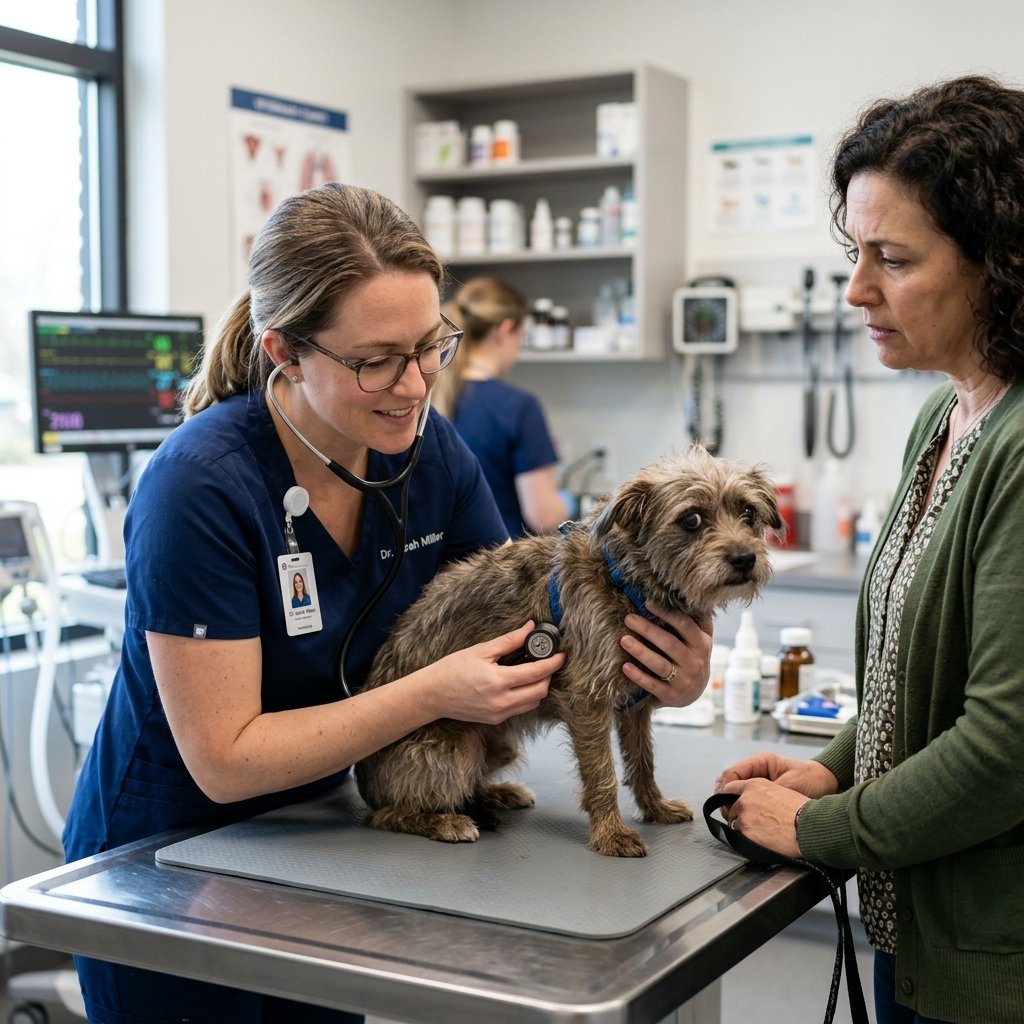
Should I take my dog to the vet for shaking?
It depends entirely on the severity, duration, and accompanying symptoms. Occasional harmless shivering does not require a vet, but continuous shaking, pain signs, or emergency symptoms warrant immediate professional care.
How can I calm my shaking dog?
Provide a warm, quiet, and secure space, speak in a reassuring voice, remove any stress triggers from the environment, and offer gentle comfort without reinforcing panicked behavior. Seek professional help if the shaking persists.
Key Takeaways
- Dogs shake for many reasons, ranging from simple excitement and cold weather to serious underlying health problems.
- Occasional trembling may be entirely normal, especially during cold weather, post-swim drying, or mild stress.
- Sudden or severe shaking accompanied by other physical symptoms always requires veterinary attention.
- Understanding your dog’s typical behavior and watching closely for subtle changes helps identify medical and emotional problems early.
Conclusion
A shaking dog does not always mean something is catastrophically wrong, but trembling should never be ignored when it is unusual, persistent, or accompanied by other signs of distress.
Take time to observe patterns in your dog’s behavior: When does the shaking happen? How long does it last? Are there other symptoms like lethargy, panting, or limping?
Knowing your dog’s normal behavior is one of the very best ways to recognize when something needs attention. If shaking seems unusual or out of character, a trusted veterinarian can help determine the underlying cause and provide the right care to get your companion feeling comfortable and secure again.