
Dogs are known for sleeping a lot, but when your normally active dog starts sleeping all day, it can make any pet parent concerned. While our canine companions naturally spend a significant portion of their lives resting, sudden changes in their sleep habits may indicate something worth paying attention to.
Most adult dogs sleep around 12–14 hours per day, while puppies, senior dogs, and some breeds may sleep even more. A sudden increase in sleeping can be caused by normal factors like age, activity level, or weather, but it may also signal illness or discomfort. Understanding the difference between normal rest and excessive sleeping requires looking at the whole picture—including appetite, energy levels, behavior, and physical symptoms.
How Much Sleep Do Dogs Normally Need?
Average Sleep Hours by Dog Age
To determine whether your dog is sleeping too much, it helps to understand what is biologically normal for different life stages:
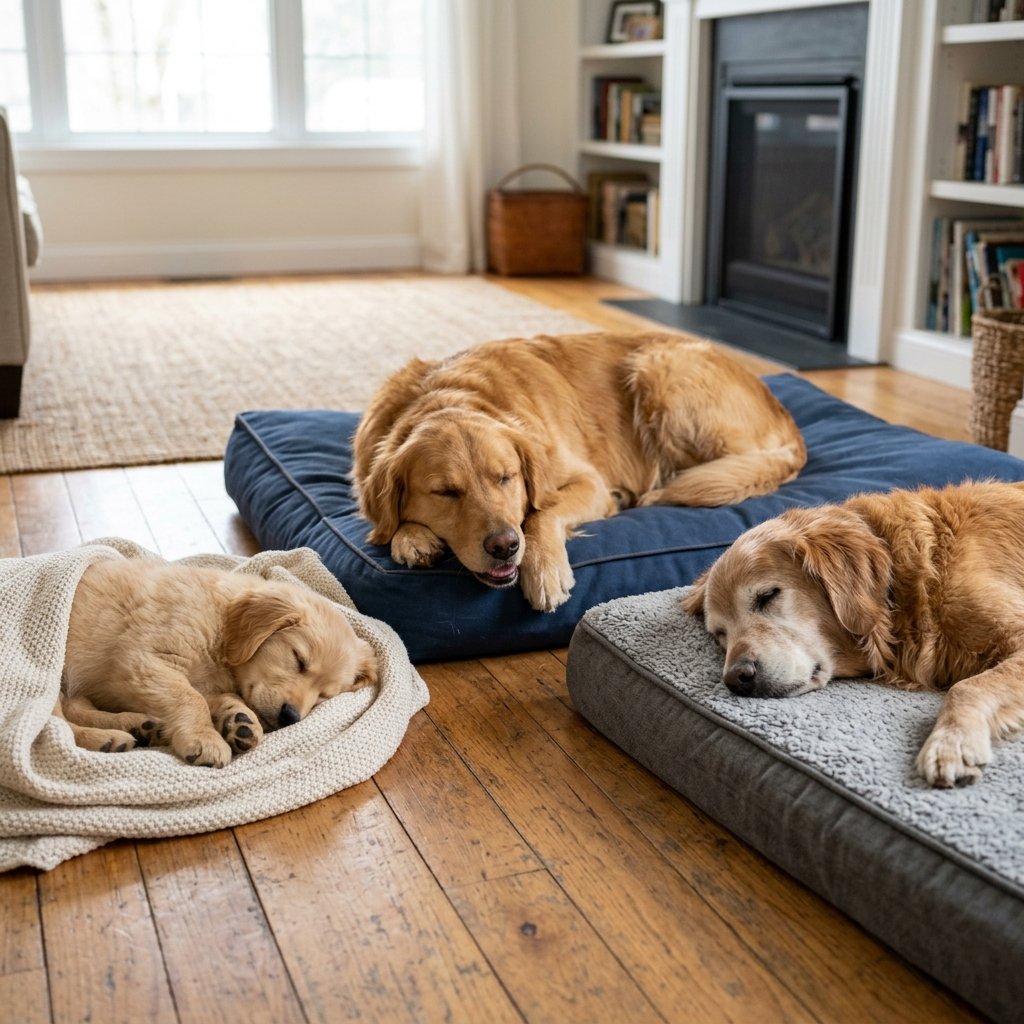
- Puppies (18–20 hours per day): Puppies experience rapid physical growth and brain development. All that hard work requires an immense amount of rest to support their growing bodies.
- Adult Dogs (12–14 hours per day): Healthy adult dogs generally split their time between activity and rest. The exact number depends heavily on breed, daily exercise routines, and household lifestyle.
- Senior Dogs (14–18 hours per day): As dogs enter their golden years, a natural decrease in energy, slower metabolism, and longer recovery times lead to extended periods of rest.
Why Dogs Sleep More Than Humans
Humans typically sleep in long, consolidated blocks of roughly 7 to 9 hours. Dogs, on the other hand, operate quite differently. Canines have much shorter sleep cycles and spend a large portion of their resting time in light sleep rather than deep REM sleep. Because they transition easily from alertness to rest, they require more total hours to achieve the physical and mental restoration they need. This polyphasic sleep pattern is also an evolutionary trait passed down from wild ancestors who conserved energy between hunting and foraging tasks.
READ MORE : Dog Not Eating? 7 Proven Reasons & Simple Solution
Is My Dog Sleeping Too Much or Is It Normal?
Signs Your Dog’s Sleep Pattern Is Normal
Rest is a healthy and essential part of your dog’s daily routine. You can generally assume your dog’s sleep is normal if they exhibit the following behaviors:
- They sleep soundly after long walks, hikes, or vigorous play sessions.
- They wake up bright-eyed and excited when it is time for food, walks, or interactive play.
- They maintain a healthy, consistent appetite.
- They still actively seek out affection and engagement with family members.
- They show no other unusual physical or behavioral symptoms.
Signs Your Dog May Be Sleeping Too Much
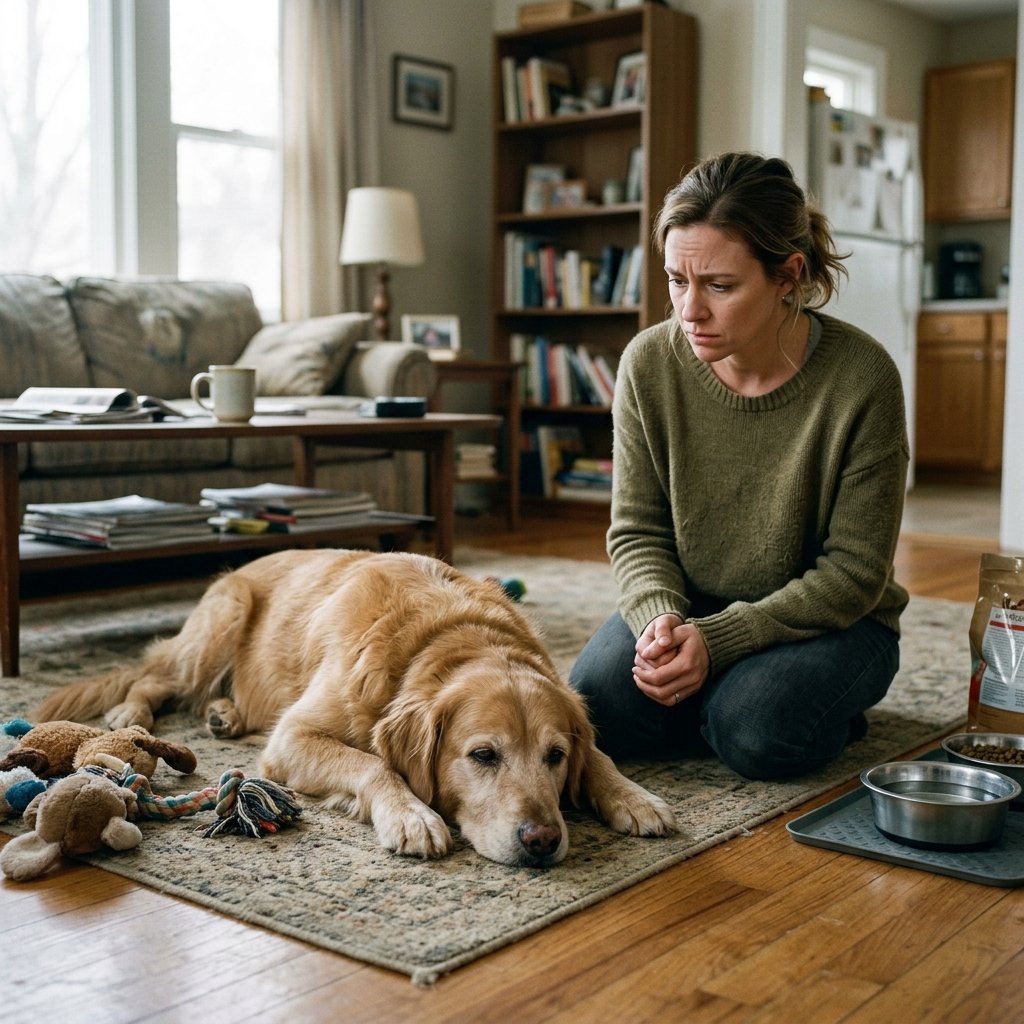
On the other hand, sleep can cross the line from healthy rest to a red flag. Watch out for these warning signs:
- Your dog is suddenly sleeping several extra hours every day without a clear lifestyle trigger.
- They are sluggish and unusually hard to wake up.
- They show a total lack of interest in favorite toys, walks, or games.
- They seem less playful and detached from household activities.
- They choose to sleep instead of eating or drinking.
- They begin hiding in closets, under beds, or in unusual, isolated areas of the home.
Common Reasons Why Your Dog Is Sleeping More Than Usual
1. Your Dog Is Getting Older
Aging naturally slows dogs down. As dogs transition into their senior years, their bodies undergo structural and metabolic changes. Joint stiffness, reduced muscle mass, and lower baseline energy levels mean they need significantly more recovery time after minor physical efforts. While normal aging brings a gradual increase in resting time, a sudden and dramatic drop in activity warrants a closer look.
2. Your Dog Is Recovering From Physical Activity
If your dog spent the afternoon running at the dog park, tackling a long hiking trail, or engaging in intensive obedience training, their body will demand extra rest. Just like humans experience muscle fatigue and soreness after a heavy workout, dogs utilize deep sleep to repair muscle fibers and replenish energy reserves. This type of sleep increase is temporary and usually resolves within 24 hours.
3. Weather Changes
Barometric pressure, temperature, and humidity heavily influence canine behavior. Hot summer weather can easily drain a dog’s energy, causing them to lounge lazily in air-conditioned spaces to stay cool. Conversely, cold winter days or dreary, rainy afternoons often prompt dogs to curl up indoors and sleep the day away, mirroring human tendencies on cozy days.
4. Stress or Anxiety
Dogs are sensitive creatures that thrive on routine and predictability. When their environment is disrupted, they may retreat into sleep as a coping mechanism. Common stressors include moving to a new home, the introduction of a new human or pet family member, construction noise, loud thunderstorms, or unexpected schedule changes. Alongside excessive sleeping, stressed dogs may display hiding behaviors, subtle appetite changes, or baseline restlessness.
5. Your Dog Is Bored
A lack of mental and physical stimulation can make a dog feel listless and unmotivated. If nothing interesting is happening in their environment and they lack engaging toys or adequate daily exercise, dogs will often default to sleeping simply because there is nothing better to do. Combatting boredom requires interactive puzzle toys, scent games, varied walking routes, and positive reinforcement training.
6. Diet and Nutrition Problems
Poor nutrition directly impacts a dog’s vitality. Feeding a low-quality commercial food, failing to provide enough caloric intake, or making sudden, uncoordinated changes to their diet can leave a dog nutritionally depleted. Nutrient deficiencies rob dogs of their natural stamina, leading to persistent lethargy. Always consult a veterinarian before making drastic alterations to your dog’s dietary routine.
READ MORE : Why Is My Dog Drinking So Much Water? 10 Warning Signs
Medical Reasons Why Your Dog Is Sleeping More Than Usual
1. Infections or Illness
When a dog’s immune system actively fights off a viral or bacterial infection, the body redirects immense energy toward healing, causing profound fatigue. Conditions such as respiratory infections, kennel cough, or gastrointestinal bugs leave dogs feeling wiped out. Watch closely for accompanying symptoms like a loss of appetite, vomiting, diarrhea, coughing, or nasal discharge.
2. Pain or Discomfort
Dogs are notoriously stoic and will often go to great lengths to hide physical pain. Whether they are suffering from chronic osteoarthritis, a hidden soft-tissue injury, or severe dental decay, the underlying discomfort taxes their system and disrupts normal rest cycles. Signs that pain is causing the extra sleep include reluctance to climb stairs, noticeable limping, stiffness when rising, or a general disinterest in movement.
3. Thyroid Problems (Hypothyroidism)
Hypothyroidism is a common endocrine disorder in dogs, particularly in middle-aged to older medium and large breeds. When the thyroid gland fails to produce enough metabolic hormones, the dog’s entire bodily engine slows down. Beyond low energy and increased sleeping, affected dogs frequently exhibit weight gain, dry or thinning fur, recurrent skin infections, and a notable intolerance to cold environments.
4. Diabetes
Canine diabetes affects the body’s ability to regulate blood sugar properly, depriving cells of necessary fuel. Without adequate cellular energy, dogs experience severe fatigue and weakness. If your dog’s extra sleep is accompanied by increased thirst, frequent urination, unexplained weight changes, or a ravenous appetite alongside weight loss, diabetes should be suspected and evaluated by a professional.
5. Heart Problems
Heart conditions, such as canine congestive heart failure or cardiomyopathy, diminish the cardiovascular system’s efficiency at pumping oxygen-rich blood throughout the body. Because tissues receive less oxygen, stamina plummets. Warning signs of a cardiac issue include sleeping significantly more, persistent coughing, labored or rapid breathing, and a drastic reduction in exercise tolerance.
6. Medication Side Effects
If your dog has recently started a new pharmaceutical regimen, drowsiness may simply be an expected side effect. Many common prescription drugs—including certain pain management medications, anti-anxiety treatments, anti-seizure drugs, and antihistamines used for allergies—cause varying degrees of lethargy as the body adjusts. Review medication inserts and discuss persistent sedation with your prescribing veterinarian.
Why Is My Puppy Sleeping So Much?
Puppies are notorious for packing a massive amount of sleep into every 24-hour cycle, often logging 18 to 20 hours a day. This high volume of rest is entirely normal and biologically critical.
During sleep, a puppy’s pituitary gland releases growth hormones that drive skeletal and muscular development. Their rapidly expanding brains are also hard at work organizing memories, processing new sights and sounds, and building neural pathways from daily socialization.
However, you should worry if your puppy’s heavy sleeping is paired with warning signs like a refusal to eat, profound physical weakness, vomiting, diarrhea, or an inability to be roused easily.
Why Is My Senior Dog Sleeping More?
Older dogs naturally shift into a slower gear, spending the majority of their day resting. This is driven by a natural decline in metabolic rate, reduced muscle mass, age-related sensory losses, and underlying joint discomfort like arthritis.
A healthy senior dog will sleep more hours in a day but will still maintain a bright personality, greeting you at the door and engaging happily in gentle play or modified walks. Conversely, you should consult a vet if you notice sudden personality shifts, signs of cognitive dysfunction (confusion or pacing), acute pain, or a sudden drop in appetite.
When Should I Worry About My Dog Sleeping More?
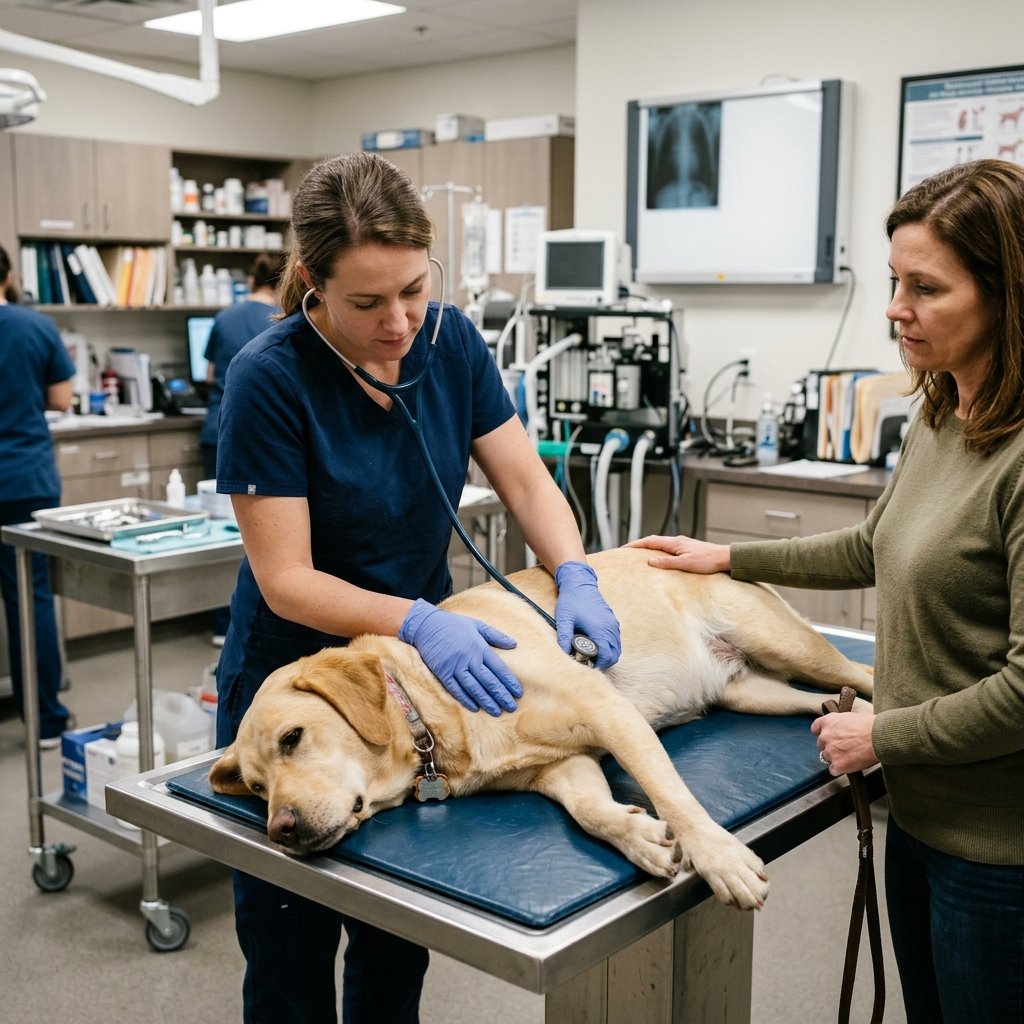
While a temporary increase in rest after an active day is harmless, certain red flags require immediate veterinary attention. Call your veterinarian if your dog experiences:
- Sudden, unexplained extreme tiredness
- Difficulty waking up or lack of responsiveness
- A total loss of appetite or refusal to drink water
- Trouble breathing, coughing, or labored respiration
- Accompanying vomiting or diarrhea
- Rapid, unexplained weight loss
- Obvious signs of physical pain or distress
- Drastic behavioral changes, aggression, or confusion
Remember, a single shift in sleep duration may not be an emergency on its own, but when combined with systemic physical symptoms, it is a vital indicator that your dog needs medical evaluation.
How to Help Your Dog Maintain Healthy Energy Levels
Provide Regular Exercise
Consistent, age-appropriate physical activity keeps muscles toned, joints lubricated, and spirits high. Tailor walks and play sessions to your dog’s specific breed, age, and physical condition.
Give Mental Stimulation
Physical exercise is only half the battle. Engage your dog’s brain daily through interactive training sessions, food-dispensing puzzle feeders, snuffle mats, and new games that challenge their cognitive abilities.
Maintain a Healthy Diet
Feed your dog a balanced, high-quality commercial or veterinarian-approved diet in appropriate portions. Sticking to a regular feeding schedule supports steady metabolism and consistent daily energy.
Schedule Regular Vet Checkups
Preventative wellness exams allow your veterinarian to catch underlying conditions—such as thyroid imbalances, early arthritis, or heart murmurs—long before they drain your dog’s vitality.

Frequently Asked Questions (FAQ)
Why is my dog sleeping all day but eating normally?
If your dog is eating with enthusiasm and behaving normally when awake, the extra sleep is frequently driven by boredom, mild environmental stress, weather shifts, or a temporary need for recovery after physical exertion.
How many hours should a dog sleep per day?
Healthy adult dogs typically sleep between 12 and 14 hours over a 24-hour period. Puppies and senior dogs require significantly more, often ranging anywhere from 14 to 20 hours daily.
Is it normal for dogs to sleep more as they age?
Yes. As dogs grow older, their energy levels naturally decline, metabolism slows, and they require longer recovery periods, making increased sleep a normal part of the aging process.
Why is my dog suddenly tired and not himself?
Sudden, uncharacteristic lethargy is often the body’s first response to an underlying illness, acute pain, high stress levels, or a reaction to a recent change in their environment.
Should I wake my dog if he sleeps too much?
Unless you suspect a medical emergency or need to administer scheduled medication, it is generally best to let sleeping dogs lie. Monitor their behavior and waking periods rather than constantly disturbing their rest.
Conclusion
Dogs naturally sleep a lot, and an extra hour of rest here and there is rarely a cause for alarm. Extra sleep is not always a problem; however, sudden, unexplained changes combined with secondary physical symptoms should never be ignored. Always pay close attention to your dog’s appetite, energy levels, behavior, and overall physical health.
Knowing your dog’s normal habits is one of the best ways to notice when something changes, ensuring you can provide the care and medical attention they need to live a long, happy, and healthy life.