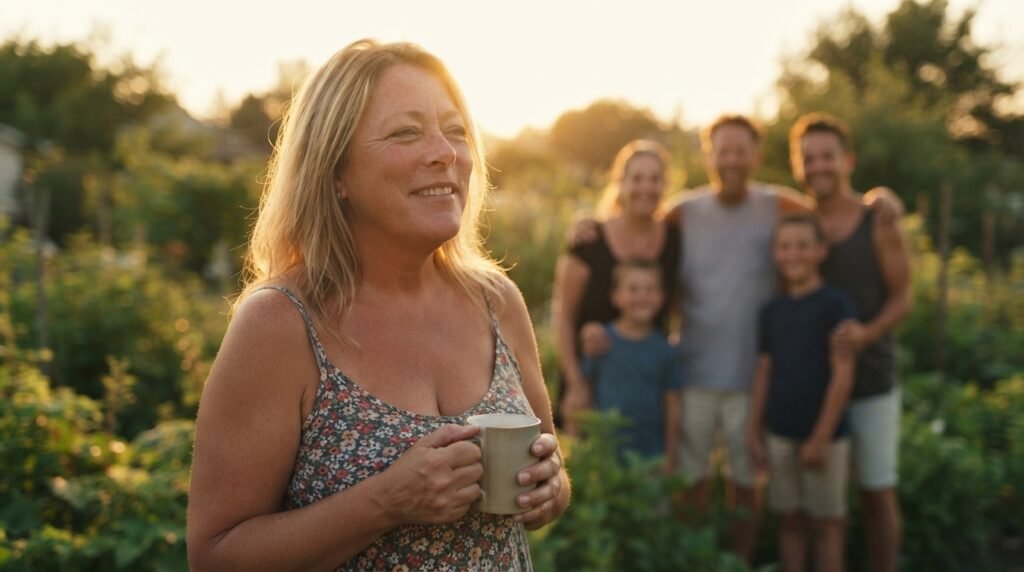
The Holiday That Changed Everything
The grocery cart was already overflowing, and I hadn’t even reached the meat aisle yet.
I stood there staring at the growing pile — burger patties, hot dog buns, three bags of chips, two watermelons, a case of soda — and did quick math in my head about how much this “small family BBQ” was about to cost me. Again.
My backyard had never looked better. I’d spent the entire week trimming the hedges, setting up the string lights, scrubbing the patio furniture until it gleamed. This countryside home wasn’t just a house to me — it was five years of hard work, late nights, and sacrifices my husband Daniel and I had made together. Every fence post, every flower bed, every inch of that yard held a memory.
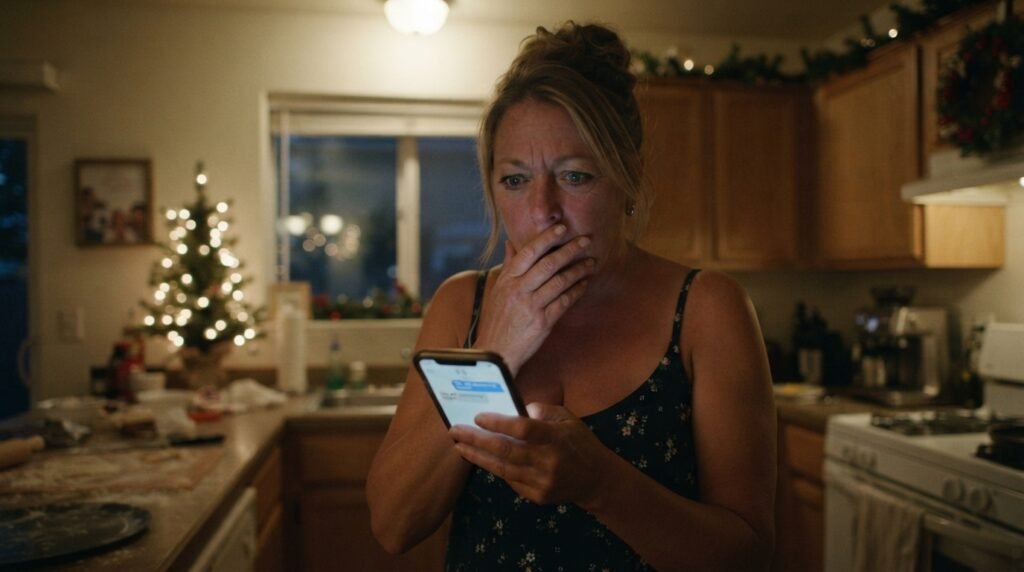
That’s exactly why it stung so much when my phone buzzed with a text from my mother-in-law, Vivian.
“We’re bringing everyone this weekend. Hope that’s okay!”
No question mark that meant anything. No actual request. Just an announcement, dropped into my life like a stone into calm water.
I stood in the middle of the grocery store, staring at that message, and something inside me finally shifted. This wasn’t the first time. It wasn’t even the tenth time. But somehow, in that fluorescent-lit aisle, surrounded by a cart full of food I hadn’t budgeted for, I realized I was done.
Done being the unpaid host of a resort I never agreed to run.
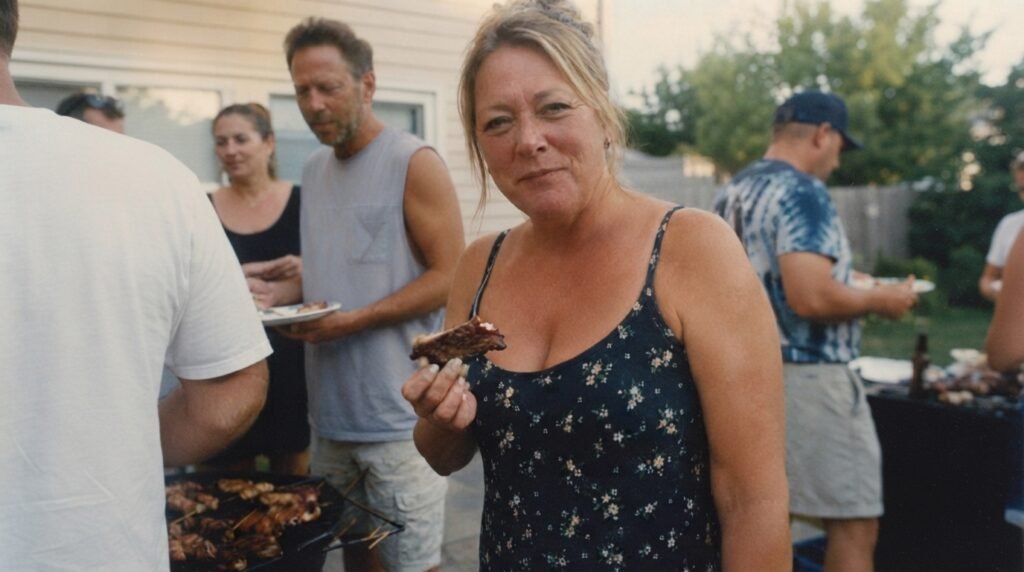
Introducing the Family Dynamics
To understand why that one text message hit so hard, you need to understand the family behind it.
My name is Emma Carter. I’m thirty-five, and my husband Daniel and I live on a small countryside property we bought together after years of saving. I work full-time and manage most of our household, and if I’m honest, I love hosting. There’s something about a table full of food and people I care about that fills me up. I just wanted that love to be returned — not taken for granted.
Daniel Carter, my husband, is a good man. He’s kind, hardworking, and deeply loyal to the people he loves. But if there’s one thing Daniel struggles with, it’s conflict. Whenever I brought up an issue with his family, his answer was almost always the same:
“That’s just how Mom is.”
He didn’t mean harm by it. He genuinely believed that acceptance was the same as peace. What he didn’t see — or didn’t want to see — was the quiet toll it was taking on me.
Then there’s Vivian Parker, my mother-in-law. In public, Vivian is the picture of warmth — the doting grandmother, the charming matriarch everyone adores at church potlucks and birthday parties. But behind closed doors, in the space of my own home, Vivian operated differently. She had a way of rearranging my furniture “just to see how it looks,” criticizing my choices with a smile, and treating any boundary I set as a personal insult.

Rounding out the family were Daniel’s two adult sisters, their partners, and a small army of grandchildren — six kids under the age of ten, all full of energy and completely unsupervised the moment they crossed our threshold.
Every single gathering followed the same exhausting script:
- They arrived hungry, expecting a full spread already waiting.
- They brought nothing — not a side dish, not a drink, not even napkins.
- They expected entertainment, as if my backyard were a private resort with a full-time staff.
- They left a disaster behind, and disappeared before the first trash bag was even tied.
The Pattern of Disrespect
It wasn’t one dramatic moment that broke me. It was years of small ones, stacked on top of each other like bricks in a wall I didn’t realize I was building.
The Grocery Problem
Every gathering started the same way. I’d plan a menu, set a budget, and buy exactly what we needed for the guest list I was given. Then, without fail, Vivian would casually mention — usually the day before — that she’d invited a few more people.
“Oh, I hope you don’t mind, I told the Hendersons to stop by too.”
“Mind” was never really the question. The food had already been bought. The budget had already been stretched. And somehow, it was always my job to stretch it further.
Taking Over the House
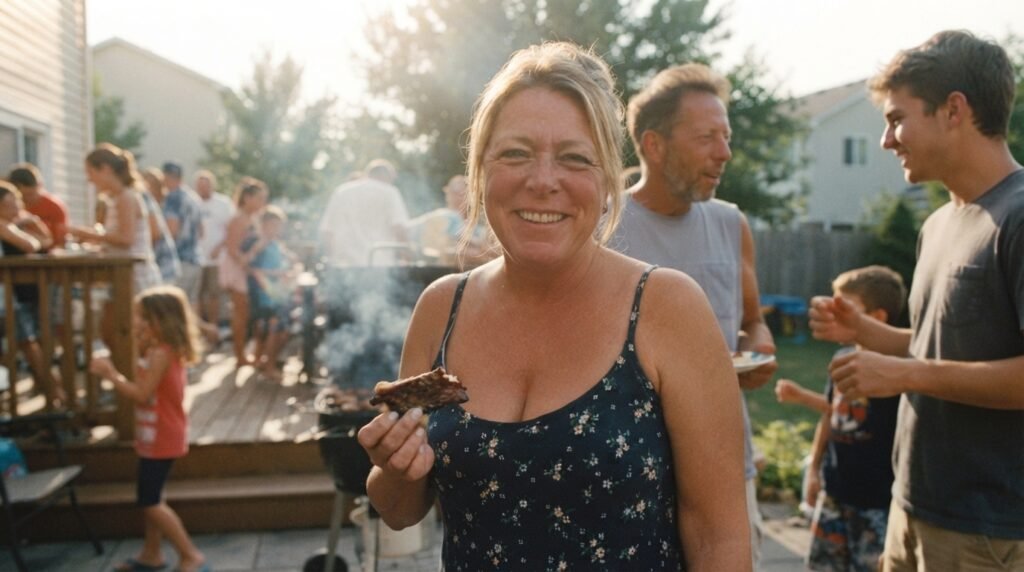
Vivian had an uncanny ability to walk into my home and instantly start rearranging it — moving the throw pillows, shifting the dining chairs, “fixing” the way I’d set the table.
“This room would look so much better if you listened to me,” she’d say, already sliding the couch three inches to the left.
If I ever pushed back, even gently, her response was always some version of:
“You spend too much time worrying about things that don’t matter.”
Except they mattered to me. It was my home.
The Cleanup Problem
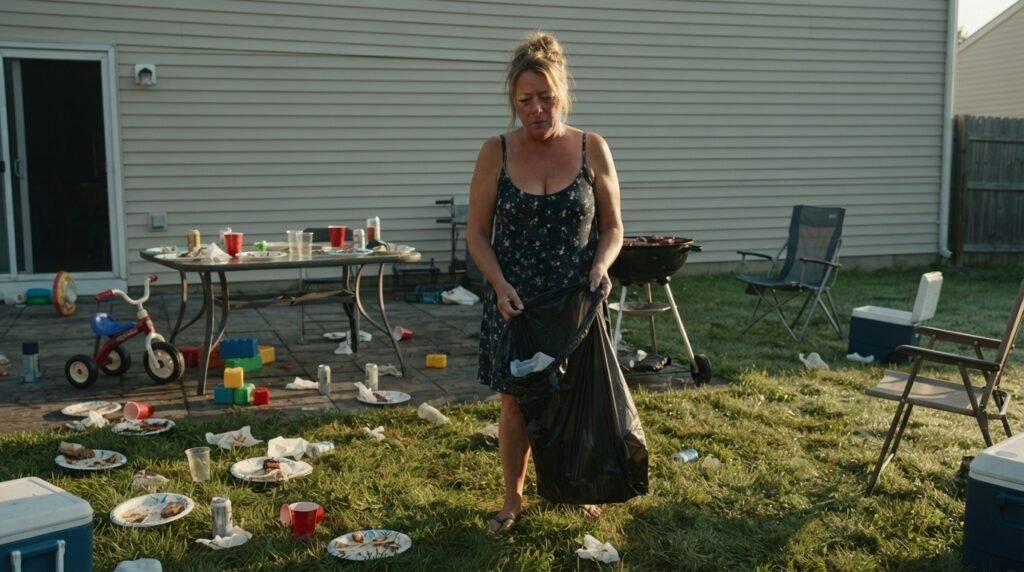
But nothing summed up the imbalance quite like the aftermath.
After every single BBQ, I’d walk outside once the last car pulled away and find a battlefield. Empty cups scattered across the lawn. Paper plates stuck to melted cheese, abandoned mid-bite. Toys strewn across the grass. Ketchup smeared on the porch railing.
Nobody ever asked if I needed help. Nobody ever stayed back to grab a trash bag. I would spend the next two to three hours scrubbing, sweeping, and hauling garbage — alone — while the rest of the family posted smiling photos from the day, already back home, already relaxed.
I was tired. Not just physically. Emotionally exhausted from being the invisible engine that made every gathering possible, while receiving none of the credit and all of the cleanup.
Husband’s Role in the Problem
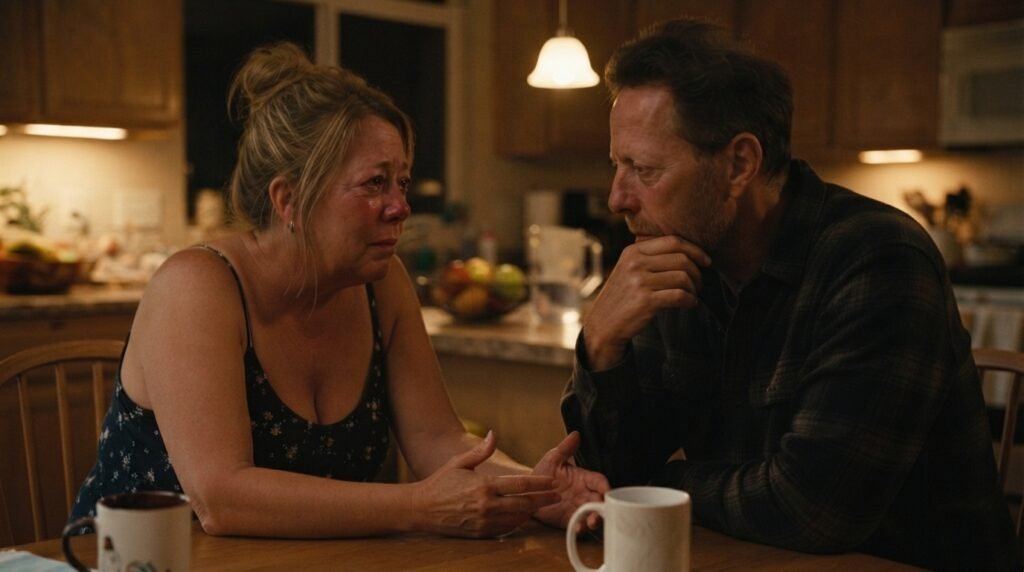
One evening, after another gathering had left our yard looking like a storm had rolled through, I sat down with Daniel and finally said what I’d been holding back for months.
“I love your family,” I told him. “I really do. I enjoy having everyone over. But I feel like I’m being used, not included.”
Daniel sighed, rubbing the back of his neck the way he always did when he felt cornered. “Mom doesn’t mean anything by it. That’s just how she grew up — everyone pitching in was never really her thing.”
“Intentions don’t erase consequences, Daniel,” I said quietly. “I’m not asking you to stop loving your mom. I’m asking you to see what this is doing to me.”
It was in that conversation I finally understood something important: avoiding conflict had allowed the problem to grow. Every time Daniel smoothed things over instead of addressing them, it told his family — and quietly told me — that this pattern was acceptable.
“I don’t want you to choose between me and your family,” I told him, looking him straight in the eye. “I just want you to choose respect.”
He didn’t have an answer that night. But I could tell something had landed.
The Final Breaking Point Before July 4th
The final straw came about a week before the Fourth of July.
Vivian called, her voice bright and casual, like she was simply sharing good news.
“We’re all coming for the Fourth! I told everyone — the kids, your sisters, even Aunt Carol is driving up. We’ll stay the whole weekend, it’ll be wonderful!”
I took a breath and asked the only reasonable question I could think of.
“That sounds like a lot of people. What should everyone bring?”
There was a pause, then a light laugh, as though I’d said something silly.
“Oh honey, you always handle these things so much better than the rest of us.”
That single sentence — dressed up as a compliment — was the moment everything clicked into place. It wasn’t a compliment. It was a quiet confirmation that I had trained everyone, without meaning to, that my labor was simply expected. Free. Endless.
I hung up the phone and stood in my kitchen for a long moment, staring at nothing in particular.
No more begging for help. No more silent resentment building behind a smile. This year, I decided, I was going to do something different. Not out of anger — but out of self-respect. I was going to teach my family what responsibility actually looked like.
The July 4th Arrival
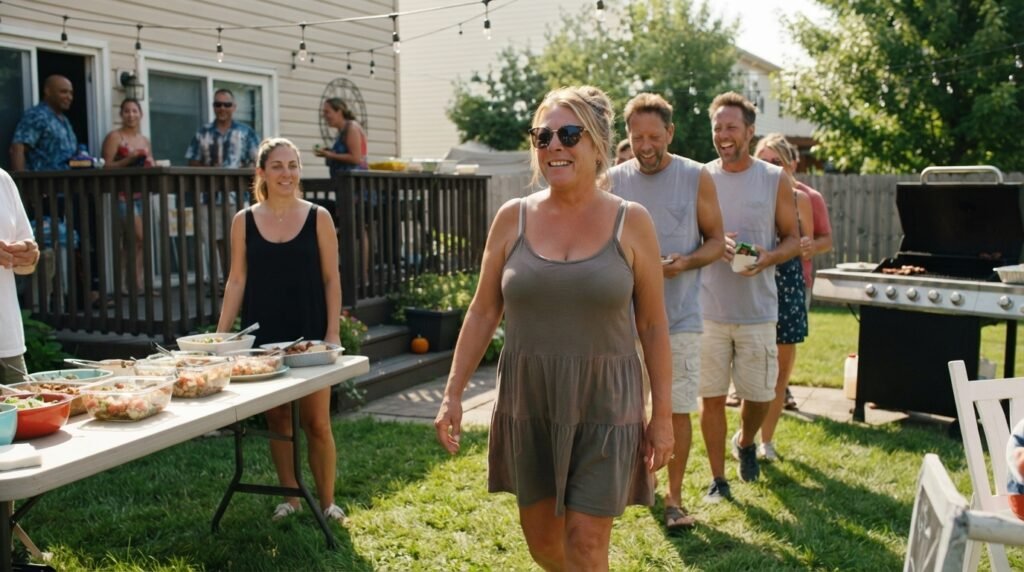
The day arrived hot and bright, the kind of blue-sky afternoon perfect for a backyard celebration. Three vehicles rolled up our gravel driveway almost at once, doors flying open before the engines had even fully stopped.
Kids spilled out first, sprinting toward the yard in a blur of noise and motion. Voices layered over each other — greetings, laughter, someone already asking where the bathroom was. Coolers were unloaded, though I noticed most were filled with drinks for personal use, not for sharing.
Vivian stepped out last, sunglasses perched elegantly on her head, surveying the yard like a queen inspecting her estate.
“I knew you would have everything ready,” she said with a satisfied smile, walking past me toward the food table.
I smiled back. Politely. Calmly.
But this time was different, and I could feel it in my own posture. I didn’t rush to grab her bag. I didn’t apologize for the slight delay in the potato salad. I didn’t scramble to make everyone comfortable the second they arrived, the way I always had before.
I noticed a few of the adults glancing at me a little longer than usual, as if sensing — even before I said a word — that something had shifted.
Emma’s New Rules
Once everyone had gathered near the food table, I took a breath, wiped my hands on my apron, and spoke up before the chaos could fully take over.
“Before we get started,” I said, loud enough for the whole yard to hear, “I wanted to share how we’re doing things this year.”
A few conversations paused. Vivian turned, one eyebrow raised.
I kept my voice steady and warm, not sharp, not accusing — just clear.
“Every year, I’ve loved hosting all of you. But going forward, this is going to be a family gathering, which means it works a little differently. Everyone contributes.“
I laid it out simply:
- Adults bring a dish or drinks — no more arriving empty-handed.
- Everyone cleans up after themselves before they leave, not just me at the end of the night.
- Kids help with simple tasks — carrying napkins to the table, tossing trash in the bin, small things suited to their age.
- This BBQ, I explained gently but firmly, was not a free resort. It was a family gathering, and family means participation, not just attendance.
For a moment, the yard went quiet except for the sizzle of the grill.
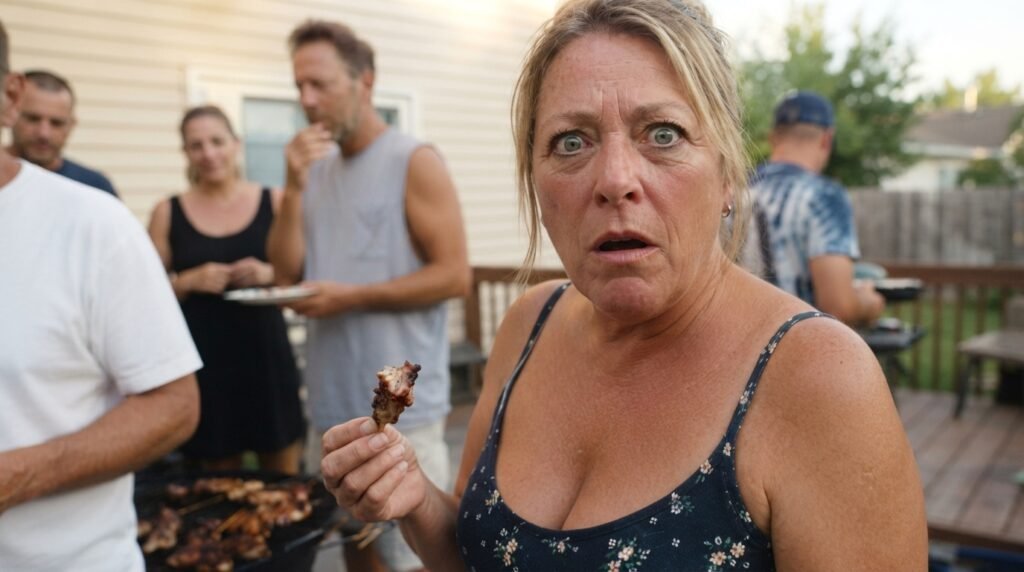
Vivian broke the silence first, her tone sharp with disbelief. “Are you seriously making your family work at a barbecue?”
I met her eyes and answered calmly.
“I’m asking family to act like family.”
Family Reaction
The reactions came fast, and not all of them were kind.
Some of the younger relatives shifted uncomfortably, unsure whether to laugh it off or take it seriously. A few of the kids, sensing the tension, went quiet and stuck close to their parents.
Vivian, however, wasn’t finished. She tried every tool she had.
First came the guilt.
“After everything I’ve done for this family, this is how you treat me?”
Then came the victim card.
“Fine. I guess I’m just not welcome here anymore.”
And finally, the attempt at public embarrassment, her voice rising just enough for the whole yard to hear.
“Everyone can see how much you’ve changed, Emma.”
I felt my chest tighten, but I didn’t back down. I kept my voice gentle but firm.
“I love this family, Vivian. I always have. But love doesn’t mean unlimited sacrifice on one side. I’m not punishing anyone. I’m just asking for balance.”
And then something happened that genuinely surprised me. Daniel, who had spent years dodging these exact conversations, stepped up beside me.
“Mom,” he said quietly but clearly, “Emma’s right. This isn’t fair to her, and it hasn’t been for a while. I should have said something sooner.”
It was the first time he’d ever backed me up in front of everyone, and I felt something in my chest loosen that had been tight for years.
The Lesson They Learn
The rest of that afternoon didn’t transform into a fairy tale overnight. There was grumbling. A few passive-aggressive comments about “how things used to be.” One of Daniel’s sisters muttered something about “making a big deal out of nothing.”
But slowly — awkwardly, imperfectly — things began to shift.
One of the sisters actually walked into the kitchen and asked what she could help prepare. A brother-in-law took charge of the grill without being asked twice. The kids, treating it almost like a game, started collecting used plates and napkins, giggling as they raced each other to the trash bin.
By the time the sun began to set and the fireworks lit up the sky, the gathering had a different energy to it. Lighter. More balanced. I wasn’t running back and forth refilling drinks and wiping counters the entire time — I was actually sitting, laughing, enjoying the holiday I had worked so hard to host.
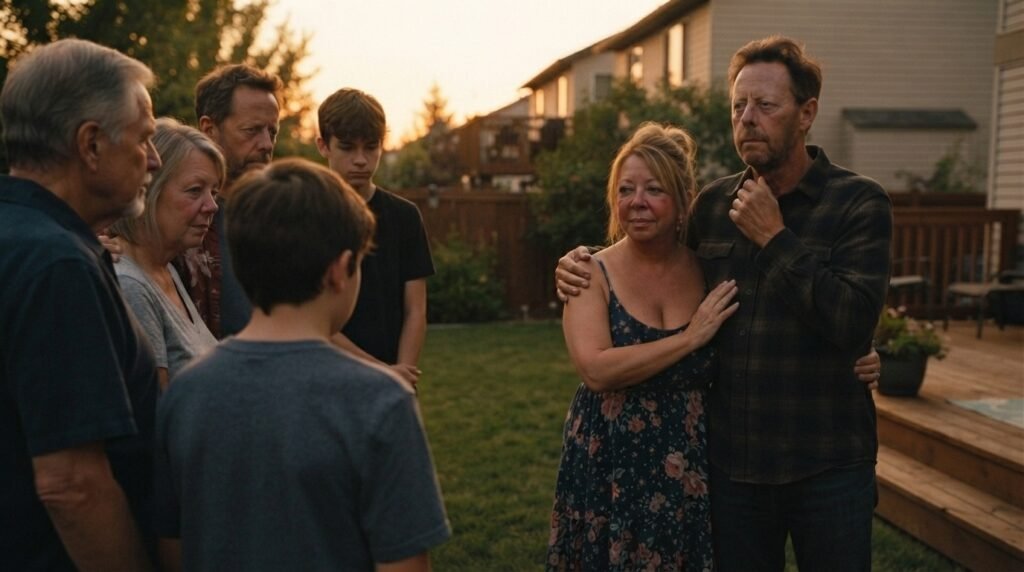
Later that evening, Vivian found me alone on the porch, watching the last of the fireworks fade into smoke.
“I never really thought about it,” she admitted quietly, her voice softer than I’d heard it in years. “The pressure I put on you. I just assumed you wanted to do it all.”
It wasn’t a perfect apology. There was no dramatic hug, no tearful breakdown. But it was honest, and for Vivian, that was a meaningful step.
I realized then that the BBQ had never really been about the food, the decorations, or even the guest list.
It had always been about entitlement — the quiet assumption that my time and effort were simply available, without question, without gratitude.
A New Family Tradition
Months passed, and autumn rolled into another family gathering — smaller this time, just a casual dinner to celebrate a birthday.
This time, something had changed for good.
Cars pulled into the driveway, and instead of empty hands, people carried casserole dishes, bags of chips, bottles of wine. Vivian arrived with a homemade pie, something she hadn’t done in years. When dinner ended, nobody drifted off to the living room while I cleared the table alone. Plates were carried to the sink. Leftovers were packed away together. The kids, now used to the routine, tossed their own napkins in the trash without being asked.
Standing in my kitchen that night, drying the last dish while laughter drifted in from the living room, I found myself reflecting on everything that had led to this moment.
The biggest change, I realized, wasn’t really about making my family help more.
It was about finally believing that I deserved help too.
Family isn’t measured by how much one person is willing to give. It’s measured by how much everyone is willing to contribute — and it took one honest conversation, one Fourth of July, and one set of boundaries to finally teach my family what that truly meant.