
If you are trying to save money, you have probably heard the same advice over and over again: stop buying your morning coffee, cancel every single subscription, and never eat at restaurants. While those tips might save you a few dollars, they often make budgeting feel like a harsh punishment.
The truth is, cutting your monthly expenses does not have to mean giving up everything you enjoy. The smartest way to reduce your spending is to eliminate waste—not happiness. When you focus on cutting out the things that do not bring real value to your life, you can save a significant amount of money without feeling like you are missing out.
In this comprehensive guide, you will learn practical, realistic, and highly effective strategies to lower your monthly expenses while maintaining a comfortable lifestyle. Whether you want to build a strong emergency fund, pay off personal debt, or simply gain more financial freedom, these tips will help you keep more money in your bank account every month.
Why Most Budgets Fail
Many people create budgets that are far too restrictive. They try to cut every single “fun” expense at the exact same time. They stop going out with friends, they stop buying treats, and they try to live on the bare minimum. This extreme approach makes budgeting feel painful, and it is nearly impossible to stick with a plan like that over time.
A successful budget focuses on long-term sustainability. Instead of asking yourself, “What can I force myself to give up?” you should ask, “What expenses am I paying for that do not actually improve my daily life?”
This small shift in your mindset changes everything. Budgeting stops being about deprivation and starts being about control. When you remove financial waste, you free up cash for the things that truly matter to you.

Track Where Your Money Goes First
Before you can start reducing your expenses, you need to know exactly where your money is going. Many people are shocked to learn how much they spend on small, daily purchases that quickly add up over time.
To get a clear picture of your finances, look at your bank and credit card statements from the last two or three months. Grab a piece of paper, a calculator, or a simple spreadsheet, and group your spending into these clear categories:
- Housing: Your rent or mortgage payments.
- Utilities: Electricity, water, gas, internet, and trash collection.
- Groceries: Food and household supplies bought at the store.
- Transportation: Fuel, public transit, car maintenance, and parking fees.
- Dining Out: Restaurants, fast food, coffee shops, and delivery apps.
- Entertainment: Movies, concerts, hobbies, and weekend activities.
- Shopping: Clothes, electronics, home decor, and online purchases.
- Subscriptions: Streaming services, gym memberships, and monthly apps.
- Insurance: Auto, health, home, or renters insurance.
Look for Real Spending Patterns
Instead of worrying about one-time expensive purchases, focus heavily on your recurring costs. Look for small habits that drain your wallet every week.
Common spending patterns that hurt your budget include:
- Paying for multiple streaming video or music services at the same time.
- Making daily trips to the convenience store or gas station for snacks and drinks.
- Paying for a gym membership you have not used in over a month.
- Ordering food through delivery apps that charge high service fees and tips.
- Paying for premium apps or cloud storage plans you do not actually need.
These small, recurring expenses might only cost $5 to $15 each time, but when they happen every day or every month, they have a massive impact on your overall budget.

Cut Subscription Costs the Smart Way
Subscription services are incredibly convenient, but they are also designed to make you forget you are paying for them. Many people continue paying for services they rarely use simply because the monthly fee is small enough to ignore.
Take an hour to review every single monthly subscription on your bank statement. Ask yourself these four simple questions for each one:
- Do I use this service regularly (at least once a week)?
- Is the enjoyment I get from it truly worth the cash price?
- Can I pause this subscription for a few months and see if I miss it?
- Can I switch to a shared family plan to cut the cost in half?
Pro Tip: Watch out for “auto-ship” subscriptions from online stores. Companies often offer a 10% or 15% discount if you agree to receive a product every 30, 60, or 90 days. While this sounds like a great deal, people often end up with a closet full of products they do not use fast enough. Cancel auto-shipments for items you already have in abundance.
Canceling just two or three unused subscriptions can easily save you $300 to $500 over the course of a year.
Lower Grocery Bills Without Eating Less
Food is one of the largest monthly expenses for most households, but it is also one of the easiest places to save money fast. You do not need to eat less food to save money; you just need to shop more intentionally.
+---------------------------+-------------------------------------------------------+
| Strategy                  | Financial Benefit                                     |
+---------------------------+-------------------------------------------------------+
| Plan Meals Weekly         | Stops you from buying ingredients you won't use.       |
| Shop with a Strict List   | Prevents expensive impulse buys at the store.         |
| Buy Store-Brand Products  | Saves 20% to 30% per item for the exact same quality.  |
| Use a Pantry Challenge    | Clears out old food and drops your grocery bill to $0. |
+---------------------------+-------------------------------------------------------+

Plan Your Meals Ahead of Time
Before you walk into a grocery store, write down exactly what you plan to eat for breakfast, lunch, and dinner for the upcoming week. Check your fridge, pantry, and freezer first. Build your meals around ingredients you already have on hand. This simple habit drastically reduces food waste and prevents you from buying random items that will just spoil in the fridge.
Shop with a Strict List
Once your meal plan is ready, write down a precise shopping list. When you enter the store, make a promise to yourself that you will not place anything in your cart unless it is written on that paper. This protects you from the marketing tricks stores use to make you buy expensive snacks and seasonal items.
Buy Store Brands
Next time you shop, look at the bottom and top shelves for generic or store-brand items. Major food brands spend millions on advertising, which makes their products more expensive. Store brands are almost always identical in taste and nutritional value, but they cost 20% to 30% less. Switching your cereal, pasta, canned goods, and spices to store brands will instantly lower your bill at the checkout counter.
Try a “Pantry Challenge”
If your kitchen cabinets, pantry, and freezer are completely full, try to drastically cut your grocery budget for a short period. Challenge yourself to live primarily off the food you already own for two weeks or even a full month. Spend a tiny amount of money—perhaps just $25 a week—only on fresh milk, produce, or eggs. You will be amazed at how many delicious meals you can create simply by using up the rice, pasta, frozen meats, and canned goods you forgot you had.
Use a Calculator While You Shop
Carry your phone in your hand and open the calculator app as you walk down the aisles. Add up the price of every single item before you place it in your shopping cart. Seeing the total cost grow in real-time is an incredibly eye-opening experience. It forces you to look at your cart and decide which items are truly necessary before you reach the cashier. If the total is too high, it is much easier to put an item back on the shelf than to feel embarrassed at the register.

Reduce Utility Bills Through Simple Habits
You can easily lower your home utility bills without sacrificing your daily comfort. Most utility waste comes from small things we simply do not notice.
- Switch to LED Light Bulbs: High-efficiency LED bulbs use up to 75% less energy than traditional incandescent bulbs and last for years. This is one of the fastest ways to lower your electric bill.
- Unplug “Phantom” Electronics: Many electronics draw power even when they are turned off. Unplug phone chargers, coffee makers, gaming consoles, and TVs when you go on vacation or when they are not in use. Alternatively, plug them into a smart power strip that you can turn off with a single switch.
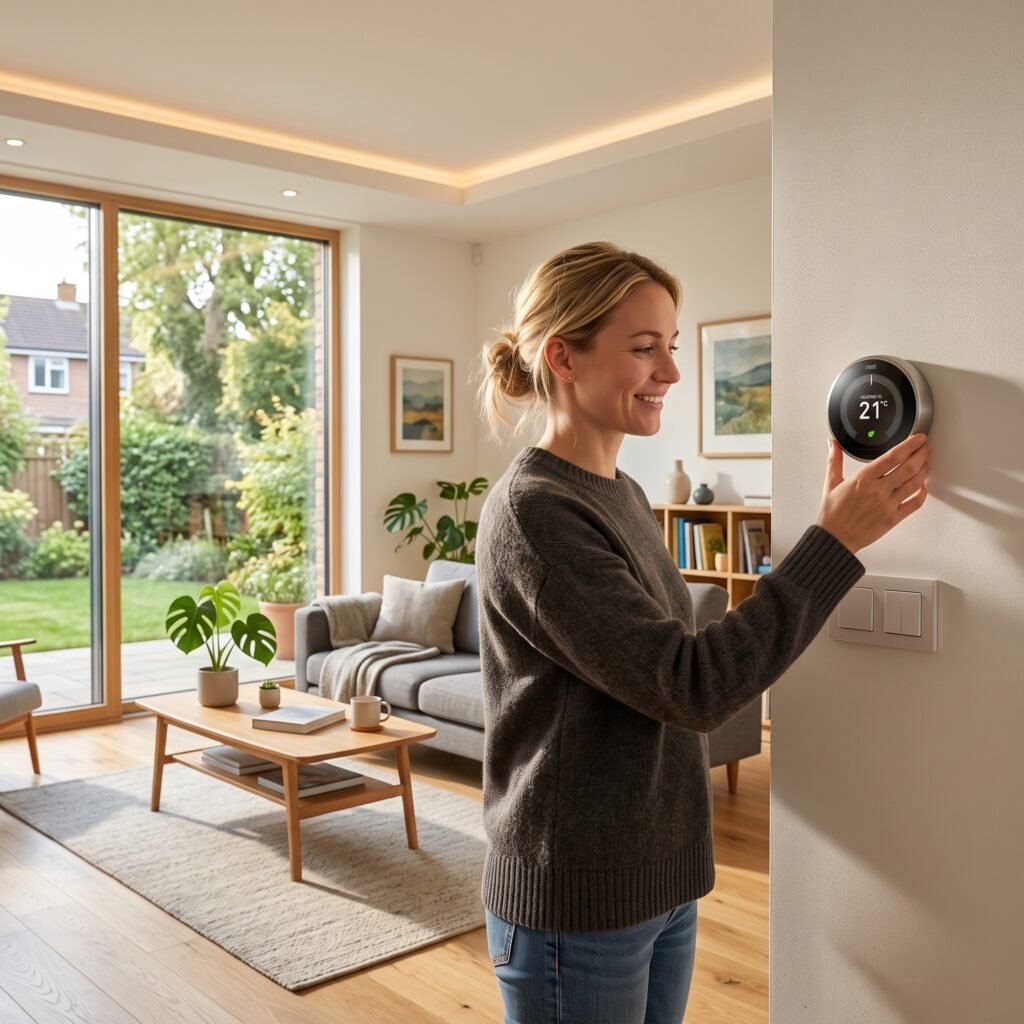
- Adjust Your Thermostat: Turning your thermostat down a few degrees in the winter or up a few degrees in the summer can save you up to 10% a year on heating and cooling costs. Use a programmable thermostat to automatically adjust the temperature when you are asleep or away from home.
- Wash Clothes in Cold Water: Roughly 75% to 90% of the energy your washing machine uses goes entirely toward heating the water. Switching your dial to cold water cleans your clothes just as effectively and prevents high energy charges.
- Fix Leaks Fast: A running toilet or a dripping faucet might seem minor, but it can waste hundreds of gallons of water every single month, causing your water bill to skyrocket. Fix leaks as soon as you notice them.
Save Money on Transportation and Fuel
Transportation is a massive expense, but a few strategic changes to how you drive and maintain your vehicle can keep a lot of cash in your pocket.
Consolidate Your Trips
Instead of driving out every time you need to run a small errand, pick one or two specific days a week to do all your driving. Plan a logical route so you can stop at the grocery store, the bank, and the post office all in one single trip. This saves you an immense amount of time and prevents you from burning unnecessary gas.
Keep Tires Properly Inflated
Driving with under-inflated tires forces your car’s engine to work much harder, which ruins your fuel economy. Check your tire pressure once a month and fill them to the recommended level listed inside your driver’s side door.
Perform Regular Vehicle Maintenance
Getting your oil changed regularly, replacing dirty air filters, and keeping up with basic maintenance prevents expensive engine wear. Spending a small amount of money on preventive care today will save you thousands of dollars in major car repairs down the road.
Compare Auto Insurance Rates Annually
Never let your auto insurance policy automatically renew without checking other options first. Insurance companies change their rates constantly. Every year, take 15 minutes to get quotes from three different companies for the exact same coverage. You can also call your current insurance provider and ask if you qualify for any discounts, such as a safe driver discount or a low-mileage discount.
Eat Out Smarter, Not Less
You do not have to completely stop eating at your favorite restaurants to save money. Going out to eat is a wonderful way to socialize and enjoy great food. Instead of eliminating restaurants, simply change how you dine out.
Limit the Frequency
If you currently eat out four or five times a week, try reducing it to just one or two times a week. When dining out becomes a planned weekend treat rather than a casual weekday habit born out of tiredness, you will actually enjoy the experience much more.
Say No to Food Delivery Apps
Food delivery services are an incredibly expensive luxury. By the time you pay for the food, the delivery fee, the service fee, the increased menu prices, and the driver’s tip, a simple $15 meal can easily cost you $30 or more. If you want restaurant food, choose to call the restaurant directly and drive there to pick up the order yourself. You will save a massive amount of cash instantly.
Order Water Instead of Drinks
Restaurants make a massive profit on beverages. Ordering a soda, iced tea, or alcoholic drink can easily add $3 to $10 to your individual bill. Simply asking for free tap water with a lemon slice is a incredibly easy way to trim your total bill without changing the food you eat.

Look for Special Deals and Rewards
Many casual restaurants offer excellent rewards programs through their mobile apps, giving you free appetizers or discounts just for signing up. You can also take advantage of early bird dinner specials, lunch menus, or local happy hours to enjoy the exact same restaurant experience for a fraction of the standard price.
Shop More Intentionally and Stop Impulse Buying
Impulse shopping is one of the ultimate budget killers. With online shopping and one-click purchasing, it is easier than ever to spend money on things you do not actually need before your brain even has a chance to process the decision.
To regain control of your shopping habits, use these two golden rules:
- The 24-Hour Rule for Small Purchases: If you see an item online or in a store that you want but do not absolutely need, force yourself to wait a full 24 hours before buying it. Leave the item in your online shopping cart and close the screen. Most of the time, after a day has passed, the initial excitement will fade and you will realize you do not actually need it.
- The 30-Day Rule for Major Purchases: For expensive items like electronics, new furniture, or high-end clothing, implement a strict 30-day waiting period. Write down the item name, the price, and the date on a calendar. If you still want and can afford the item after 30 days of careful thought, you can purchase it guilt-free.
Before making any non-essential purchase, ask yourself these four honest questions:
- Do I really need this item to live comfortably right now?
- Will I still care about this item or use it next month?
- Can I find this exact item used, cheaper, or for free elsewhere?
- Do I already own something very similar that serves the exact same purpose?
Negotiate Your Monthly Bills
Most people do not realize that the prices on their monthly bills are not set in stone. Companies are deeply terrified of losing customers to their competitors, which means they are often highly willing to give you a discount if you simply call and ask for one.
Set aside one afternoon to call your providers for:
- Internet services
- Cell phone plans
- Cable or satellite TV
- Home security systems
- Auto insurance
When you call, use this simple, polite script:
“Hello, I am looking over my monthly expenses and noticed that my bill has increased. I truly love your service, but I have received some lower offers from your competitors. Before I consider switching my service to another company, I wanted to check if there are any current promotions, loyalty discounts, or lower-cost plans available for my account?”
Be incredibly polite and friendly with the customer service representative. If they say no, ask to speak with the retention department, which has the authority to grant special discounts. Often, a single 15-minute phone call can save you $20 to $50 a month on your internet or cell phone bill. That adds up to hundreds of dollars of pure savings every single year for the exact same service.
Avoid Lifestyle Inflation
Lifestyle inflation happens when your income increases and your spending automatically increases right along with it.
When people get a raise, a promotion, or a cash bonus, they often immediately upgrade their lives. They buy a more expensive car, move into a larger apartment, or start eating at high-end restaurants. As a result, even though they are making more money, they still live paycheck to paycheck and fail to save any wealth.
To build true financial security, keep your living expenses completely stable even when your income grows. When you receive a raise or an unexpected influx of cash, immediately route that extra money into these areas before you ever have a chance to spend it:
- Your Emergency Fund: Build a safety net that covers three to six months of living expenses.
- High-Interest Debt: Pay off credit cards or personal loans as fast as humanly possible.
- Retirement Savings: Increase your contributions to your retirement accounts.
- Specific Long-Term Goals: Save cash for a down payment on a home or a well-deserved vacation.
By choosing to live below your means while your income rises, you will achieve financial freedom faster than you ever thought possible.

Use the Cash Envelope Method for Problem Categories
If you find that you constantly overspend in certain areas despite your best intentions, it is time to stop using your credit or debit card for those purchases.
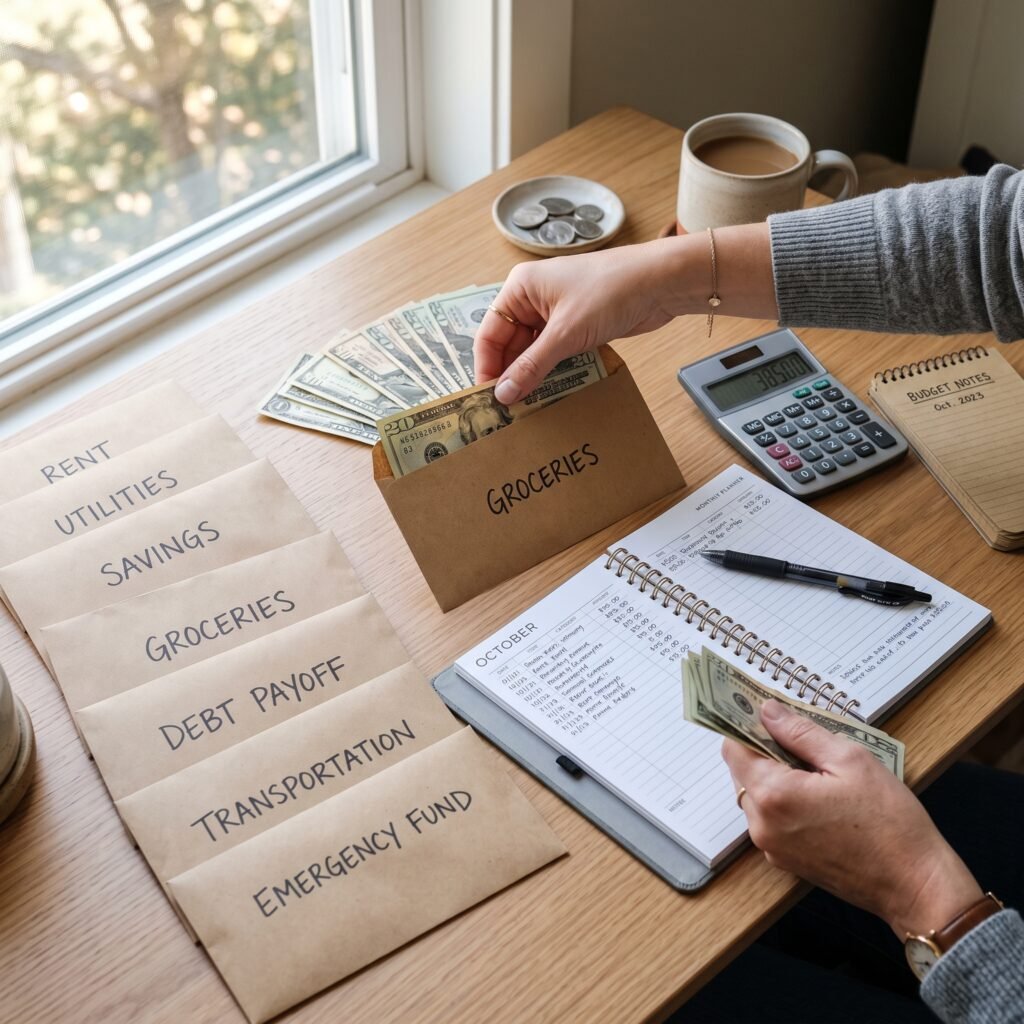
When you swipe a piece of plastic or tap your phone at a register, your brain does not register the transaction as a loss. It feels completely painless. However, when you physically hand over crisp paper cash, you experience a real psychological sense of loss. It hurts to watch your physical money leave your hands.
[ Bank Account ] ---> Withdraw Cash ---> [ Groceries Envelope ]  ---> Spend Only Cash
                                    ---> [ Dining Out Envelope ] ---> Spend Only Cash
                                    ---> [ Shopping Envelope ]   ---> Spend Only Cash
Identify your top two or three problem spending categories, such as Dining Out, Entertainment, or Personal Shopping. At the start of the month, withdraw a set amount of physical cash from your bank account for those specific categories. Place the cash into marked paper envelopes.
When you go out to eat or shop, take the corresponding envelope with you and pay entirely with that cash. Once the envelope is completely empty, you cannot spend any more money in that category until the next month begins. This simple, physical barrier creates natural boundaries and instantly stops overspending.
The 10% Budget Challenge
If looking at your entire budget feels overwhelming, grab your partner or a trusted friend and try the 10% Challenge. This is a highly collaborative and fast strategy that you can complete in less than 20 minutes.
Sit down together with your monthly budget sheet. Look closely at every single variable spending category. Instead of trying to eliminate entire categories, look for creative ways to shave just 10% off the total cost of each area.
- If you spend $600 a month on groceries, can you find a way to save $60 by switching to store brands?
- If your utility bills average $200, can you save $20 by turning off unused electronics and adjusting your thermostat?
- If you spend $150 on clothing, can you cut back by just $15?
Shaving a tiny 10% off your expenses feels completely effortless and requires zero suffering. However, when you apply that 10% reduction across every single category in your life, the total monthly savings add up to a massive sum of cash that you can immediately throw into your savings goals.
Sell Items You No Longer Need
One of the fastest ways to get a sudden influx of cash while clearing out your living space is to sell items you no longer use.
Set a timer on your phone for exactly 20 minutes. Walk slowly through your home, closets, garage, and drawers with a laundry basket. Challenge yourself to find at least 10 items that you have completely outgrown, no longer use, or simply do not need anymore.
Look for:
- Old smartphones, tablets, or gaming controllers.
- Clothing items that have sat unworn in your closet for over a year.
- Books, board games, or fitness gear collecting dust.
- Unused kitchen appliances or home decor items.
Take clean, clear photos of these items in good lighting and list them on local online marketplaces or classified sites. You will declutter your home, reduce your attachment to material things, and bring in quick cash to fund your goals.
Understand the Difference Between Needs and Wants
At the heart of all successful budgeting is the ability to clearly separate your needs from your wants.
- Needs are the absolute essentials required for survival and basic livelihood. This includes modest housing, basic groceries, electricity, essential healthcare, and dependable transportation to your job.
- Wants are expenses that improve your comfort, entertainment, or status, but are not required to live. This includes high-end clothing, restaurant meals, premium cable packages, concert tickets, and brand-new cars.
Many lifestyle expenses masquerade as needs when they are actually wants. For example, high-speed internet might be a need if you work from home, but the highest-tier premium streaming bundle is definitely a want.
Before you click the buy button on any item, stop and categorize it honestly. If you focus your spending entirely on your true needs first, you will free up an immense amount of cash to pay off debt or build wealth.
Focus on Progress, Not Perfection
No one follows a financial budget perfectly every single month. Unexpected expenses will always pop up. Your car might need a sudden repair, a medical bill might arrive in the mail, or you might simply have a weak moment and spend too much money on an expensive weekend out with friends.
The worst thing you can do after making a financial mistake is to give up entirely. One bad purchase does not ruin your financial future, just like one unhealthy meal does not ruin a fitness journey.
If you overspend, simply accept the mistake, look at your plan, and make a commitment to do better the very next day. Long-term consistency and sustainable daily habits are infinitely more important than short-term financial perfection.
Key Takeaways
- Track Everything First: Always review your bank statements to understand your real spending patterns before cutting costs.
- Cut Waste, Not Joy: Focus your energy on eliminating financial waste and unused services, not the things that bring genuine happiness to your life.
- Audit Subscriptions: Review your recurring bills and cancel auto-shipments and services you do not use regularly.
- Shop Smart: Reduce grocery bills by planning meals, shopping with a strict list, and buying store-brand products.
- Optimize Utilities & Travel: Use LED bulbs, adjust your thermostat, and consolidate your driving into fewer weekly trips to save on fuel.
- Negotiate Every Bill: Call your service providers directly and politely ask for loyalty promotions or lower rate plans.
- Control Impulse Buys: Implement the 24-hour rule for small items and the 30-day rule for major luxury purchases to stop impulse spending.
- Prevent Lifestyle Inflation: Save or invest your extra cash whenever you receive a raise or a bonus instead of automatically increasing your daily spending.
- Use Cash Envelopes: Use physical cash for problem areas like dining out and clothes shopping to create hard, natural spending limits.
- Choose Consistency: Set realistic, clear savings goals and focus on building sustainable habits over perfect budgeting.

Frequently Asked Questions (FAQ)
How can I reduce monthly expenses without changing my lifestyle?
The easiest way is to focus entirely on invisible waste. Negotiate your internet and insurance bills, cancel unused streaming subscriptions, switch to energy-efficient LED light bulbs, and stop paying high food delivery fees by picking up your takeout meals yourself. These simple tweaks lower your expenses significantly without changing your day-to-day comfort.
What is the easiest monthly expense to cut immediately?
Unused subscription services, automated shipments, premium smartphone apps, and daily impulse purchases at convenience stores are the fastest and easiest items to cut. They can be removed instantly with a few clicks on your phone and require zero lifestyle changes.
How much money should I save every month?
A common and highly recommended rule of thumb is to save at least 20% of your total take-home income. However, if that percentage feels unrealistic for your current situation, start with a much smaller amount that you can easily maintain, such as 5% or $50 a month. The habit of saving consistently matters far more than the initial amount. You can slowly increase the percentage as your expenses drop.
Should I stop eating out at restaurants completely?
Absolutely not. Completely cutting out dining out often leads to budgeting burnout. Instead, create a strict, designated monthly budget for restaurants and fast food. Stick to that number, order water instead of premium drinks, and pick up your takeout orders yourself to avoid expensive service charges and delivery fees.
What should I do first with the money I save?
Your immediate priority should be to build a basic emergency fund of $1,000 to cover unexpected car repairs or medical costs. Once that safety net is established, use all your extra saved cash to pay off high-interest debts, such as credit cards or personal loans, as fast as possible to avoid losing money to high interest charges.
Conclusion
Reducing your monthly expenses does not require you to live a boring, uncomfortable, or highly restricted life. The true goal of budgeting is not to eliminate everything you love—it is simply to learn how to spend your hard-earned money more intentionally.
By tracking your expenses, eliminating hidden financial waste, and making small, thoughtful changes to your daily shopping habits, you can rapidly improve your financial health while still enjoying the things that truly matter to you.
Remember, building a strong financial future is a marathon, not a sprint. It is about creating simple, easy habits that you can comfortably maintain for years to come. Every small step you take today will help reduce your financial stress, protect you from unexpected emergencies, and give you the ultimate peace of mind you deserve.