
Debt can feel like a heavy weight on your shoulders, but paying it off does not have to take decades. Whether you are dealing with credit card balances, personal loans, student loans, or medical bills, having the right plan can help you become debt-free much faster. At the same time, the right choices will improve your overall financial health.
The good news is that reducing debt is not about making huge sacrifices that ruin your life. Instead, it is about making smart financial choices, staying consistent, and focusing on the methods that save you the most money over time.
In this complete guide, you will learn practical and proven ways to reduce your debt quickly so you can build a stronger, happier financial future.
Why Paying Off Debt Should Be a Priority
High-interest debt costs you much more than the original amount you borrowed. Every month that a balance remains unpaid, interest continues to grow. This means you are giving your hard-earned money to banks and lenders instead of using it to reach your own personal goals.
When you focus on reducing your debt, you can:
- Save money on interest: Keep more money in your pocket instead of paying bank fees.
- Improve your credit score: A lower debt balance tells lenders you are good with money.
- Reduce financial stress: No more worrying about bills, phone calls from collectors, or low bank accounts.
- Increase monthly cash flow: Once a monthly payment disappears, you have more cash to spend or save.
- Qualify for better loan rates: If you want to buy a house or a car later, you will get better deals.
- Build long-term financial security: You can finally invest, plan for retirement, and build real wealth.
The sooner you begin, the more money you will save over time.

Know Exactly How Much You Owe
Before you can create a real repayment plan, you must look at your financial situation clearly. You need to make a complete list of all your debts. Do not guess the numbers. Log into your accounts, find your statements, and write down everything.
Your list must include:
- The current balance: The exact total amount of money you still owe.
- The interest rate (APR): The yearly percentage fee the lender charges you to borrow money.
- The minimum monthly payment: The lowest amount of money you must pay each month to avoid late fees.
- The due date: The day of the month the payment must reach the lender.
- The loan type: Is it a credit card, a student loan, a car loan, or a medical bill?
Visualizing Your Debt Tracker
To help you organize this information, use a simple chart like the one below:
| Lender Name | Total Balance Owed | Interest Rate (APR) | Minimum Monthly Payment | Due Date |
| Credit Card A | $2,500 | 22% | $75 | 5th of the month |
| Personal Loan | $5,000 | 10% | $150 | 12th of the month |
| Credit Card B | $800 | 18% | $40 | 18th of the month |
| Student Loan | $15,000 | 5% | $200 | 25th of the month |
Pro Tip: Having everything written down in one clear place makes it easy to see the big picture. Once you see the numbers plainly, you can easily decide which debts you should attack first.
Create a Realistic Monthly Budget
A budget is simply a plan that gives every single dollar a clear purpose. If you do not track your money, it is easy to wonder where it all went at the end of the month. To pay off debt fast, you must know exactly what is coming in and what is going out.
Start by calculating these five areas:
- Monthly income: The total amount of take-home pay you earn from your job or side projects after taxes.
- Fixed expenses: Bills that stay the same every single month, such as your rent, mortgage, car insurance, or utility basics.
- Variable expenses: Costs that change from week to week, like groceries, gas, eating out, and entertainment.
- Debt payments: The total sum of all your minimum required payments.
- Savings contributions: Any money you are putting away for emergencies or the future.
Once you list these numbers, look closely at your variable expenses. Look for unnecessary costs that you can reduce or eliminate completely. For example, you might stop eating at restaurants for a few months, cancel subscription services you do not use, or shop for cheaper grocery brands.
Even saving an extra $100 to $300 each month by cutting back on small things can significantly speed up your debt repayment journey. Every extra dollar you find is a weapon you can use to smash your debt.

Choose the Best Debt Repayment Strategy
There are two main ways human beings use to pay off debt successfully. Both strategies require you to pay the minimum balances on all your debts so you do not hurt your credit score. However, they handle your extra money differently.
Choosing the right plan depends on how your brain works and what keeps you motivated.
1. The Debt Avalanche Method (The Math Choice)
With the debt avalanche method, you focus strictly on interest rates. You list your debts from the highest interest rate to the lowest interest rate, completely ignoring how big or small the actual balances are.
How it works step-by-step:
- You continue making minimum payments on every single debt on your list.
- You take every extra dollar you can find from your budget and put it toward the debt with the highest interest rate.
- Once that highest-interest debt is completely paid off, you take its old payment and add it to the extra money you are throwing at the next highest-interest debt.
- You repeat this process until every debt is gone.
Why It Works
The main benefit of the avalanche method is pure math. By killing the most expensive debt first, you stop the bank from charging you high interest fees. This method saves you the most money overall and technically helps you become debt-free faster on paper.
2. The Debt Snowball Method (The Behavior Choice)
The debt snowball method focuses heavily on human psychology, motivation, and quick wins. Financial experts like Dave Ramsey and George Kamel favor this method because getting out of debt is not just a math problem—it is a behavior problem. If math were the only issue, nobody would have credit card debt in the first place. Humans need to feel like they are winning to stay on track.
With the snowball method, you list your debts in order from the smallest balance to the largest balance, completely ignoring the interest rates.
How it works step-by-step:
- Step 1: List all your debts from the smallest dollar balance to the largest dollar balance.
- Step 2: Make minimum payments on all of your debts except for the smallest one.
- Step 3: Throw as much extra money as you can onto that smallest debt until it is completely gone.
- Step 4: Once the smallest debt is gone, take the entire amount you were paying toward it and roll it into the next smallest debt.
Why It Works
Think of it like a real snowball rolling down a snow-covered hill. It starts out small, but as it rolls, it picks up more snow and grows into a giant, unstoppable force.
When you pay off a small $500 credit card in the first month or two, you feel amazing. You get a quick win. You see that your plan actually works, which gives you hope and energy. That excitement keeps you from quitting when things get tough. Harvard Business Review researchers even found that the debt snowball is often the most effective way to pay off debt because the psychological boost keeps people from giving up.

Comparing Avalanche vs. Snowball at a Glance
To help you choose which method fits your personality best, use this simple comparison table:
| Feature | Debt Avalanche Method | Debt Snowball Method |
| Main Focus | Highest Interest Rate | Smallest Dollar Balance |
| Primary Benefit | Saves the most money on interest fees | Gives quick mental wins and builds motivation |
| Best For | People who love math, logic, and cold facts | People who need steady momentum and encouragement |
| How It Feels | Can feel slow at first if the top debt is large | Feels fast and exciting right from the start |
Pay More Than the Minimum Payment
Minimum payments are a trap. They are specifically designed by credit card companies to keep you in debt for as long as possible. When you only pay the minimum amount, almost all of your money goes toward paying the monthly interest fee, while your actual balance barely drops. You could end up paying for a simple television or a vacation for 20 years if you only pay the minimums.
To break free, you must pay more than the minimum required amount. Even adding a small amount of extra money each month makes a massive difference over time.
Consider how these small amounts can change your life:
- An extra $25 a month can shave months off a personal loan.
- An extra $50 a month can save you hundreds of dollars in credit card interest.
- An extra $100 a month can cut years off your total debt timeline.
Whenever you receive unexpected money—like a tax refund, a work bonus, a holiday gift, or cash from selling an old item—do not go out and buy luxury items. Instead, immediately send that cash to your priority debt account.
Stop Adding New Debt
One of the biggest mistakes people make is trying to clean out their junk drawer while still throwing new trash into it. You cannot successfully pay off your credit cards if you are still using them to buy things you cannot afford. You must break the borrowing cycle completely.
To stop adding new debt today:
- Freeze your credit cards: Take them out of your wallet and leave them at home. Delete your saved card numbers from online shopping websites so you are not tempted to click “buy now.”
- Use cash or a debit card: Only spend money that you actually have inside your checking account right now. If you do not have the cash for it, you cannot buy it.
- Avoid financing non-essential items: Say no to “buy now, pay later” deals, store credit cards, and electronic payment plans.
- Delay unnecessary purchases: If you want a new pair of shoes or a new gadget, make yourself wait 30 days. Most of the time, you will realize you did not really need it.

Reduce Your Interest Rates
Lower interest rates mean that more of your hard-earned money goes directly toward erasing your actual balance instead of filling the pockets of big banks. Lowering your rates can speed up your debt-free date significantly.
Here are four smart ways to lower your interest rates safely:
1. Call Your Credit Card Company
If you have a history of making your payments on time, call the phone number on the back of your credit card. Politely tell them that you are working hard to pay off your balance and ask if they can lower your current APR. Many companies will lower your rate temporarily just to keep you as a loyal customer.
2. Use a 0% APR Balance Transfer Card
If your credit score is decent, you can apply for a balance transfer credit card that offers 0% interest for an introductory period (usually 12 to 18 months). You move your high-interest debt to this new card.
Warning: You must be incredibly disciplined for this to work. If you do not pay off the entire balance before the promotional period ends, the interest rate will jump back up to a very high percentage. Also, watch out for balance transfer fees, which are usually 3% to 5% of the total amount you transfer.
3. Refinance Your Loans
For debts like student loans or auto loans, you can look into refinancing through a private lender or a local credit union. If interest rates in the market have dropped since you took out the loan, or if your credit score has improved, you can swap your old loan for a brand new one with a much lower interest rate.
4. Consider Debt Consolidation Safely
Debt consolidation is when you take out one big personal loan to pay off multiple smaller, high-interest credit cards. This leaves you with just one single monthly payment to track.
However, you must be very careful. Debt consolidation does not cure the problem—it just moves your debt around from one place to another. If you do not change your spending habits, you will end up charging balances back onto your credit cards, leaving you with a consolidation loan and new credit card debt. Only use this option if you are fully committed to stopping all credit card usage.
Increase Your Income
Cutting back on your monthly expenses is an excellent step, but there is a limit to how much money you can cut from a budget. You still have to pay for food, water, and shelter. However, there is no limit to how much money you can earn. Increasing your income gives you extra money that you can throw directly at your debt snowball or avalanche.
Here are practical side hustle ideas that can help you earn extra cash quickly:
- Freelancing: If you can write, design logos, edit videos, or manage social media accounts, sell your skills online to businesses in the USA.
- Weekend part-time work: Work a few hours a week at a local retail store, coffee shop, or grocery store.
- Selling unused items: Clean out your garage, closets, and attic. Sell old electronics, clothes, tools, and furniture on online marketplaces.
- Online tutoring: Teach English, math, science, or music to students over video calls.
- Delivery driving or ride-sharing: Use your vehicle to deliver food, groceries, or packages during your free time.
- Pet sitting or dog walking: Help busy neighbors take care of their pets while they are away at work.
- Virtual assistant work: Help busy business owners organize their emails, schedules, and daily digital tasks.
Every dollar you earn from a side hustle should have a specific job. Do not use it to upgrade your lifestyle. Direct 100% of your extra earnings straight toward your highest-priority debt.

Build a Small Emergency Fund First
It might sound strange to save money when you are trying to pay off debt as fast as possible, but it is actually one of the most critical steps for long-term success. Life happens. Your car will need a new tire, your laptop might break, or you might have an unexpected doctor visit.
If you do not have any cash saved up for emergencies, you will be forced to use a credit card to pay for these surprises. This breaks your momentum and traps you back in the cycle of debt.
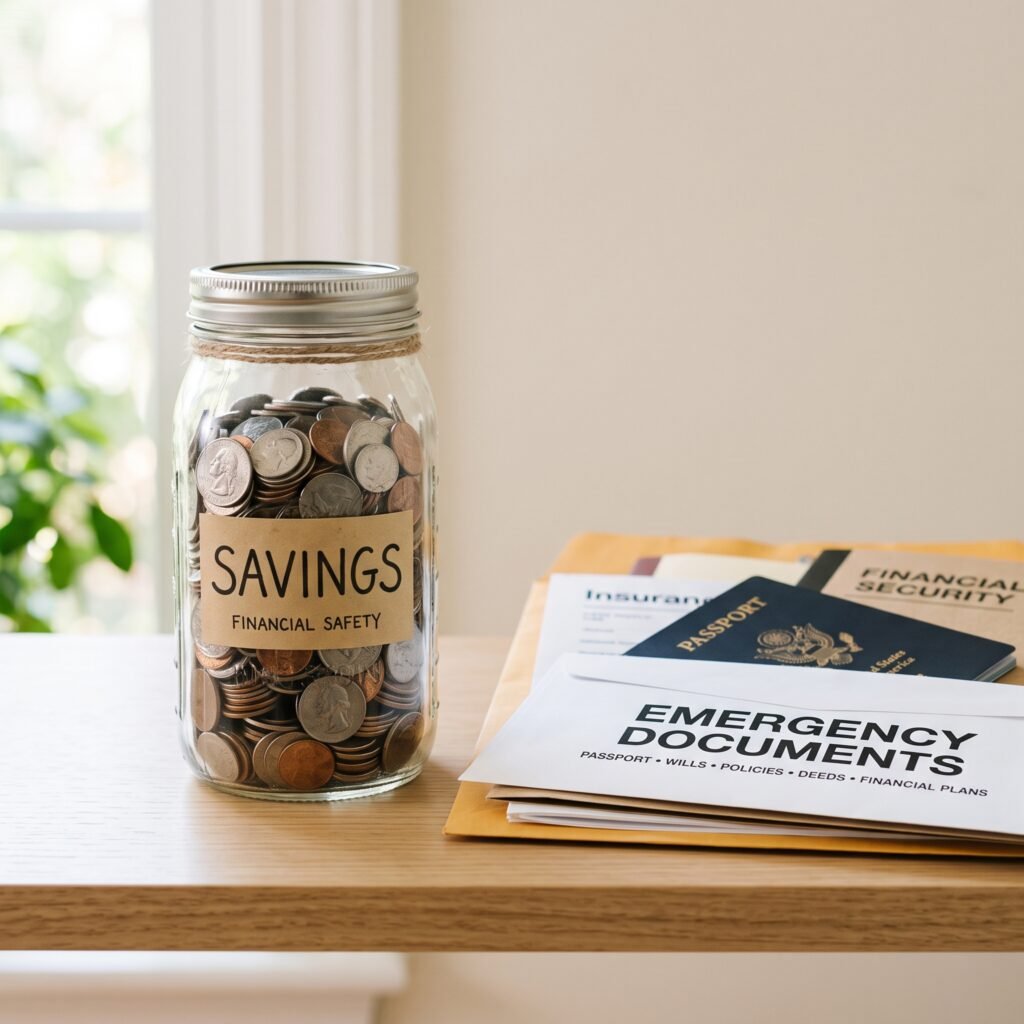
Before you start aggressively attacking your debt with every extra dollar, pause and build a small starter emergency fund of $500 to $1,000.
Keep this money in a separate savings account that is easy to access but far enough away that you will not spend it on daily items. This small fund acts as a safety buffer between you and the wild surprises of life. If an emergency happens, use your saved cash to pay for it, temporarily pause your extra debt payments, rebuild your emergency fund back to $1,000 as fast as possible, and then jump right back into your debt repayment plan.
Automate Your Payments
Life gets incredibly busy, and it is easy to forget a bill due date when you are juggling multiple accounts. Forgetting a payment can cause massive financial damage.
Missing a payment deadline can result in:
- Costly late fees: Lenders often charge $30 to $40 every time you are late.
- Penalty interest rates: Some credit cards will raise your APR to a massive penalty rate if you miss a payment.
- Damaged credit scores: A single payment that is over 30 days late can cause your credit score to drop by over 50 points.
To avoid these problems, log into your banking accounts and set up automatic payments for at least the minimum amount due on every single debt. This ensures you are never late, saves you from expensive penalties, and keeps your financial plan running smoothly in the background while you focus on your daily life.

Track Your Progress Every Month
Paying off debt is a marathon, not a short sprint. To stay focused and excited for the long haul, you must track your wins along the way. Watching your balance numbers shrink every month provides a great mental boost that keeps you going.
Set aside 15 minutes on the first day of every month to review these four numbers:
- Total debt remaining: The grand total of all your balances combined.
- Amount paid this month: How much total progress you made over the last 30 days.
- Interest saved: How much money you kept away from the banks by paying early.
- New milestones: Celebrate when you pay off an account completely or hit a round number (like dropping below $10,000 total debt).
You can create a visual tracker to help you stay focused. Print out a simple progress chart and put it on your refrigerator, write your goals on a sticky note on your bathroom mirror, or make a custom background for your smartphone. Keeping your financial goals right in front of your eyes every day prevents you from slipping back into bad spending habits.
Avoid Common Debt Repayment Mistakes
Many well-meaning people slow down their financial progress by making simple errors that are easy to avoid. Keep an eye out for these roadblocks:
- Making only minimum payments: As we discussed, this keeps you trapped paying interest forever.
- Borrowing more money while trying to pay off debt: Stop using your credit accounts entirely.
- Ignoring high-interest balances: If you choose the snowball method for motivation, ensure you still understand how your high-interest accounts work so you can prepare to crush them next.
- Not following a written budget: If you do not track your cash, your extra money will slip away into small, unnecessary purchases.
- Using emergency savings for non-emergencies: Your emergency fund is for true emergencies only—not for concert tickets, vacations, or clothing sales.
- Comparing yourself to others: Do not worry about what kind of car your neighbor drives or where your friends go on luxury vacations. Run your own financial race. They might look wealthy on the outside, but they could be drowning in massive debt behind closed doors.
When Should You Consider Professional Help?
If you have tried budgeting, cutting expenses, and using repayment strategies but your total debt still feels completely unmanageable, you do not have to suffer alone. If you are struggling to make even the minimum payments each month, it is smart to seek outside guidance early before things get worse.
Consider reaching out to these professional resources:
- Nonprofit Credit Counseling Agencies: These organizations offer free or low-cost advice. A certified counselor will review your entire financial situation with you and help you build a personalized plan.
- Debt Management Plans (DMPs): Through a credit counseling agency, you can sometimes enroll in a DMP. The agency will negotiate directly with your credit card companies to lower your interest rates and combine your balances into one monthly payment that you pay through the agency.
- Lender Hardship Programs: If you lose your job or experience a medical issue, call your lenders immediately. Many banks have temporary hardship options that allow you to lower or pause your payments for a few months while you get back on your feet.
Key Takeaways
Getting out of debt requires a clear path. Here is a quick summary checklist of the smartest steps to take right now:
- [ ] List every debt: Write down all balances, interest rates, and due dates in one place.
- [ ] Build a starter fund: Save $500 to $1,000 for emergencies before paying extra on debt.
- [ ] Create a simple budget: Know exactly how much cash is coming in and going out each month.
- [ ] Pick your strategy: Choose the Debt Avalanche for mathematical savings, or the Debt Snowball for fast motivational wins.
- [ ] Pay more than the minimum: Throw every single extra dollar at your primary target debt.
- [ ] Stop borrowing: Put your credit cards away and live entirely on cash or debit.
- [ ] Boost your income: Use a side hustle, freelance work, or sell old items to build extra cash momentum.
- [ ] Automate your systems: Set up automatic minimum payments so you never pay a late fee again.
- [ ] Track your milestones: Review your shrinking numbers monthly to keep your motivation high.

Frequently Asked Questions (FAQ)
What is the fastest way to reduce debt quickly?
The fastest way to reduce debt is to maximize the amount of extra money you put toward your balances while using a structured strategy. For the fastest savings on interest, use the debt avalanche method (paying the highest interest rate first). For the fastest psychological wins to ensure you do not quit, use the debt snowball method (paying the smallest balance first).
Is it better to save money or pay off debt first?
You should always build a small starter emergency fund of $500 to $1,000 first. This small pile of cash keeps you from taking on new debt when a life surprise happens. Once you have that safety net, you should pause heavy savings and pour all your extra cash into eliminating high-interest debt, as debt interest fees usually cost far more than what you can earn in a standard savings account.
Should I pay off my smallest debt balance first?
Yes, if you struggle with staying motivated over long periods. Paying off your smallest debt first gives you a rapid sense of accomplishment and proof that your budget is working. This momentum makes it much easier to tackle your larger balances down the road.
Can paying off debt improve my credit score in the USA?
Absolutely. When you pay down your debt balances, you lower your credit utilization ratio (the amount of credit you are using compared to your total credit limit). A lower utilization ratio, combined with a clean history of consistent, on-time payments, is one of the most powerful ways to raise your credit score.
What should I do if two debts have the identical interest rate?
If you are facing two accounts with the exact same interest rate, completely ignore the rate and pay off the account with the smaller balance first. Erasing that account quickly removes one entire bill from your life, giving you a quick win and freeing up immediate cash flow for your next target.
Should I pause my debt repayment plan if I use my emergency fund?
Yes. If a real emergency occurs and you must spend money from your starter emergency fund, temporarily pause your extra debt payments. Continue making just the minimum payments on all your accounts while you pour your extra budget money into rebuilding your emergency fund back up to $1,000. Once your safety net is full again, restart your aggressive debt payoff right where you left off.

Conclusion
Reducing your debt quickly does not require a perfect lifestyle or a massive fortune. It simply requires a clear, practical plan, consistent monthly choices, and smart financial habits.
By creating a basic budget, picking the repayment strategy that fits your mind best, stopping new credit card spending, and finding creative ways to boost your income, you will make steady, undeniable progress toward financial freedom.
Remember that every single extra payment you make brings you one step closer to an independent life where you own your entire paycheck. Do not wait for a perfect moment or a better month to start. Take control of your money today, stay consistent, and celebrate every single milestone along your journey to becoming completely debt-free.