
Choosing the right bank account is one of the first steps toward managing your money wisely. If you are opening your first bank account or trying to improve your finances, you have probably come across two common options: a checking account and a savings account.
Although both accounts help you manage your money, they serve very different purposes. Understanding how each one works can help you avoid unnecessary fees, earn more interest, and build healthier financial habits.
In this deep-dive guide, we will explain the key differences between checking and savings accounts, their advantages and disadvantages, and how to decide which one is right for you based on the latest banking updates for 2026.
What Is a Checking Account?
A checking account is designed for your everyday financial activities. It is the account you will typically use to receive your paycheck, pay bills, make purchases, withdraw cash, and transfer money.
Think of your checking account as your digital everyday spending wallet. It is built for fluid movement of money rather than holding money long-term.
Common Features of a Checking Account
- Unlimited or frequent transactions: You can move money in and out as many times as you need without penalties.
- Debit card for purchases: Allows you to swipe or tap at grocery stores, gas stations, or online retailers.
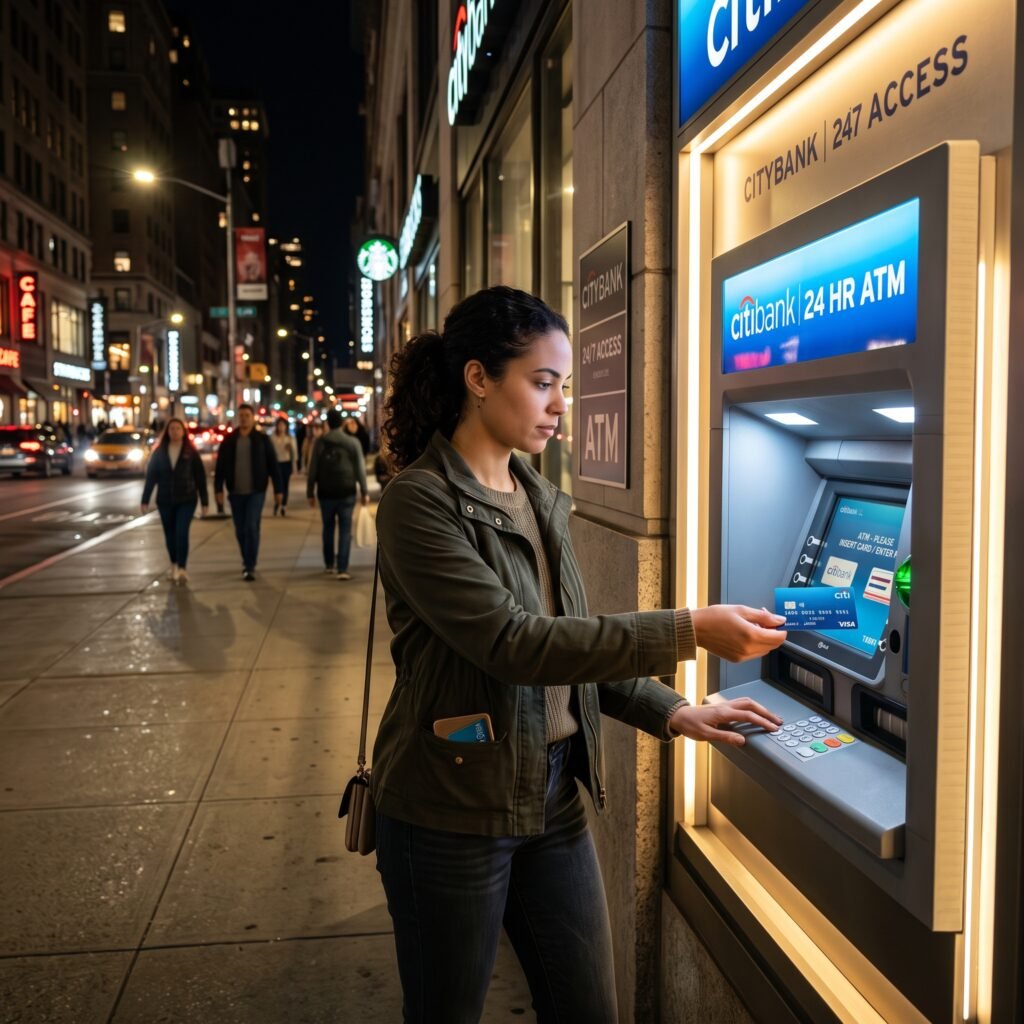
- ATM access: You can use your debit card at automated teller machines (ATMs) to get paper cash quickly.
- Direct deposit: Employers can send your monthly or bi-weekly paycheck directly into this account.
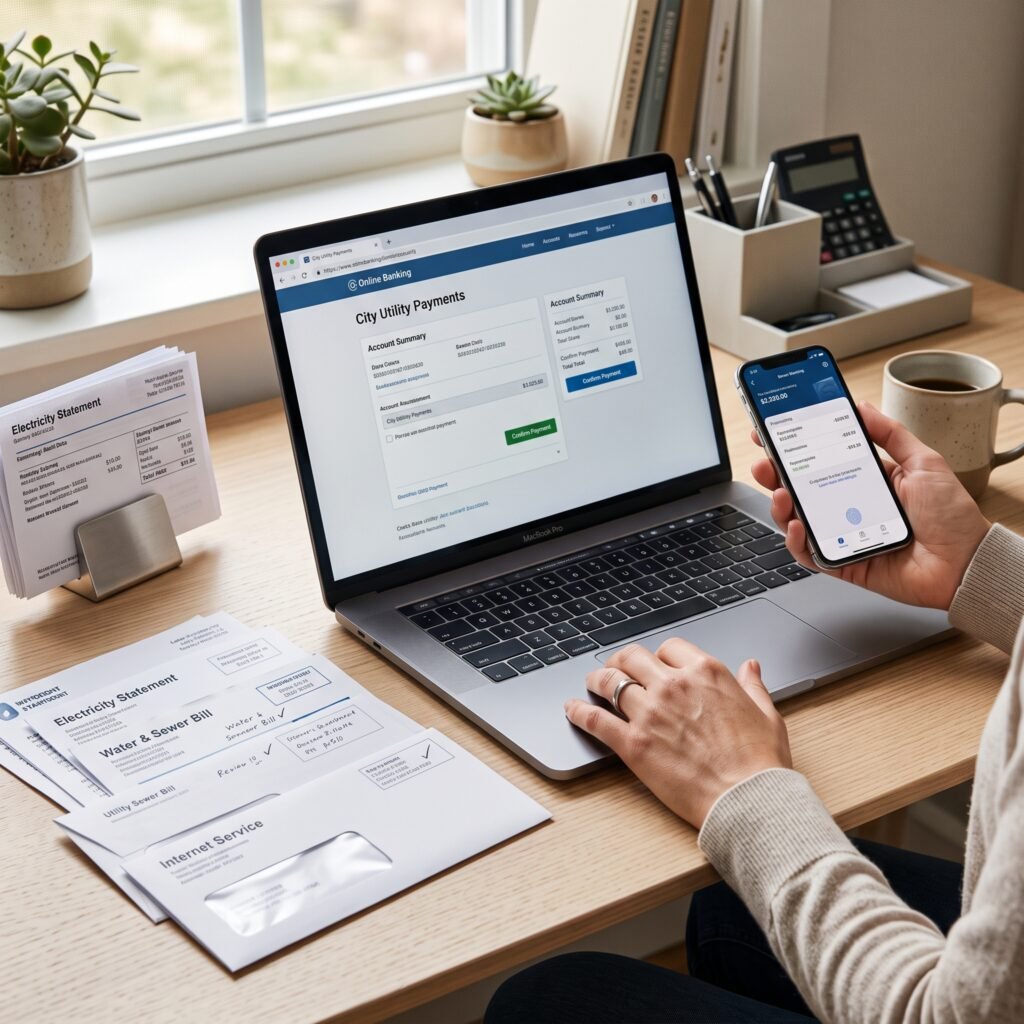
- Online bill pay: You can link utility bills, rent, or subscription services to pay automatically every month.
- Mobile banking: Most banks offer apps to snap pictures of checks to deposit them remotely or send money to friends via peer-to-peer apps.
- Check-writing capabilities: While less common today, you can still write physical paper checks to pay for things like rent or services.
Because checking accounts prioritize extreme accessibility and quick movement of cash, they usually pay little or no interest.

What Is a Savings Account?
A savings account is designed to help you set aside money for future goals or unexpected expenses. Unlike a checking account, it is not intended for daily spending.
Savings accounts act like a secure storage vault for your money. Because you leave the money alone for longer periods, banks offer you incentives to keep it there.
Common Features of a Savings Account
- Earns interest on your balance: The bank pays you a percentage of your balance just for keeping your money with them.
- Ideal for emergency funds: A perfect place to store cash meant for sudden car repairs, medical emergencies, or job losses.
- Supports long-term savings goals: Helps you separate your future house down payment or vacation money from your daily spending cash.
- Easy online transfers: You can move money from your savings account to your checking account through your bank’s website or app when you need to use it.
- Federal insurance protection: Your money is safe even if the bank closes down, thanks to federal backing up to specific legal limits.
Savings accounts are commonly used for goals such as vacations, home down payments, education expenses, or emergency funds.

Checking Account vs. Savings Account: Key Differences
To get a quick overview of how these two main bank accounts compare, look at this breakdown of their primary features:
| Feature | Checking Account | Savings Account |
| Primary Purpose | Everyday spending and bills | Storing and growing money |
| Debit Card | Yes (standard) | No (very rare) |
| Interest Earnings | Usually none or very low | Higher interest rates |
| Transactions | Frequent and unlimited | Best for occasional withdrawals |
| Bill Payments | Yes (direct and automatic) | Usually not allowed directly |
| ATM Access | Yes (deposits and withdrawals) | Often available for withdrawals |
| Best For | Daily expenses and income | Emergency funds and goals |
How Does Access and Interest Work?
The two biggest differences between savings and checking accounts come down to two concepts: how easily you can get to your money (access) and how much free money the bank pays you to keep it there (interest).
1. Access to Your Money
There are many ways to access the money stored inside a checking account. You can stop by your bank and withdraw it in person, get it at an ATM, use a debit card, or write a check. As long as you have the funds available in your balance, you can generally process as many daily transactions as you want.
When it comes to savings accounts, the story is a little bit different. You can still withdraw your money by stopping by your bank or using an ATM. You can also transfer that money over to your checking account using your bank’s website or mobile app.
However, with a traditional savings account, there are no debit cards or checks attached to the account.
On top of that, many banks put a limit on the number of free withdrawals or transfers you can process from your savings account every month. Historically, federal rules limited this to six transactions per month. While federal laws have become more flexible, many banks still enforce a six-withdrawal monthly limit or charge a small fee if you go over it.
2. Earning Interest
Clearly, savings accounts have some disadvantages compared to checking accounts when it comes to accessing your money quickly. So, what is it that makes savings accounts worthwhile?
The answer is interest. Money in your savings account typically earns a percentage yield over time. If you have a fairly substantial amount of cash in a savings account, you might be able to earn 10 or 15 dollars per month just by letting it sit there. That kind of money is not going to make you rich overnight, but at least it will pay for your monthly video streaming bill or a few cups of coffee.
Checking accounts, on the other hand, earn very little if any interest at all. Because you are constantly depositing and withdrawing money from a checking account, the bank cannot count on that money staying in place.
With a savings account, you are less likely to constantly pull money out. This allows the bank to safely use a portion of those deposits to loan money to other customers for mortgages or auto loans, charging them interest. To thank you for leaving your money with them, the bank passes a slice of those profits back to you in the form of savings interest.
When Should You Use a Checking Account?
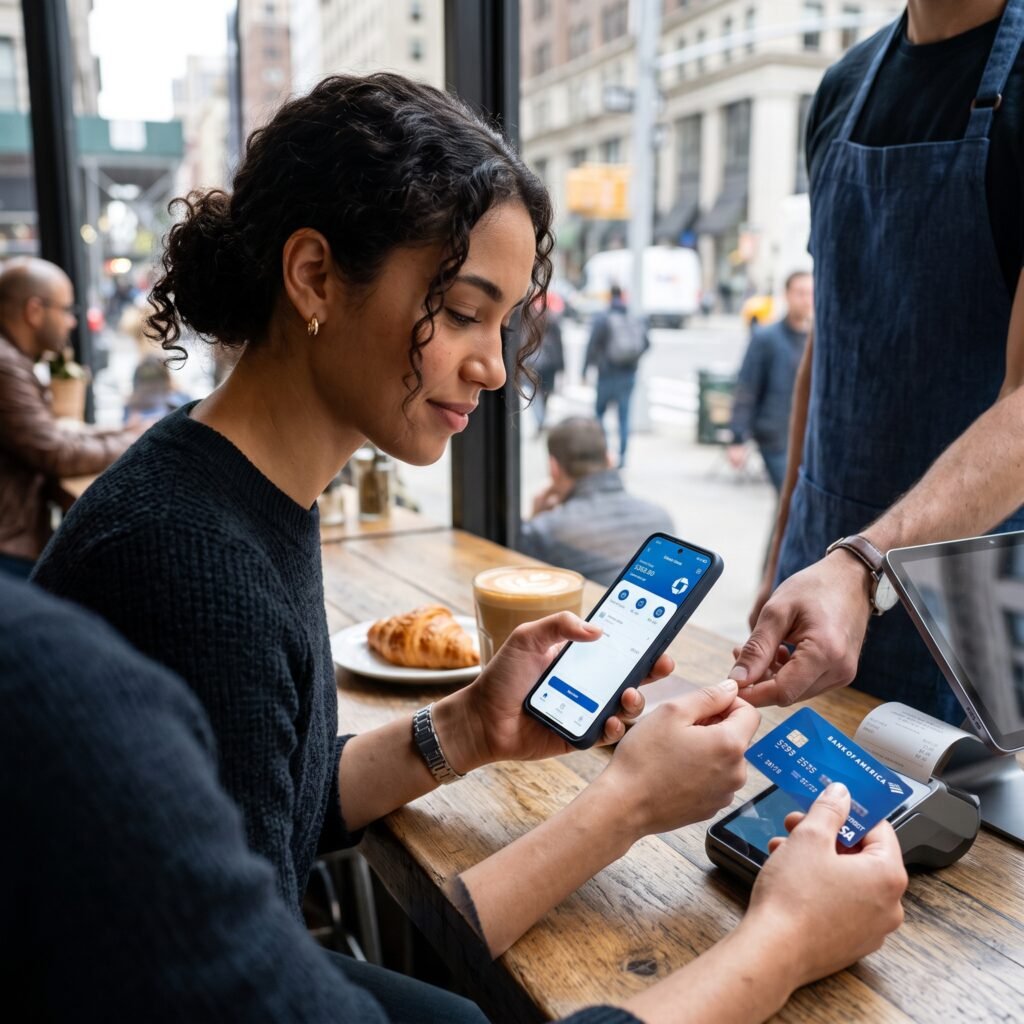
A checking account is the better choice if you regularly need to handle daily financial tasks. It acts as the central hub for your financial life. You should use a checking account to:
- Receive direct deposits: This is where your job should send your paycheck automatically.
- Pay monthly bills: Use it to pay your rent, electric bill, car insurance, and credit card balances.
- Shop online or in stores: Whenever you tap your card at a grocery store or enter your card details on an shopping website.
- Use a debit card frequently: For any small, daily purchases like gas or food.
- Withdraw cash from ATMs: When you need physical dollar bills in your pocket.
- Send or receive money electronically: Linking your account to peer-to-peer payment apps to split dinner bills with friends.
When Should You Use a Savings Account?
A savings account works best when you are trying to protect your money from your own spending habits and let it grow. You should use a savings account to:
- Build an emergency fund: Stashing away three to six months of living expenses in case of a rainy day.
- Save for a vacation: Putting away 50 dollars a week until you have enough to book your flights.
- Buy a home or car: Gathering a large down payment safely over a year or two.
- Save for college expenses: Keeping tuition money safe from everyday temptations.
- Prepare for unexpected bills: Setting aside money for annual insurance premiums or seasonal property taxes.
Keeping your savings completely separate from your daily spending wallet makes it much easier to avoid accidental, impulsive purchases.

Can You Have Both Accounts?
Absolutely. In fact, many financial experts highly recommend using both accounts at the exact same time.
Using them together creates a simple, highly effective system for managing your personal finances. A common, time-tested strategy works like this:
- Have your regular job paychecks land directly into your checking account.
- Use that checking account to pay your mandatory bills (rent, utilities, groceries) during the month.
- Set up an automatic rule that transfers a small, comfortable percentage of your money into your savings account every single payday.
This approach helps you stay highly organized while building your long-term savings consistently without you even having to think about it.
Pros and Cons of a Checking Account
To understand if a checking account fits your immediate needs, weigh these clear benefits and drawbacks:
Pros
- Unmatched convenience: It offers the easiest, fastest access to your cash through cards, apps, and checks.
- No transaction limits: You can buy items or move money 50 times a day without the bank stopping you.
- Seamless bill integration: Most companies prefer to pull payments directly from checking routing numbers.
- Direct income path: It is the easiest type of account to link with employer payroll systems.
Cons
- Almost no growth: Your money sits flat. It will not grow because interest rates are incredibly low or zero.
- Syllable of fees: If you do not watch your balance, you can get hit with monthly maintenance fees or overdraft fees (fees charged when you spend more money than you actually have).
- High spending temptation: Because the money is tied directly to your debit card, it is very easy to accidentally spend money you meant to save.
Pros and Cons of a Savings Account
Before moving your money into savings, look at the positive side and the limitations of these accounts:
Pros
- Earns passive income: Your money works for you, growing slightly every month via compound interest.
- Encourages better saving habits: The lack of a direct debit card creates a mental speed bump that stops impulse spending.
- Protects your peace of mind: Provides a distinct, secure home for your emergency safety net.
Cons
- Inconvenient for daily life: You cannot buy groceries or pay for gas directly using a savings account.
- Potential structural limits: Going over the typical six-withdrawal monthly limit can result in bank penalties or account closure.
- Inflation risk: While you earn interest, standard savings accounts often pay rates that are lower than the rising cost of living (inflation).
Specialized Options: High-Yield Accounts and Online Banking
As you look into opening accounts, you might find options that don’t fit perfectly into the traditional boxes. The financial world has evolved, offering smarter choices that blend features together.
High-Yield Checking Accounts
Sometimes, you might come across something called a high-yield or high-interest checking account. These offer an interest rate that is comparable to savings accounts at traditional banks.
To get that high interest rate on a checking account, banks usually require you to meet specific rules each month, such as making at least 10 or 15 purchases with your debit card or setting up a regular direct deposit.
The Rise of Online Banks
High rates are especially common now with online-only banks. Because online banks do not have to spend money building and staffing physical brick-and-mortar branch locations, they have much lower business expenses. They pass some of their extra profits along to you, the customer.
If you can manage to do all your banking using a smartphone app or website without ever needing to visit a physical building, an online bank could be a great choice. With an online bank, you can earn solid interest on money in your checking account and even higher interest on money in your savings account.
Safety and Government Insurance
No matter which type of account you choose to store your money in, your funds are highly secure.
- If you open an account at a bank, your deposits are insured by the Federal Deposit Insurance Corporation (FDIC).
- If you choose a credit union (a member-owned, non-profit alternative to a bank), your deposits are insured by the National Credit Union Share Insurance Fund (NCUSIF).
In the highly unlikely event that your financial institution goes out of business, the US government covers and protects your deposits for up to 250,000 dollars per person, per account category.
If you need to keep more than 250,000 dollars in cash, you can simply open accounts at multiple different banks to stay safely under the individual limit. However, keeping massive amounts of cash in a bank account long-term is usually not recommended, as you lose purchasing power over time due to inflation.
Three Other Bank Accounts You Should Know About
Beyond standard checking and savings accounts, there are three other common financial accounts that can help you manage your money.
1. Money Market Accounts (MMA)
Think of a money market account as a hybrid child of a checking and savings account. Money market accounts typically earn a higher interest rate than a standard savings account, and they also allow you to conduct daily transactions using a check or a debit card.
The catch is that they usually limit you to a small number of withdrawals per month, and they typically require you to maintain a high minimum balance (such as 2,500 to 5,000 dollars) to avoid fees.
2. Cash Management Accounts (CMA)
This account acts a lot like a traditional savings account, but instead of opening it at a traditional bank or credit union, you open it at an investment brokerage firm.
Cash management accounts combine many of the advantages of checking and savings accounts, allowing you to earn high interest while keeping your cash sitting right next to your stock market investments. If you do a lot of investing, this is a highly convenient option.
3. Certificates of Deposit (CD)
A certificate of deposit is a savings account that earns a much higher interest rate but comes with strict time restrictions. When you deposit money into a CD, you promise your bank that you will not touch that money for a specified period of time. This time frame can be as short as three months or as long as five years.
In exchange for your patience, the bank pays you a locked-in, much higher interest rate than standard savings. The longer the time period you commit to, the more interest you will earn.
Important Warning: CDs are not a good place to store your emergency fund. You cannot predict when a sudden emergency will happen, and if you pull money out of a CD before the agreed time is up, you will face hefty early withdrawal penalties.
How to Choose the Right Account For Your Goals
The right choice depends completely on your short-term and long-term financial needs.
- Choose a checking account if you need easy, friction-free access to your money for daily expenses, gas, groceries, and monthly bills.
- Choose a savings account if your goal is to grow your money over time, build an emergency safety net, and protect your cash from accidental spending.
For the vast majority of people, the smartest solution is not choosing one over the other. The best move is to open both accounts together at a high-quality financial institution.
When you look for a bank or credit union, aim to find one that offers no monthly maintenance fees, no minimum account balance requirements, and a strong interest rate on savings. Local credit unions and online-only banks are usually the best places to find these consumer-friendly terms.
Tips for Managing Both Accounts Successfully
- Automate your savings: Set up your banking app to automatically move a set amount (like 10% of your pay) from checking to savings every single payday.
- Build the ideal emergency cushion: Try to keep at least three to six months of basic living expenses tucked away safely inside your savings account.
- Keep names on your goals: Many modern online banks let you create “sub-savings buckets.” You can name one bucket “Emergency Fund,” another “Summer Trip,” and another “Car Down Payment.”
- Do not use savings for shopping: Never link your savings account directly to online shopping profiles or food delivery apps. Keep that barrier intact.
- Review your accounts monthly: Spend five minutes every month checking for accidental subscription charges or sneaky bank fees.
Key Takeaways
- A checking account is designed for your fluid, everyday spending and monthly bill payments.
- A savings account is built for storing money safely long-term and earning passive interest.
- Checking accounts offer absolute accessibility through debit cards, apps, and checks.
- Savings accounts help build long-term security by keeping money out of arm’s reach.
- Using both accounts as a team is the gold standard for healthy personal money management.

Frequently Asked Questions (FAQ)
Is it better to have a checking or savings account?
Neither account is “better” than the other because they perform completely different jobs. A checking account is necessary for buying things daily and paying bills. A savings account is necessary for building wealth, earning interest, and keeping emergency money safe. Most people need both to manage their financial lives properly.
Can I transfer money between checking and savings accounts?
Yes. If you keep both accounts at the same bank or credit union, you can make instant, free transfers between them using your bank’s website or mobile app. If the accounts are at two different banks, the transfer is still free but might take one to three business days to clear.
Do savings accounts earn interest?
Yes, the vast majority of savings accounts earn interest. However, the exact rate varies wildly depending on the bank. Traditional big-box banks with physical branches often pay very low rates (like 0.01%), while online banks offer high-yield savings accounts that pay significantly more.
Can I use a savings account for everyday purchases?
No. Savings accounts do not come with a debit card for retail shopping, and you cannot write checks against them to pay bills. If you try to use a savings account for multiple daily transactions, your bank may charge you an excessive transaction fee or convert the account into a checking account.
Should I keep all my money in a checking account?
Generally, no. Keeping all your cash in a checking account makes it incredibly easy to accidentally overspend your hard-earned savings. Additionally, money left in a checking account earns zero interest, meaning your money loses value over time due to the rising costs of goods (inflation).
What happens if my bank goes out of business?
As long as your bank is insured by the FDIC (or your credit union is backed by the NCUA), your money is fully safe and backed by the United States government for up to 250,000 dollars per person.

Conclusion
Understanding the operational differences between a checking account and a savings account is essential for making smart financial decisions. A checking account gives you convenient, fast access to your cash for everyday survival expenses, while a savings account helps you steadily grow your wealth and prepare safely for future milestones.
By separating your immediate spending money from your long-term savings, you create a natural financial boundary. This simple setup ensures you are always prepared for unexpected emergencies, major life purchases, and long-term financial success. Take a look at your current bank setup today, minimize your fees, maximize your interest rates, and make sure both accounts are working together to support your future goals.