
Looking to save money fast? Discover 15 practical and proven money-saving tips that can help you cut expenses, build savings, and improve your financial health starting today.
Saving money can feel very hard, especially when everyday costs keep going up. Whether you want to build an emergency fund, pay off your debt, or save for something big, small changes can make a massive difference.
The good news is that you do not need a huge raise at work to start saving money quickly. By making smarter choices with your spending and building better daily habits, you can keep more money in your pocket starting right now.
Most people fail at saving money because of how the human brain works. When you have to choose to save money every single day, you use up your mental energy. By the end of a long day, your willpower is gone, and you end up spending money you did not want to spend. To win with money, you do not need more willpower. You just need a better system.
In this ultimate guide, you will discover 15 practical money-saving tips that really work, along with a simple system to manage your cash without stress.
The 3S Spending System: Secure, Stack, and Spend

Before diving into the daily tips, you need to understand why traditional budgets fail. Most budgets feel like a punishment. They tell you everything you cannot do. This makes people feel trapped, and they give up by the second month.
Instead of tracking every penny with stress, you can use the 3S Spending System: Secure, Stack, and Spend. This system divides your monthly income into three simple parts so you can save money automatically and spend your leftover cash without feeling guilty.
+---------------------------------------------------------------+
|                  YOUR MONTHLY TAKE-HOME PAY                   |
+------------------------------+--------------------------------+
                               |
        _______________________|_______________________
       |                       |                       |
+------v-------+        +------v-------+        +------v-------+
|   SECURE     |        |    STACK     |        |    SPEND     |
|  (50% - 60%) |        |  (15% - 25%) |        |  (15% - 20%) |
|              |        |              |        |              |
|  Essentials, |        | Short-term   |        | Guilt-free   |
|  Bills, Home,|        | Savings &    |        | Fun, Eating  |
|  Food, Transport|     | Investments  |        | Out, Hobbies |
+--------------+        +--------------+        +--------------+
READ MORE
Step 1: Secure Your Essentials (50% to 60%)
The first step is to protect your most important life expenses. This is your essential spending—the things you must pay for to live in today’s world. Look at your income after taxes (your take-home pay). Your essential costs should take up about 50% to 60% of that total amount.
Essential costs include:
- Housing: Your monthly rent or home mortgage payment.
- Utilities: Electricity, water, gas, and basic internet access.
- Transportation: Car payments, gas, car insurance, or public transit passes.
- Food: Basic groceries needed for regular meals at home.
When you secure these bills first, you know your basic needs are met, and you can look at the rest of your money with a clear mind.
Step 2: Stack for the Future (15% to 25%)
Most people earn money, spend it on whatever they want, and then try to save whatever little bit is left over at the end of the month. This is the wrong way around. Your brain will always choose to spend money now rather than save it for a future version of you that feels like a stranger.
To fix this, you must pay your future self right after you secure your essentials. This is called Stacking. This money buys your future financial freedom. Stacking is broken down into two simple areas:
- Short-Term Savings Goals (5% to 10%): This is cash you will need within the next four to five years. Examples include an emergency fund, a vacation fund, holiday gifts, or a down payment for a car.
- Long-Term Investments (10% to 15%): This is money meant to grow for your long-term future, such as retirement accounts (like a Roth IRA) or a personal investment account.
Step 3: Spend Freely (15% to 20%)
Once you have secured your essentials and stacked your savings, whatever money is left over becomes your Flexible Spending. This is your fun money.
You can spend this money on anything you want—eating out at your favorite restaurants, going to movies, buying clothes, or enjoying your hobbies. Because your bills are already paid and your savings are already put away, you can spend this cash with 100% permission and zero guilt. This stops you from feeling trapped and helps you stick to your financial plan for the long run.
15 Practical Tips to Save Money Fast
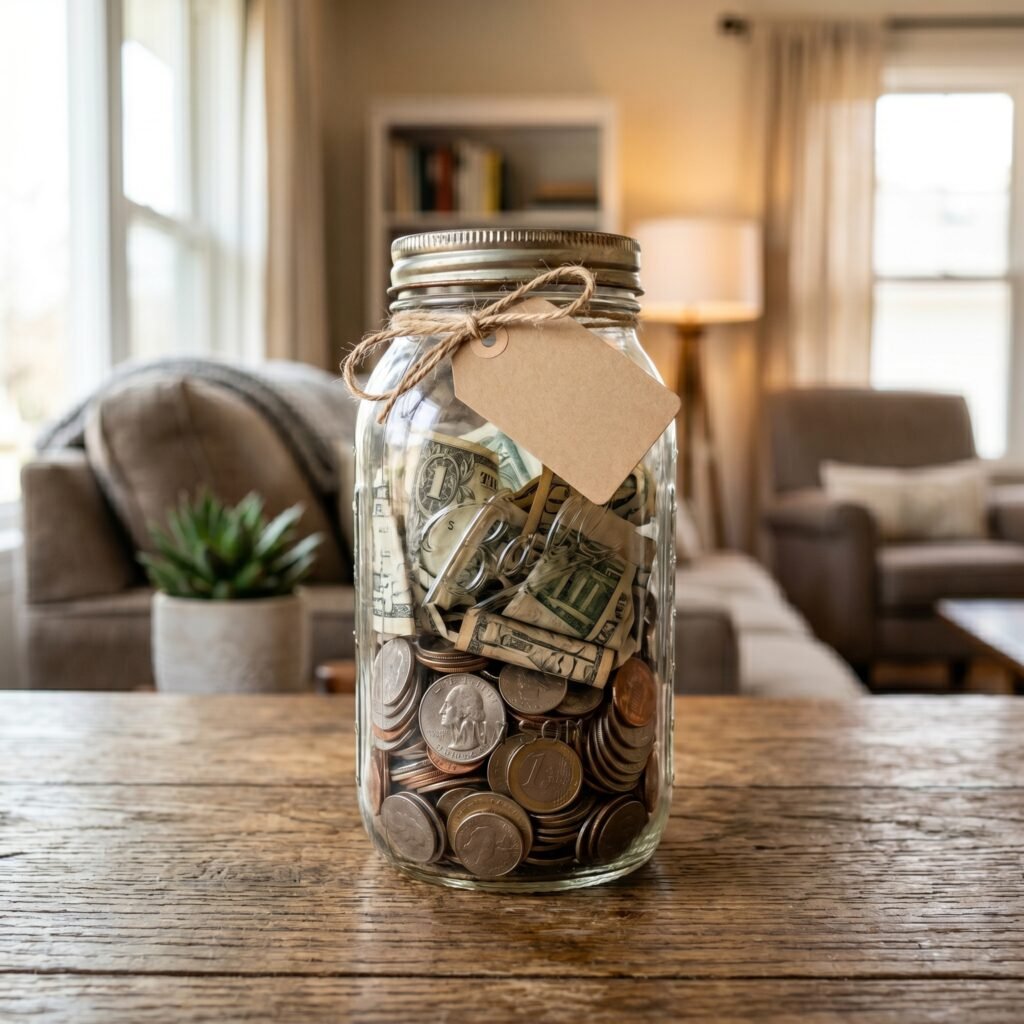
Now that you have a clear system for your total income, let us look at the 15 best daily tips to lower your costs and build up your cash fast.
1. Create a Budget and Stick to It
A budget is simply a written plan for your money. It does not stop your fun; it tells your money exactly where to go instead of letting you wonder where it went.
To make a simple budget, write down your total monthly income. Next, list your fixed bills (like rent) and your variable bills (like groceries). Finally, subtract your expenses from your income until every dollar has a specific job. Review this plan before the month begins so you are never surprised by your spending.
Simple Budget Example (Based on a $4,000 monthly income):
+--------------------------+------------+------------+
| Category                 | Percentage | Amount ($) |
+--------------------------+------------+------------+
| Secure (Rent & Bills)    |    55%     |   $2,200   |
| Stack (Savings & Growth) |    20%     |     $800   |
| Spend (Fun & Lifestyle)  |    25%     |   $1,000   |
+--------------------------+------------+------------+
2. Track Every Dollar You Spend
Most people lose track of their money because of small, daily purchases. A five-dollar coffee here and a twelve-dollar lunch there can add up to hundreds of dollars by the end of the month.
To fix this, keep track of every single cent you spend for at least thirty days. You can use a free budgeting app on your phone, a simple computer spreadsheet, or a small notebook that you carry with you. When you see exactly where your money goes, it becomes very easy to spot bad spending habits and stop them.
3. Cut Unnecessary Subscriptions

It is incredibly easy to sign up for a free trial and forget to cancel it. Millions of households pay for streaming services, music apps, gym memberships, and shopping programs that they rarely use.
Go through your bank statements from the last three months and highlight every recurring subscription. If you have not used a service in the past thirty days, cancel it immediately. If you miss it later, you can always sign up again. For services you want to keep, check if you can share a family plan with relatives to cut the monthly cost in half.
Common Monthly Subscriptions to Review:
* Video Streaming (Netflix, Hulu, Disney+)
* Music Apps (Spotify, Apple Music)
* Premium Delivery Services
* Gym or Fitness Memberships
* Online Gaming Subscriptions
4. Cook More Meals at Home
Eating out at restaurants or ordering food through delivery apps is one of the fastest ways to empty your bank account. A single restaurant meal can easily cost three to four times more than a fresh meal cooked at home.
You do not need to be a professional chef to cook at home. Stick to simple, easy meals like baked chicken, rice, pasta, and fresh vegetables. Cooking your own food not only saves a massive amount of cash every week, but it is also much healthier for your body.
5. Use a Grocery Shopping List

supermarkets are designed to make you spend money. They put expensive items at eye level and place tempting snacks near the checkout registers to make you buy things on impulse.
Before you go to the store, look through your kitchen cupboards and fridge. Write down a strict list of the exact ingredients you need for your meals for the week. When you walk into the store, focus only on the items on your paper. If an item is not on your list, do not put it in your shopping cart.
6. Buy Generic Store Brands
When you buy name-brand products, you are often paying extra money just for the fancy logo and marketing campaigns. Most grocery stores offer their own generic store brands for a much lower price.
The next time you shop, look for the store-brand versions of:
- Basic pantry staples (flour, sugar, salt, oats)
- Canned beans and vegetables
- Cleaning products and paper towels
- Over-the-counter medicines
In almost every case, the ingredients in generic products are exactly the same as the name brands, but they cost 20% to 30% less.
7. Reduce Your Home Energy Consumption
Your monthly utility bills can take a huge bite out of your budget, but you can control how much energy your home uses with a few smart changes.
Start with these easy steps:
- Swap your old lightbulbs for energy-saving LED bulbs.
- Turn off all lights and fans when you leave a room.
- Unplug large electronics like TVs, computers, and kitchen appliances when you go out, as they draw electricity even when turned off.
- Adjust your home temperature settings. Lowering your heat or raising your air conditioning by just a couple of degrees can save you a surprising amount of money on your monthly energy bill.
8. Avoid Impulse Purchases with the 24-Hour Rule
Impulse buying happens when you see something online or in a store and buy it instantly because it makes you feel good in that exact moment. This behavior can quickly ruin your financial goals.
To beat impulse spending, use the 24-hour rule. When you find a non-essential item you want to buy, force yourself to wait 24 hours before spending the money. During this time, walk away from the store or close the online shopping browser. Very often, after a full day has passed, the excitement will wear off and you will realize you do not actually need or even want the item.
The 24-Hour Rule Flow:
[See an item you want] ---> [Wait 24 Hours] ---> [Do I still need it?]
                                                      |
                         +----------------------------+----------------------------+
                         |                                                         |
                     [YES]                                                      [NO]
                         |                                                         |
         [Buy it if it fits the budget]                             [Save your money!]
9. Use Cash for Your Fun Spending

It is far too easy to overspend when you swipe a plastic credit card or use your phone to pay. You do not feel the physical loss of your money.
To keep your personal spending under control, take out a set amount of physical cash at the start of the week for your fun activities, like drinks with friends or weekend shopping. Put the cash in your wallet and leave your cards at home. When you see the paper cash disappear from your hands, your brain understands the reality of spending. Once your wallet is empty, your spending stops for the week.
10. Compare Prices and Hunt for Deals Before You Buy
Never buy an item from the very first store you visit without checking other options first. Retailers charge wildly different prices for the exact same products.
Before making a purchase, spend five minutes doing a quick search online to see if another store has a better price. Look for online coupon codes, install free browser extensions that find discounts automatically, or check for cash-back offers. Waiting for seasonal holiday sales can also save you a lot of money on big-ticket items like electronics or home furniture.
11. Pay Off High-Interest Debt First
If you carry a balance on your credit cards, you are losing money every month to high interest rates. This interest acts like a leak in your financial bucket, making it very hard to build real savings.
Make a list of all your debts and order them from the highest interest rate to the lowest. Put all your extra cash toward paying off the card with the highest interest rate first, while making minimum payments on the rest. Once that top card is paid off, move all your extra cash to the next one on the list. Getting rid of debt stops the interest fees and frees up your money for savings.
Debt Snowball vs. Debt Avalanche Strategy:
+----------------+-------------------------------------------------------------+
| Method         | How It Works                                                |
+----------------+-------------------------------------------------------------+
| Debt Avalanche | Pay off highest interest rate first (Saves the most money)  |
| Debt Snowball  | Pay off smallest balance first (Builds momentum fast)       |
+----------------+-------------------------------------------------------------+
12. Automate Your Savings
The absolute easiest way to save money is to take your own willpower completely out of the equation. Do not give yourself the chance to spend your savings.
Log into your online banking account and set up an automatic transfer. Arrange for a specific amount of money to move from your checking account into your savings account automatically on the exact day you get paid. This ensures that you always pay your future self first. If you never see the money sitting in your everyday checking account, you will never tempt yourself to spend it.
13. Sell Unused Items Around Your House

Most people have hundreds of dollars worth of items sitting in closets, garages, and drawers doing nothing but collecting dust. You can turn those unwanted items into fast cash.
Pick a weekend to go through your home and look for:
- Old smartphones, video games, and electronics
- Clothes and shoes you have not worn in the last year
- Extra furniture, mirrors, or home decorations
- Sports gear and exercise equipment
Take clear pictures of your items and list them for sale on online marketplaces or local neighborhood apps. The quick cash you make can go straight into your savings account to jump-start your goals.
14. Take Advantage of Cash-Back and Rewards Programs
If you are already planning to spend money on everyday items like groceries and gas, you should get some of that money back.
Sign up for free cash-back apps that give you money back when you scan your store receipts. If you are responsible with your finances and pay off your bills in full every month, use a rewards credit card that gives you points or cash back on your regular purchases. Just remember: never spend extra money just to earn points, as that completely defeats the purpose of saving.
15. Set Specific and Exciting Savings Goals
It is very hard to stay motivated when you are just saving for a rainy day without a real purpose. You need a clear, exciting target to keep your eyes on the prize.
Instead of saying, “I want to save money,” give your goals specific names and exact numbers. For example, instead of a general savings bucket, name your accounts:
- “3-Month Emergency Security Fund: $5,000”
- “Relaxing Mexico Vacation 2027: $2,500”
- “Debt-Free Freedom Fund: $4,000”
The more specific your goals are, the easier it is to picture your success, and the less likely you will be to waste cash on silly daily items.
Where to Keep Your Savings to Grow Your Wealth

Once you start saving cash fast using these fifteen tips, you need to know the right place to store your money.
Most people make the mistake of leaving their hard-earned savings in a traditional checking account or a standard bank savings account. The problem is that traditional banks pay almost zero interest—often around 0.01%. This means if you leave your money there, it actually loses value over time because the cost of living goes up faster than your money grows.
Growth Comparison over 1 Year on $10,000 Savings:
+---------------------------------------+----------------------+
| Bank Account Type                     | Interest Earned ($)  |
+---------------------------------------+----------------------+
| Traditional Bank Account (0.01%)       | $1.00                |
| High-Yield Savings Account (HYSA) (4%)| $400.00              |
+---------------------------------------+----------------------+
Instead, you should keep your short-term savings and your emergency fund in a High-Yield Savings Account (HYSA).
Why Use a High-Yield Savings Account?
- High Interest Rates: These accounts are offered by reputable banks and pay significantly higher interest rates than traditional banks, often between 3.5% and 5%.
- Free Extra Money: If you keep $10,000 in a traditional bank, you might earn just one dollar in interest after a full year. If you keep that same $10,000 in a High-Yield Savings Account paying 4%, the bank will give you $400 a year completely free, just for keeping your money there.
- Safety and Access: High-Yield Savings Accounts are completely safe and insured by the government. You can transfer your cash back to your regular bank account whenever you need it, making it the perfect home for your emergency fund.
Once your short-term savings goals are fully met and you have three to six months of living expenses saved for emergencies, you can start moving your extra cash into long-term investments like index funds or retirement accounts to build true, lasting wealth.
Why Saving Money Fast Matters
Building up a healthy savings account is about much more than just numbers on a screen. It changes how you experience your daily life.
- Less Daily Stress: Financial problems are one of the biggest causes of stress and worry. Knowing you have cash in the bank lets you sleep peacefully at night.
- Emergency Preparedness: When your car breaks down or you face an unexpected medical bill, it is no longer a scary emergency. It is simply a minor inconvenience because you have the cash ready to fix it.
- Freedom and Choices: Having savings gives you options. It means you can leave a job you do not like, start your own dream business, or move to a nicer neighborhood without fear.
Internal Linking Suggestions
To keep readers engaged and improve your site’s SEO structure, consider adding internal links to these sections:
- In the Debt Management section, link to an in-depth guide: “How to Use the Debt Avalanche Method to Beat Credit Card Debt.”
- In the Savings Accounts section, link to a review article: “Top High-Yield Savings Accounts to Safely Grow Your Cash This Year.”
- In the Budgeting section, link to a tools template page: “Download Our Free Monthly Freedom Budget Spreadsheet Tracker.”

Frequently Asked Questions
What is the fastest way to save money?
The fastest way to save money is to automate your savings so you do not spend the cash, cut out your unused monthly subscriptions, stop eating out at restaurants, and use a strict grocery list to avoid buying items on impulse.
How much money should I save every month?
A great general rule to follow is the 50/30/20 budget framework, which suggests saving at least 20% of your take-home pay each month. However, if that feels too high right now, start with a smaller goal like 5% and slowly increase the amount as you lower your bills.
Can I save money if I have a low income?
Yes, it is entirely possible. While it is certainly harder, focusing on a strict budget, buying generic store brands, and eliminating all forms of wasteful spending can help you build savings. You can also focus on using your free time to learn new skills to increase your total income.
Should I save cash or pay off my debts first?
It is best to do a little bit of both. First, save a small emergency fund of $1,000 to $2,000 so you do not have to use a credit card if something breaks. Once that small safety net is built, put all your extra cash toward paying off your high-interest debts while making minimum payments on the rest.
Are high-yield savings accounts completely safe?
Yes. As long as you open your account with a bank that is fully insured by the government (look for FDIC insurance in the US), your money is 100% safe up to $250,000.
Final Thoughts
Saving money fast does not mean you have to make crazy sacrifices, live a boring life, or use complicated financial formulas. The real secret is simply making intentional, smart choices with your cash and setting up a system that does the heavy lifting for you.
Start small by picking just two or three simple tips from this list to implement today. Once those feel natural, come back and add a few more. As you watch your bank account grow, your confidence will soar, and you will build the strong, secure financial future you deserve. Every single dollar you choose to save today is a step closer to your personal freedom tomorrow.