



The word grandmother always tasted like cinnamon and lake salt to me.
Nana Maggie wasn’t just a relative; she was the architect of my safety. While my parents, Elena and Richard, were busy chasing “status” and corporate promotions, Nana was teaching me how to listen to the wind over Lake Tahoe. She taught me that some things in this world are not for sale.
I stood in the sterile silence of a Chicago hotel room, the glow of my phone burning into my retinas. Two messages sat there, mocking the twenty-eight years of life I had spent trying to earn my parents’ love.
“Thanks for making our dream come true,” my mother had texted.
Followed by a photo: My father, Richard, grinning like a lottery winner in front of a Departures gate, three suitcases stacked high. They were finally taking the “Grand World Tour” they had talked about since I was ten.
The only problem? They had funded it by stealing the one thing my grandmother told me to protect at all costs.
A Legacy Built on Pine and Promises
The Scent of 1998
My earliest memory isn’t of my own home in the suburbs. It’s of the lakehouse.
I remember the way the floorboards felt under my bare feet—cool in the morning, holding the sun’s warmth by dusk. Nana Maggie would sit on the porch, her silver hair catching the light, peeling apples in one long, continuous spiral.
“This place is an anchor, Maya,” she’d whisper, her voice like sandpaper and honey. “When the world gets too loud, you come back to the water. The water doesn’t lie.”
My parents didn’t understand the water. To them, the lakehouse was a “liability” or “wasted equity.” They visited once a year, complaining about the lack of high-speed internet and the “rustic” smell of old cedar.
The Slow Fade
As Nana grew older, the visits from Elena and Richard grew shorter. They’d call her to ask for “temporary loans” to cover country club fees or new Audis. Nana would always sigh, write the check, and then look at me with a sadness that broke my heart.
“They have holes in their souls, Maya,” she told me during her final winter. “They try to fill them with things. But things don’t love you back.”
When she passed away last November, the funeral was a study in contrasts. I sat in the front row, clutching a handkerchief she had embroidered, my chest feeling like it had been hollowed out with an ice cream scoop.
Elena, my mother, spent the service checking her gold watch. Richard was outside on the steps of the funeral home, taking a “crucial” business call. They didn’t cry. They didn’t even stay for the wake. They were already eyeing the real estate market.
The Day the Anchor Was Cut
The Inheritance
The will was a bombshell for them. Nana Maggie left the $450,000 lakehouse—lock, stock, and barrel—to me.
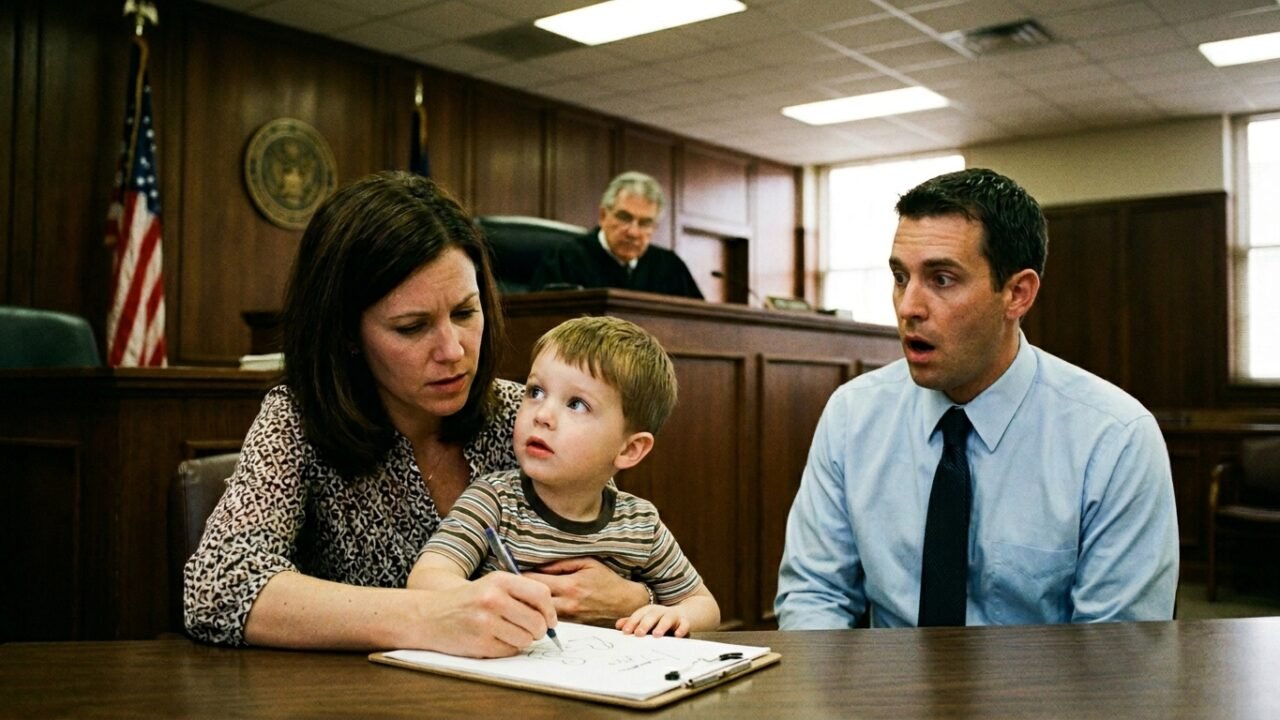
The screaming match in the lawyer’s office lasted two hours. “She wasn’t in her right mind!” Elena had shrieked, her face turning a blotchy purple. “We are her children! We are the ones with the debt!”
But the lawyer was firm. Nana had been sharp as a tack until her final breath. She had placed the house in a specific family trust, naming me as the sole trustee. I had the power. I had the deed. I had the responsibility.
“I’m not selling it, Mom,” I had said, my voice trembling but certain. “Nana wanted it kept in the family. She wanted me to have a home.”
“You’re being selfish,” Richard spat. “We sacrificed everything for you, and you won’t even help us enjoy our retirement?”
The Business Trip
Fast forward to this week. I had to fly to Chicago for a high-stakes marketing conference. I thought the house was safe. I had smart locks, a security system, and the watchful eye of Luis, the neighbor who had looked after Nana for twenty years.
But greed is a master locksmith.
Standing in that hotel room, I looked at the property monitoring alert. DOCUMENT RECORDED: GRANT DEED.
My stomach did a slow, nauseating flip. I opened the digital attachment. My parents hadn’t just listed the house; they had found a “cash-fast” buyer—a developer who didn’t care about history, only about the shoreline.
They had forged my signature. They had used an old Power of Attorney from when I was in college, one that had been revoked years ago, but they had doctored the dates. They had sold my soul for a first-class ticket to Paris.
The Shadow in the Floorboards
The Phone Call from the Terminal
I hit “dial” on my mother’s number. She answered on the third ring, her voice chirpy, surrounded by the ambient roar of an international terminal.
“Maya! Did you get our gift? We’re at JFK! We’re headed to London, then Rome, then—”
“You sold the house,” I said, my voice a dead, flat line.
The silence on the other end was heavy. Then, the chirpiness vanished, replaced by a cold, defensive steel.
“We did what was necessary, Maya,” Elena said. “That house was rotting. We’re your parents. We deserve this. Besides, the paperwork is done. The money is in an offshore escrow. You can’t stop it now.”
“You forged my name, Mom. That’s a felony.”
“Oh, don’t be so dramatic,” she scoffed. “No judge is going to throw a mother in jail for selling a vacation home. We’ll talk when we’re in Tuscany. Ciao, darling.”
Click.
The Overlooked Detail
I sank onto the hotel bed, my head in my hands. My heart was hammering against my ribs. Then, my laptop chimed. An email from the title company: URGENT: Verification required for trustee signature.
The “cash buyer” was moving so fast they had missed a step. My parents had signed the deed as my “agents,” but they hadn’t realized Nana had updated the Trust Certificate three days before she died.
She had added a “Legacy Clause.”
But there was something else. A note in the title report mentioned a “recorded encumbrance” found during the deep title search—something my parents hadn’t seen because they had used a cut-rate, “no-questions-asked” notary.
I remembered Nana’s voice: Protect it at all costs.
I realized then that she hadn’t just left me a house. She had left me a trap for the wolves.
The Letter in the Storm
Returning to the Silence
I cancelled my conference, booked the first flight back to Reno, and drove through a blinding snowstorm to reach the lake.
When I arrived, the “Sold” sign was already hammered into the frozen ground. I ripped it out and threw it into the pines.
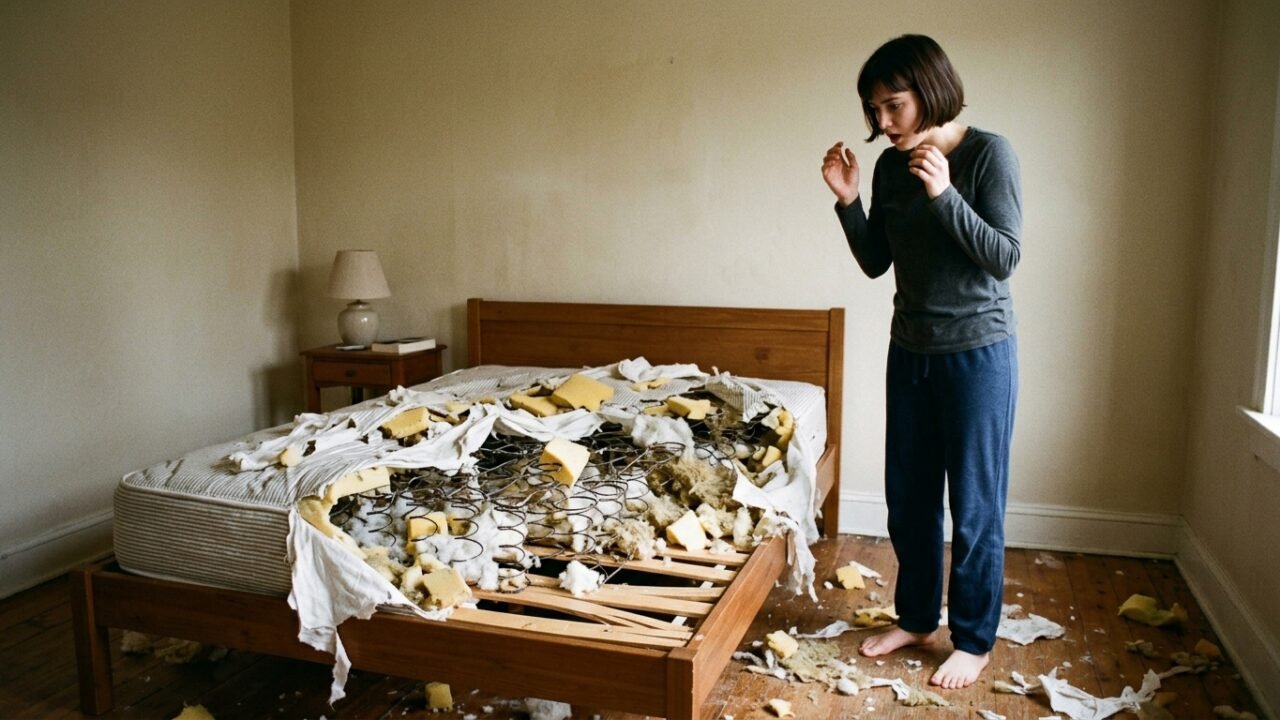
I entered the house. It felt cold. Violated. I walked to Nana’s bedroom, to the loose floorboard under her vanity—the place where we used to hide “treasure” when I was a girl.
Inside was a weathered copper box. And inside that box was a letter, thick and smelling of lavender, addressed to me. But there was a second envelope, too. This one was addressed to The District Attorney.
The Secret History
I sat on the floor and read.
“My Dearest Maya,” the letter began. “If you are reading this, it means your parents have finally done what I feared they would. They have always seen people as accounts to be drained.”
My breath hitched.
“There is something they don’t know. Something they’ve spent thirty years hiding. They didn’t just ‘lose’ your college fund in the market crash of 2008, Maya. They embezzled it from your grandfather’s estate before he passed. I found the records. I kept them.”
The room seemed to tilt. My parents had told me for years that we were “struggling,” making me feel guilty for every pair of shoes I needed, while they had secretly siphoned off my future.
“But that isn’t the secret that protects the house,” the letter continued. “The lakehouse is built on a land grant that contains a ‘Reversionary Interest.’ Because of a legal filing I made forty years ago, this property cannot be sold to anyone outside the bloodline without the unanimous consent of all living heirs—OR the presentation of the enclosed document.”
I pulled out a yellowed piece of paper. It was a confession, signed by my father decades ago, admitting to a series of financial crimes he’d committed at his first firm. Nana had held it over him to keep him away from the house.
She had given me the weapon. But she had also given me a choice.
The Anchor Holds
The Final Confrontation
I didn’t call the police. Not yet.
I waited. Three days later, my parents returned. They hadn’t even made it to London. The title company had frozen the escrow funds the moment I flagged the “Legacy Clause.” Their credit cards—maxed out in anticipation of the windfall—had been declined at a luxury hotel in Heathrow.
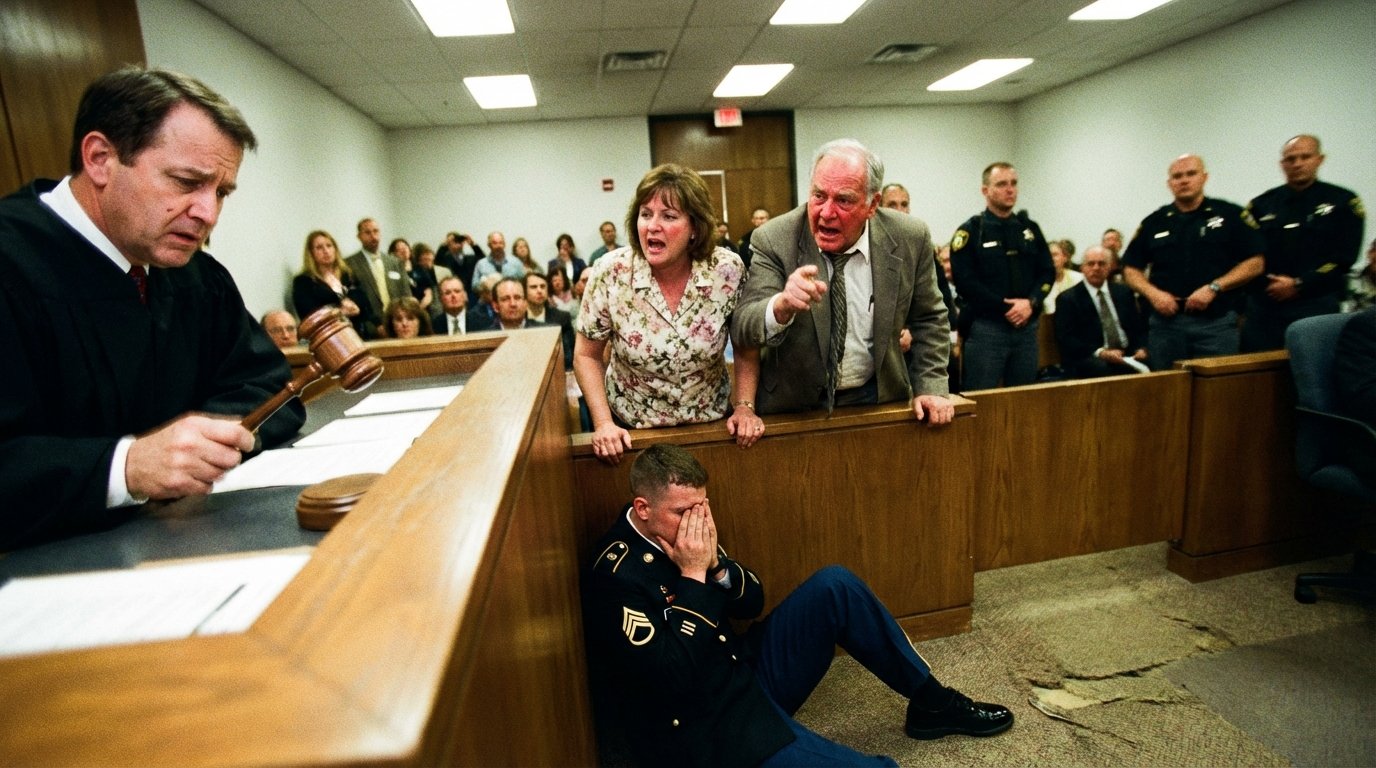
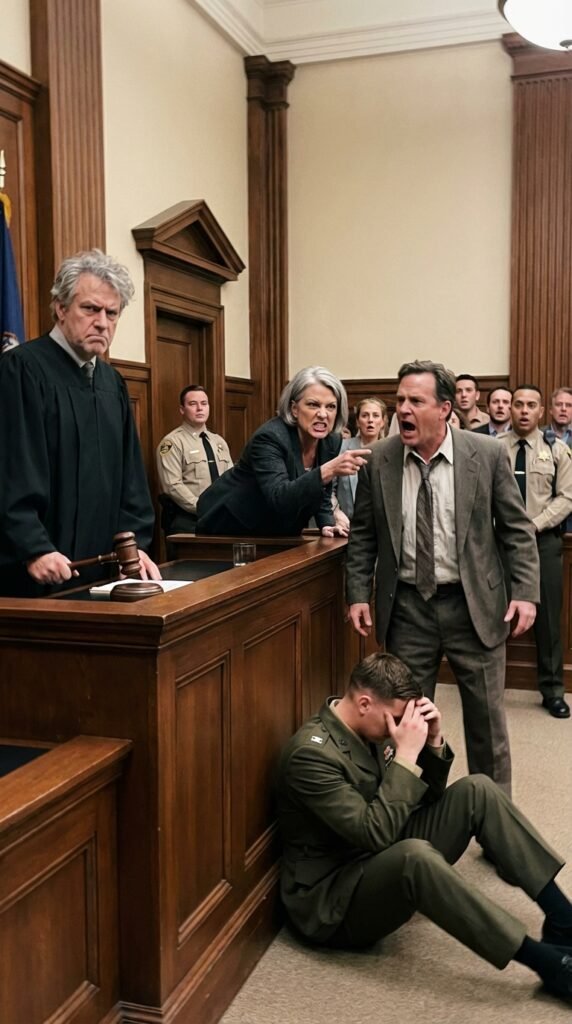
They burst into the lakehouse, snow swirling behind them, looking haggard and furious.
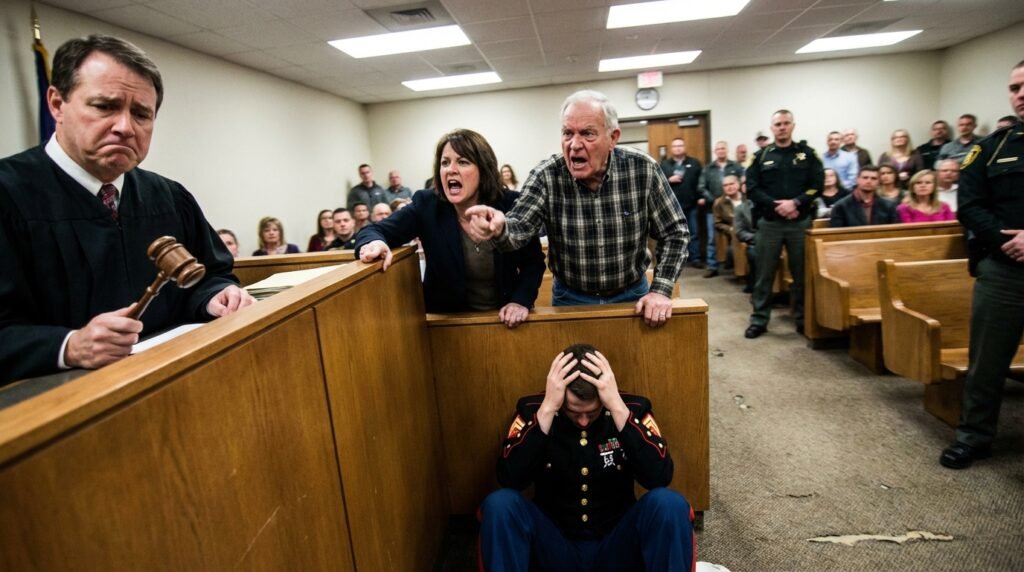
“You!” Richard shouted, pointing a finger at me. “You blocked the transfer! Do you have any idea the embarrassment you’ve caused us?”
“Sit down,” I said. My voice was quiet. It was the quiet of the lake before a storm.
“We are your parents!” Elena wailed. “We have a right to that money!”
I laid the copper box on the coffee table. I laid the confession and the records of my stolen college fund next to it.
The blood drained from Richard’s face. He looked at the paper, then at me, then at the floor. He knew exactly what it was.
“Nana loved you,” I said, my voice cracking. “She would have given you anything if you had just shown her a shred of real affection. But you treated her like an ATM. And you treated me like an obstacle.”
The Terms of Peace
“Here is what is going to happen,” I said, standing tall.
“You will sign a voluntary rescission of the deed. You will sign a quitclaim deed, forever waiving any future interest in this property or any other part of Nana’s estate. And you will move out of your house in the city, sell it, and pay back every cent of the fund you stole from me.”
“We’ll be homeless!” Elena cried.
“You’ll have a small apartment and your pensions,” I replied coldly. “Which is more than you left Nana with emotionally. If you don’t, I walk these papers into the DA’s office. Richard, you’ll be in a cell by Monday.”
Richard looked at the fire in my eyes—the same fire my grandmother had. He signed.
The Water Doesn’t Lie
They left an hour later, their suitcases heavy with the weight of their own greed. They didn’t look back.
I walked out onto the dock. The snow had stopped, and the moon was reflecting off the black, glassy surface of Lake Tahoe. The silence was no longer heavy; it was peaceful.
I felt a phantom hand on my shoulder—a scent of cinnamon and old wood.
The anchor had held. The house was safe. And for the first time in my life, I wasn’t just a daughter or a trustee. I was the keeper of the light.
I sat on the edge of the dock, dangled my boots over the water, and whispered to the wind.
“Thank you, Nana. I’ve got it from here.